

Ask ten moms for the best recommended breast pump, and you'll get ten different answers, each one correct for the mom who gave it. The reason is simple. A pump that's perfect for someone back at the office in month three can be the wrong pump for someone on a plane every other week, and both can be the wrong pump for someone running eight sessions a day at home.
So the honest version of the question is: best recommended for what? That's what this guide answers, walking through the three situations where the recommendation shifts most, which are returning to work, traveling, and exclusive pumping. Along the way, we'll point to the BabyBuddha pump that fits each one, led by our new BabyBuddha 3.0 Primary Portable Breast Pump.
Also Read
- Primary vs Wearable Breast Pumps: How to Choose the Right Pump for You
- Best Breast Pumps of 2026
- How to Get Breast Pumps Covered by Insurance
The Quick Answer
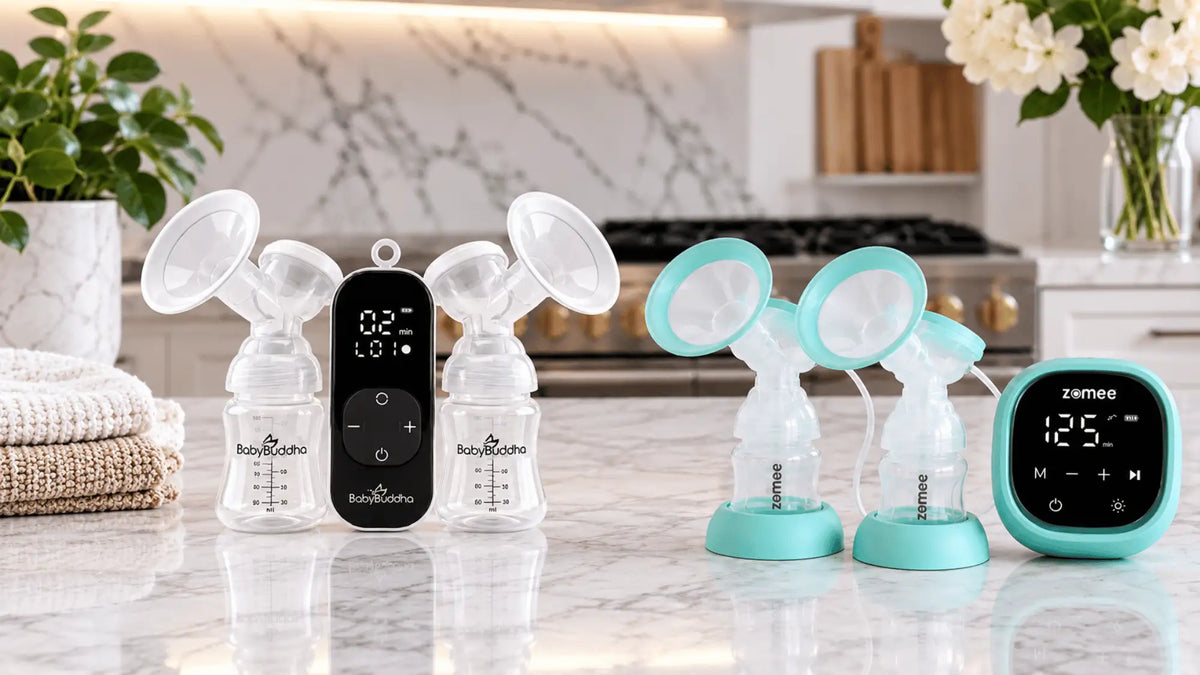
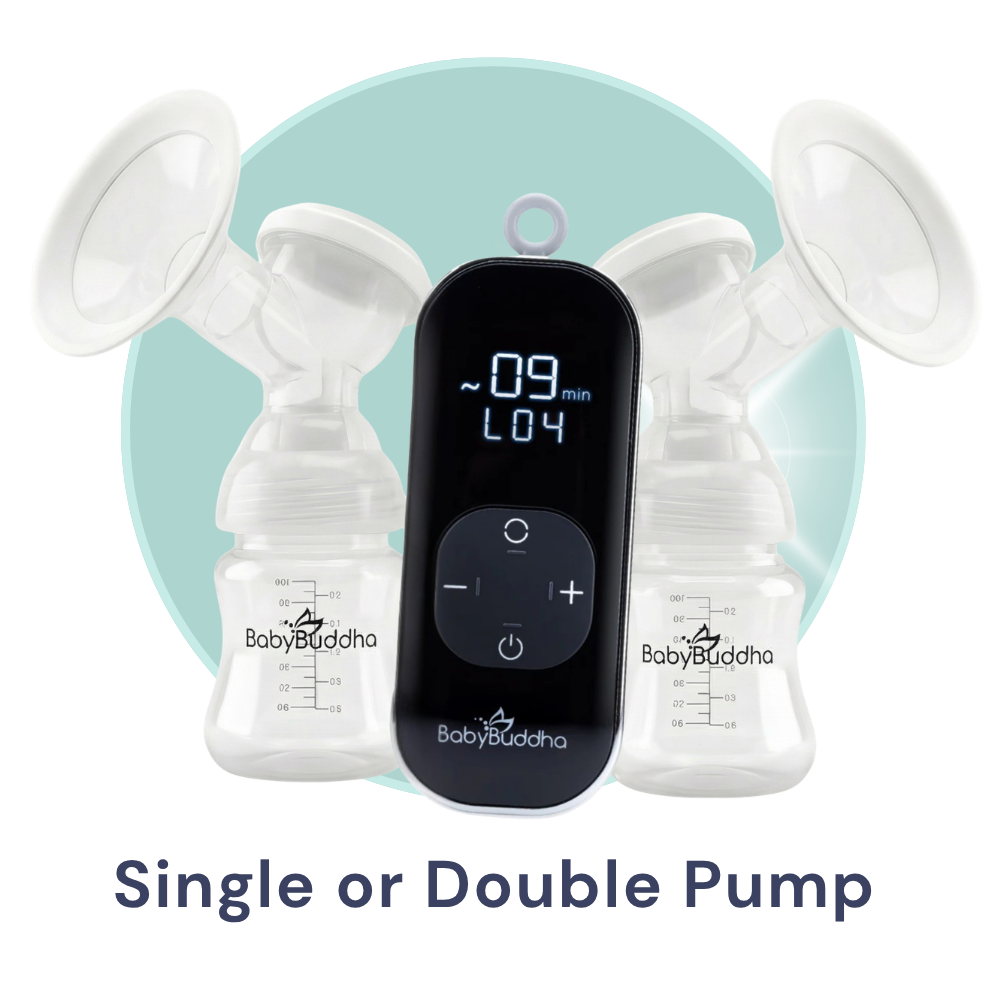
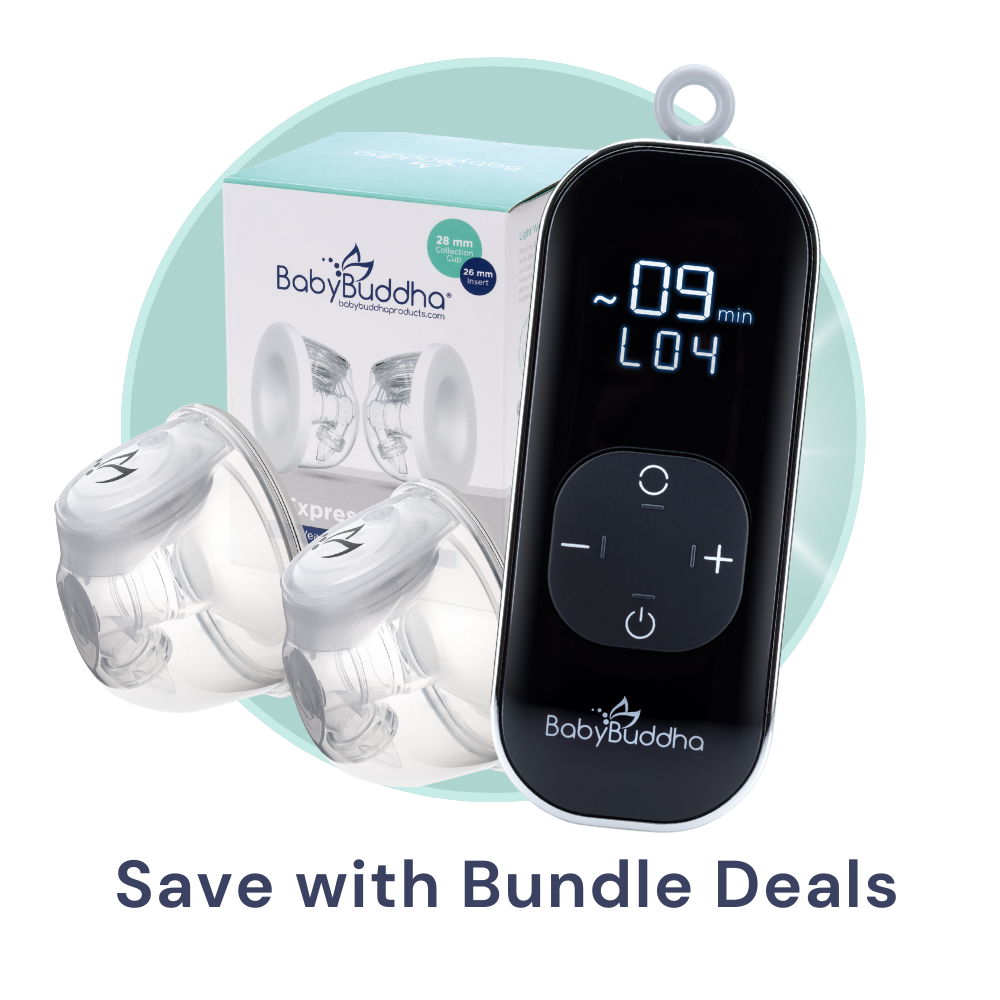
The best recommended breast pump for you comes down to where you'll pump most and how often. For most moms across all three routines, a strong, quiet, portable primary pump anchors the setup. The BabyBuddha 3.0 Primary Portable Breast Pump is our current recommendation, with hospital-strength suction up to 320 mmHg, four pumping modes (including the new Double Drop Expression Mode), 30 comfort settings, and the EasyFit Flange Kit in the box.
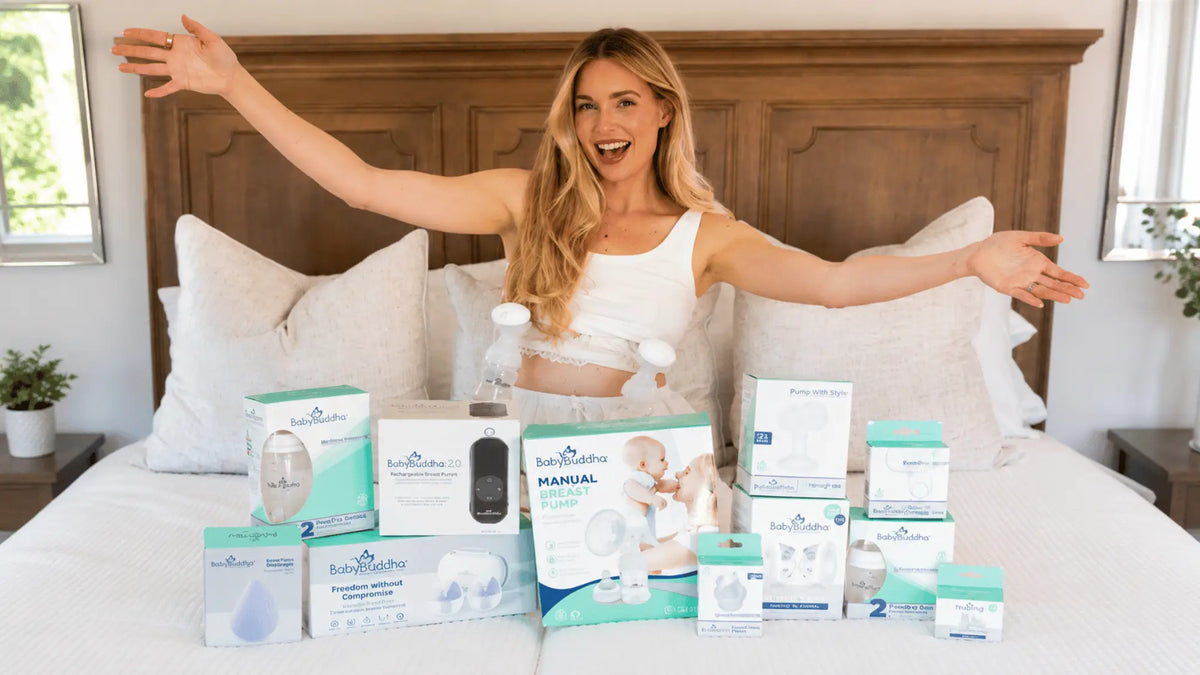
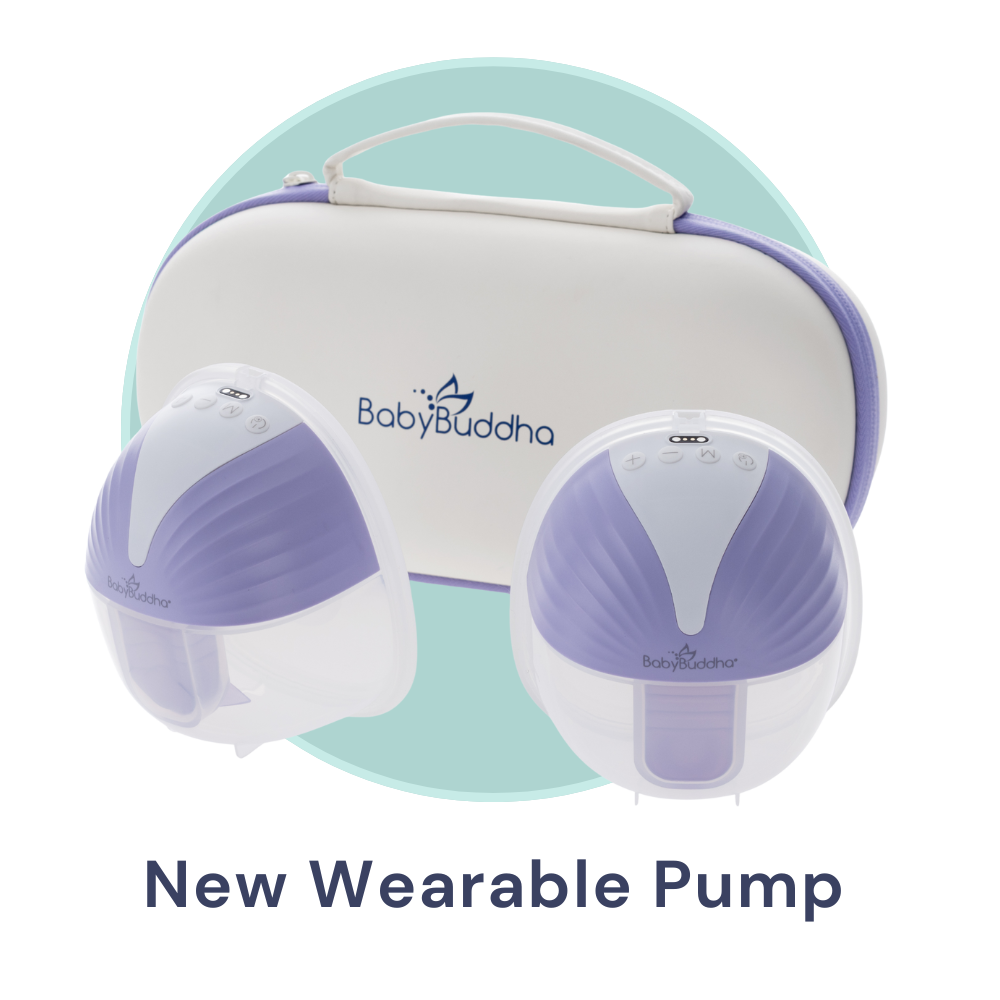
For hands-free sessions during work, errands, or travel days, the BabyBuddha Wearable Breast Pump is the natural companion, and the BabyBuddha Manual Breast Pump handles backup, sensitive days, and quick relief. Fit and comfort shape your output more than any spec-sheet number, which is why the 3.0 ships with a full sizing kit and a range that covers most moms out of the box.
Key Points
- There's no single best pump, only the best pump for your routine. A working mom, a traveling mom, and an exclusively pumping mom need different things.
- A strong portable primary pump anchors most setups. It handles most sessions and, paired with collection cups, goes hands-free when you need it.
- The BabyBuddha 3.0 Primary Portable Breast Pump leads across all three routines, with hospital-strength suction up to 320 mmHg, four modes, and 30 comfort settings.
- The new Double Drop Expression Mode adds a fourth rhythm. It cycles faster than Classic Expression at the same suction strength, giving you a middle option between stimulation and expression.
- The BabyBuddha Wearable Breast Pump is the companion for hands-free days, built for work, errands, travel, and nighttime sessions with 6oz+ cups and in-cup LED lights.
- The BabyBuddha Manual Breast Pump earns a spot in the travel bag for backup, quick relief, and sensitive days when a battery is the last thing you want to think about.
- Comfort, mode variety, and flange fit move your output more than peak suction does, which is why every 3.0 ships with the EasyFit Flange Kit for sizing on day one.
- Federal law protects your pumping time and space at work. The PUMP Act requires reasonable break time and a private, non-bathroom space for one year after birth.
- The TSA lets breast milk, formula, and pumps through security in reasonable quantities, and they don't have to fit the 3-1-1 liquids rule.
What Counts as "Best Recommended"
Part of what makes this question so slippery is that recommendations come from several different places, and each source is optimizing for something different. Knowing who's recommending, and why, tells you how much weight to give the advice.
Lactation consultants (IBCLCs) recommend based on your situation, weighing your supply, your baby's latch, your return-to-work plan, and your comfort. That's the most personalized recommendation you can get, and it's worth seeking out. Other moms recommend based on what worked for them, which is invaluable for hearing how a pump behaves in real life, though their situation may not match yours.
Insurance providers recommend based on what's covered, which is where many moms start, since most U.S. plans are required to cover a breast pump. Hospitals and healthcare providers recommend based on medical need, often pointing to multi-user rental pumps for NICU or supply-building situations. Publications and review sites recommend based on aggregated testing, which helps you compare formats but rarely matches the specificity of a consultant who knows your body.
The BabyBuddha 3.0 is IBCLC-recommended, and every BabyBuddha customer can reach our lactation consultant support team throughout their pumping journey. That combination of a pump lactation pros stand behind plus a person to call when a session isn't going right is often what turns a good recommendation into the right one.

The Three Routines That Change the Recommendation Most
Most of the disagreement about the "best" pump comes down to routine. Three routines shift the recommendation more than anything else, and each one rewards a different strength.
Returning to work is a portability, quiet, and quick-setup problem. You need a pump that goes with you, runs discreetly in a shared space, and gets you in and out of a session on a break. Traveling is a battery, backup, and packability problem. You need a pump that lasts between outlets, handles a security line, and has a plan B for the day something goes missing. Exclusive pumping is a comfort, mode-variety, and durability problem. You run more sessions than anyone else, so anything that makes a single session more comfortable or a single part more reliable compounds across your week.
Most moms fit more than one of these at once, which is exactly why one strong primary pump plus a hands-free companion covers so many households.
Best Recommended for Returning to Work
The first question going back to work is portability, because a stationary pump that ties you to an outlet turns every session into a scheduling puzzle. Noise comes next, and it matters more than most moms expect. You're pumping in a shared building, sometimes between meetings or on a call, so a quiet motor isn't a luxury.
Session time is fixed, so mode design earns its keep. A pump with a fast stimulation phase to trigger let-down and more than one expression rhythm to move milk fits into a 20-minute break far better than one with fewer choices. Battery life sets the floor: look for a pump that runs multiple sessions on a single charge and recharges over USB, so any laptop or phone brick will do.
Your right to pump at work is protected. The U.S. Department of Labor requires most employers to provide reasonable break time and a private, non-bathroom space for one year after birth under the PUMP Act. That's the legal floor your schedule gets to stand on.
The BabyBuddha 3.0 fits the working-mom case well. It delivers hospital-strength suction up to 320 mmHg, runs four modes with 30 comfort settings, recharges over USB, and slips into a bag or hangs from the included lanyard for a hands-free setup. For the days a session has to happen while you keep working, pair it with our Hands-Free Collection Cups, which use the same 3.0 motor for in-bra collection with 8oz capacity per cup. And for fully in-bra pumping at work, the BabyBuddha Wearable Breast Pump was built for exactly that, with 6oz+ cups, 30 comfort settings, four modes, and ultra-quiet operation.
Best Recommended for Travel
On a travel day, battery life is the top constraint. You can't count on an outlet at your gate, in your rideshare, or between connections, so a pump that clears several sessions on a full charge is the difference between comfort and improvising. Weight and packability come next: a pump that lives in your carry-on and comes out at the gate travels better than one that needs a dedicated bag.
Backup planning is what separates a good travel setup from a great one. A manual pump takes almost no space, needs no power, and covers you on the day your primary runs out of charge or a part gets left in a hotel room. And the security line is friendlier than most moms expect. The Transportation Security Administration allows breast milk, formula, and breast pumps through security in quantities greater than 3.4 ounces, and these don't need to fit inside the quart-sized 3-1-1 bag. Take them out for separate screening and tell the officer at the start of the process. Our guide to pumping while traveling covers hotel fridges, milk transport, and the rest of the logistics.
The BabyBuddha 3.0 is compact and recharges over USB, so any laptop, phone brick, or power bank in your bag becomes a charger. Its size and hands-free lanyard setup also let you pump in tighter spaces than a stationary pump allows. The BabyBuddha Wearable Breast Pump is the strong companion here, letting you pump on a flight or in a rideshare without pulling out tubes and bottles, and the BabyBuddha Manual Breast Pump earns the backup slot for travel, sensitive days, and quick pressure relief without needing power. One last packing note: the most common travel-day failure isn't the pump; it's a missing duckbill valve or diaphragm, so tuck a few spare replacement parts and a small wet bag into your carry-on.
Best Recommended for Exclusive Pumping
Exclusive pumping means more sessions than any other routine, often eight or more a day early on. Anything that makes a single session more comfortable, or a single part more reliable, compounds across your week, which is why the small stuff matters most here.
Mode variety earns its place. Four modes and 30 settings give you room to build sessions you can repeat several times a day without dreading the next one. Comfort makes that consistency possible: the FDA is clear that pumping shouldn't be painful, and the right mode at the right setting, in the right flange size, keeps you at the pump for the sessions that hold your supply where you want it.
Flange fit is the single highest-leverage variable. A 2025 pilot study in the Journal of Human Lactation compared smaller-fit flanges (13 to 19mm) with standard 21 to 24mm sizes and found milk yield per session rose from an average of 138.2 grams to 153.2 grams, while average comfort climbed from 3.3 to 4.5 on a five-point scale where 3 meant "tolerable" and 5 meant "very comfortable." Part durability matters here more than in any other routine, too: duckbill valves and diaphragms wear first, and exclusive pumpers replace them most often, so keep spares on hand.
The BabyBuddha 3.0 is built for this. Four modes with 30 settings, hospital-strength suction up to 320 mmHg, and the EasyFit Flange Kit in the box to help you find your size on day one. Many exclusive pumpers pair it with the Wearable Breast Pump so that one session can happen while another task gets done, and our exclusive pumping tips cover the scheduling side.
What All Three Routines Reward
Underneath the differences, the three routines reward the same handful of things. Get these right, and almost any schedule gets easier.
The first is suction range, not peak suction. Research in Breastfeeding Medicine found the most milk was removed at each mother's own maximum comfortable vacuum, which averaged around 190 mmHg, with yield dropping at lower settings. A wide range matters because it gives you room to find your number, not because you should max it out.
The second is the right flange size, which shapes output more than any single spec, and it's why the 3.0 ships with the EasyFit Flange Kit: two 24mm EasyFit flanges, ten inserts covering 13mm through 21mm, and a nipple-sizing ruler, so the range spans 13mm to 24mm out of the box. Our flange fitting guide walks through the measurement step by step.
The rest reward every routine equally. Two-phase pumping, meaning a fast stimulation phase to trigger let-down and slower expression modes to move milk, is worth having, and the 3.0 gives you both stimulation modes and two expression modes to fine-tune with. Quiet operation makes it work in a bathroom, a hotel room, or a shared house.
USB recharging turns any modern phone or laptop charger into a pump charger, which pays off at work, on the road, and in the middle of the night. And access to a lactation consultant is a real recommendation multiplier, since it's often the difference between troubleshooting a session and getting stuck.

How BabyBuddha Fits All Three Routines
The BabyBuddha 3.0 Primary Portable Breast Pump is the anchor. It's our lead recommendation for a working mom, a traveling mom, and an exclusive pumper, because a strong, comfortable, portable primary pump does most of the work in each of those routines. Its new Double Drop Expression Mode adds a fourth rhythm, cycling faster than Classic Expression at the same suction strength, so you get a middle option between our stimulation and expression rhythms. The full sequence runs Mode 1 Soft Stimulation (6 levels), Mode 2 Classic Expression (9 levels), Mode 3 Double Drop Expression (9 levels), and Mode 4 Classic Stimulation (6 levels), for 30 settings total.
The EasyFit Flange Kit ships in the box with two 24mm EasyFit flanges and a full set of inserts, so you can size down on day one, as research on flange fit suggests. Our Hands-Free Collection Cups turn the 3.0 into a hands-free setup with 8oz capacity per cup and Silicone Cushion Flanges (22mm to 24mm), so you can move between seated and in-bra pumping without switching pumps.
The BabyBuddha Wearable Breast Pump is the natural second pump for hands-free work sessions, errands, travel days, and nighttime feedings, with 6oz+ collection cups, in-cup LED lights, 30 comfort settings, and four modes. And the BabyBuddha Manual Breast Pump is our backup pick for the travel bag, sensitive days, and quick pressure relief when a battery is the last thing you want to think about.
You can compare the full lineup side by side, and since most U.S. insurance plans cover a breast pump, our insurance page walks through the major suppliers we work with, so coverage is usually the first place to start rather than the checkout page.
Conclusion
The best recommended breast pump isn't a title one pump can hold. It's a match between a pump and a routine, and the routine is what should drive the choice. Working moms need portability and quiet. Traveling moms need battery life and backup. Exclusive pumpers need comfort, mode variety, and durable parts. All three benefit from the same underlying things: a wide suction range, the right flange size, quiet operation, and a lactation consultant to call when a session isn't going right.
The BabyBuddha 3.0 Primary Portable Breast Pump leads across all three routines because it delivers on every one of those shared needs, and its new Double Drop Expression Mode gives you a fourth rhythm and more room to find a session that feels right. Pair it with our Wearable Breast Pump for hands-free days and our Manual Breast Pump for backup, and you've got a setup that adapts to whatever your week looks like.
See the BabyBuddha 3.0 Primary Portable Breast Pump, our lead recommendation for work, travel, and exclusive pumping.