

Getting breast pumps covered by insurance should be straightforward. The Affordable Care Act requires most health plans to cover breastfeeding equipment at no cost to you. In practice, the process involves more steps than most new parents expect: verifying your specific coverage, understanding which pumps qualify under your plan, getting a prescription from your provider, choosing an approved supplier, and timing your order correctly.
This guide walks through each step so you end up with the pump you actually want without paying out of pocket. BabyBuddha works with major insurance networks and DME suppliers to simplify the process, but the information here applies regardless of which pump brand you choose.
Summary: Getting Your Breast Pump Through Insurance
The ACA requires most health plans to cover a breast pump as a preventive benefit with no copay, deductible, or coinsurance. Coverage applies to one pump per pregnancy through approved DME suppliers. You will need a prescription from your OB-GYN, your insurance card, and enough lead time to order 30 to 60 days before your due date.
Portable and wearable pumps are covered by many plans, though some require a small upgrade fee. If your claim is denied, it is usually a billing code or classification error that can be resolved through appeal.
Key Points
- ACA mandate: All non-grandfathered health plans must cover a breast pump with zero cost-sharing as a preventive benefit.
- Coverage scope: Employer-sponsored plans, marketplace plans, and most Medicaid plans are included. Less than 10% of employer plans are still grandfathered.
- One pump per pregnancy: Most plans cover one pump per pregnancy. Some allow a new pump for each subsequent pregnancy.
- Prescription required: You will need a prescription or letter of medical necessity from your OB-GYN, midwife, or primary care provider.
- Timing matters: Order 30 to 60 days before your due date for the smoothest processing. Ordering too early may trigger a denial.
- Portable and wearable models are often covered: Many plans cover upgraded pumps fully. Others require an upgrade fee. Check your specific plan.
- DME supplier required: Most plans require ordering through an approved durable medical equipment supplier, not a retail store.
- Denials are usually fixable: Most denials stem from wrong billing codes, plan misclassification, or ordering outside the coverage window.
Skip the Phone Calls
BabyBuddha handles insurance verification and DME processing for you. Check your coverage in minutes by entering your insurance details online.

Why Most Insurance Plans Cover Breast Pumps
Section 2713 of the Affordable Care Act classifies breastfeeding support and equipment as a mandatory preventive service. This means all non-grandfathered health plans must cover the cost of a breast pump with no cost-sharing for the patient: no copay, no deductible, no coinsurance. According to HealthCare.gov, your plan must cover the cost of a breast pump, which may be either a rental unit or a new one you keep.
This coverage applies to employer-sponsored group plans, individual marketplace plans, and most state Medicaid programs. Grandfathered plans, those that existed before 2010 and have not been substantially changed, are the primary exception, but fewer than 10% of employer plans still hold grandfathered status. The National Women's Law Center provides a detailed breakdown of how the ACA breastfeeding benefit applies across different plan types, including guidance for those on Medicaid or TRICARE.
Step 1: Check Your Specific Coverage
Not all plans cover the same pumps in the same way. Start by calling the member services number on the back of your insurance card. Ask these specific questions: "What breast pump brands and models are covered under my preventive benefits?" Ask whether your plan covers manual, standard electric, portable, and wearable pump types, because coverage varies by category within the same plan.
Ask about approved suppliers. Some plans require ordering through a specific DME provider and will deny claims submitted through unapproved channels. Ask about timing: most plans allow ordering 30 to 60 days before your due date, but some have different windows. Document the representative's name, the date of the call, and any reference number. If coverage is denied later, this record is your first line of defense in an appeal.
BabyBuddha offers an insurance eligibility page where you can check coverage by entering your insurance details online. This can save you a phone call and give you a faster answer about which BabyBuddha models your plan covers.
Step 2: Get a Prescription from Your Provider
Most insurance plans require a prescription or letter of medical necessity before they will authorize a breast pump order. The prescription should include your name, a diagnosis code for lactation support, the type of equipment recommended, electric breast pump, and the duration of need. Ask for the prescription during a routine prenatal appointment in your third trimester so you do not need a separate visit.
Some DME suppliers will obtain the prescription on your behalf if you provide your provider's name, phone number, and fax number. This saves you a step and ensures the prescription is formatted correctly for insurance processing. BabyBuddha's DME partners offer this service as part of their standard order process.
Step 3: Choose Your Pump
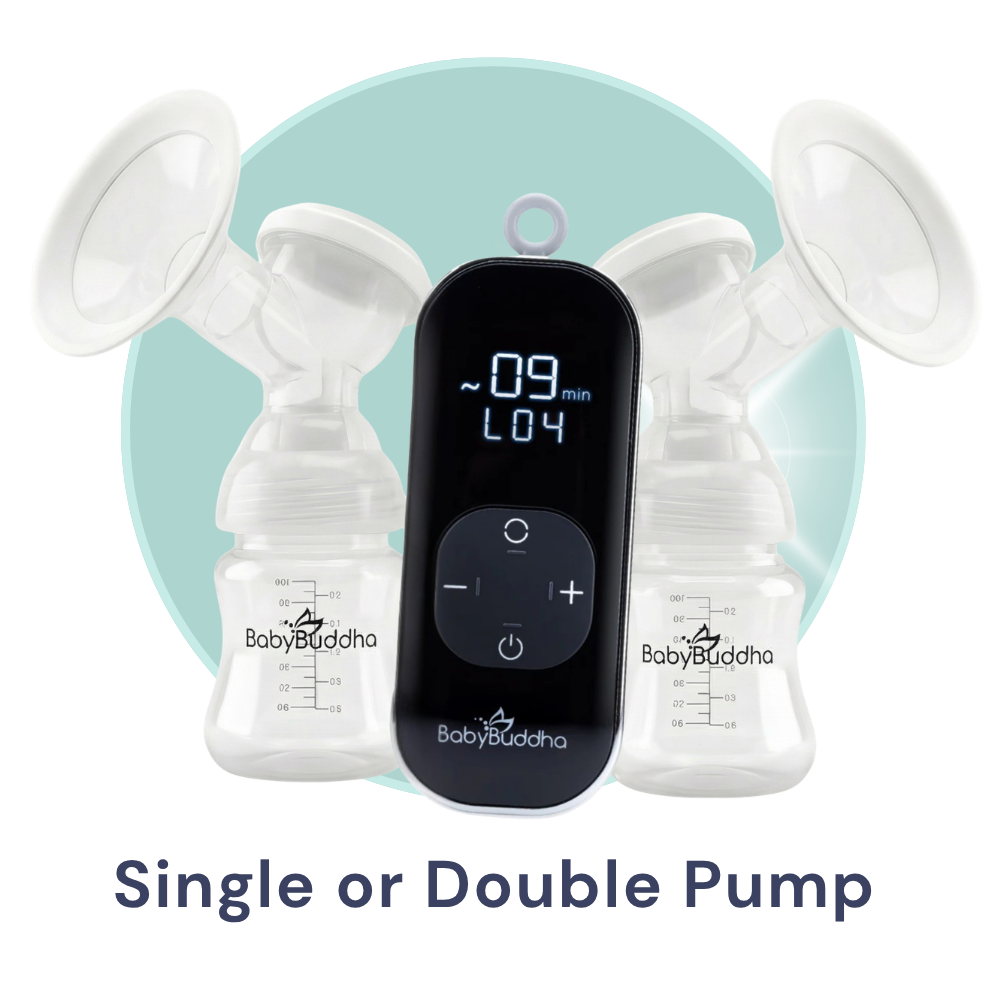
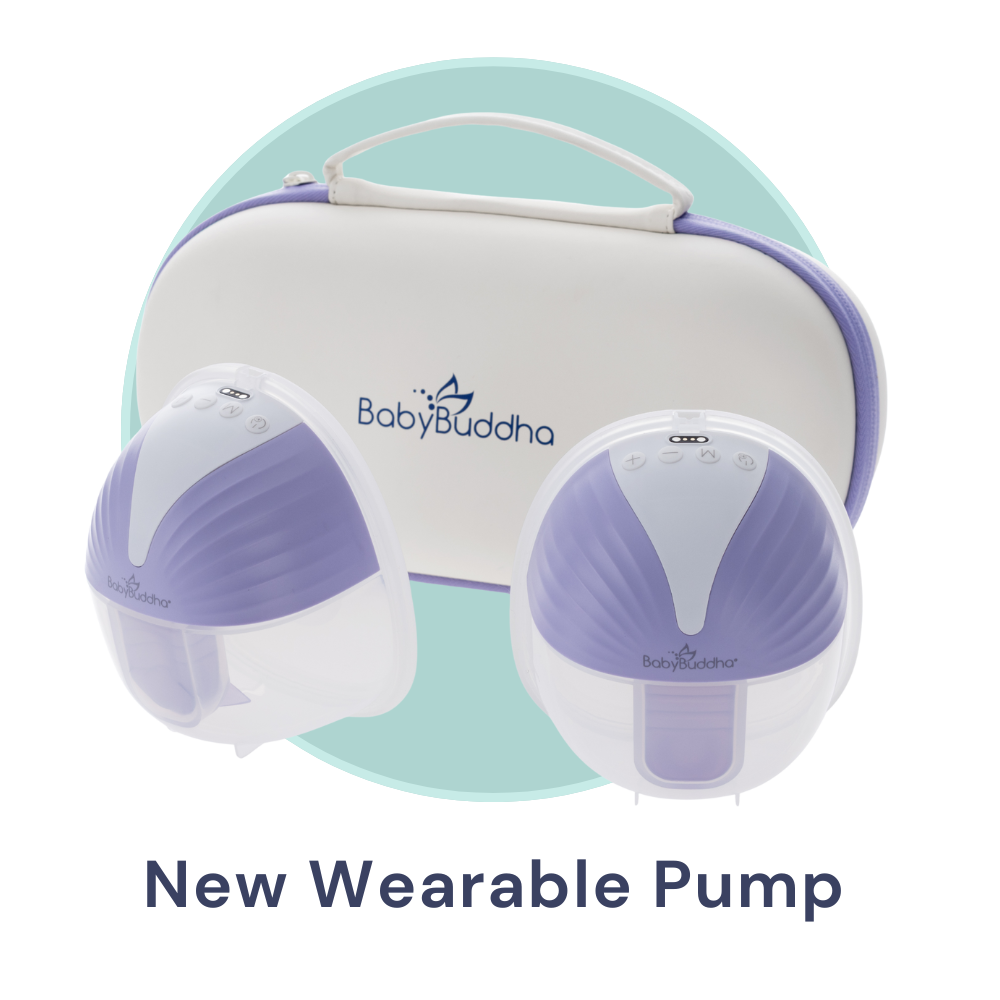
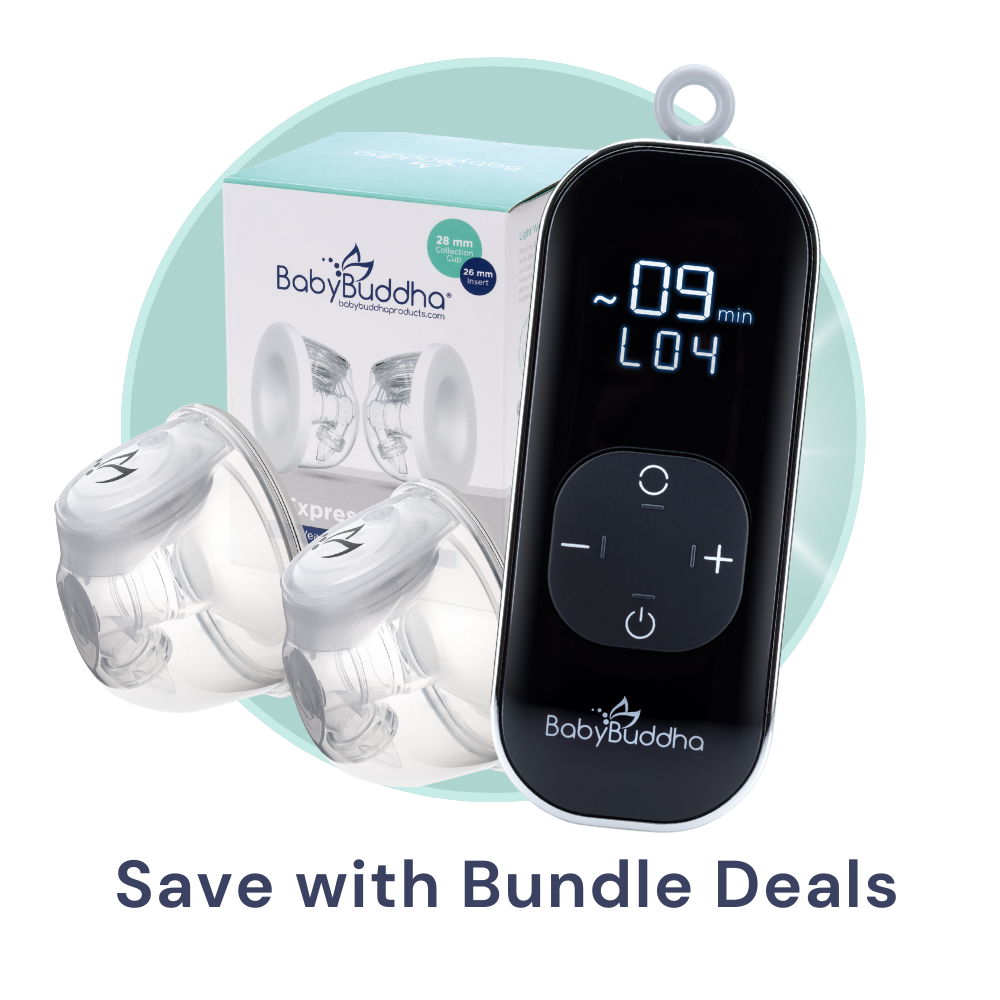
Insurance plans typically organize pumps into coverage tiers. Standard double electric pumps are covered at 100% by nearly all plans. The BabyBuddha 3.0 Primary Portable Breast Pump is available through many insurance plans and suppliers. It provides suction from 53 to 315 mmHg, four pumping modes, 30 settings and the EasyFit Kit. Some plans cover it fully, while others require an upgrade fee. Wearable pumps may be fully covered, partially covered or require a larger upgrade fee depending on your plan.
When choosing, think about your daily pumping routine. Will you pump at work? While caring for other children? On the go? The right pump depends on your lifestyle, not just the price tier. BabyBuddha's primary vs wearable comparison guide can help you decide which model fits your pumping needs before you place your insurance order.
Not Sure Which Pump to Choose?
The right pump depends on how, where, and how often you plan to pump. Compare BabyBuddha pump models to find the best fit for your routine before you order through insurance.
Step 4: Order Through an Approved Supplier
Most insurance plans require you to order your breast pump through an in-network DME, durable medical equipment, supplier rather than directly from a retailer. Common DME suppliers include Aeroflow, Byram, Edgepark, and 1 Natural Way. BabyBuddha works with these major DME networks and also offers direct insurance processing through their insurance page, where you submit your information and the BabyBuddha team handles the claim.
When ordering through a DME supplier, you will need to provide your insurance card, the prescription from your provider, and your due date. The supplier handles pre-authorization and billing with your insurance company. If your preferred pump model is not listed by a particular supplier, ask the supplier to add it or check whether your plan allows reimbursement for purchases through alternative approved channels.
Step 5: Time Your Order Correctly
Timing is one of the most common reasons insurance orders get delayed or denied. Most plans begin processing breast pump orders 30 to 60 days before your due date. Ordering too early, say at 20 weeks, may result in a denial because the plan considers it premature. Ordering after delivery is possible but means going without a pump during the critical first days when establishing supply matters most.
The ideal window is 30 to 32 weeks pregnant. This gives the DME supplier enough processing time for the pump to arrive before delivery. If your baby arrives early, contact your insurance immediately; most plans will expedite coverage for preterm deliveries. Keep your order confirmation and tracking number, and contact the supplier right away if the pump has not arrived by your due date.

What to Do If Your Claim Is Denied
Breast pump claim denials are frustrating but almost always fixable. The most common reasons are billing code errors, breast pumps coded under DME rather than preventive services, plan misclassification, the insurer incorrectly flagging your plan as grandfathered, or ordering outside the coverage window. Start by asking the representative to recheck the claim under "preventive services" specifically, not under DME. Cite ACA Section 2713 and the ACOG breastfeeding coverage guidance to support your case.
If the first-level representative cannot resolve the issue, request a supervisor review. If the denial stands after the phone call, file a formal written appeal. Include your prescription, a copy of the ACA preventive services requirement, and the denial letter. Most written appeals are resolved within 30 days. As a final step, contact your state insurance commissioner. State regulators have enforcement authority over ACA compliance and can intervene on your behalf.
Let BabyBuddha Handle the Paperwork
Insurance claims are easier when someone else manages the process. Start your BabyBuddha insurance order and the team will handle verification, prescription coordination, and shipping.
Are Replacement Parts and Accessories Covered Too?
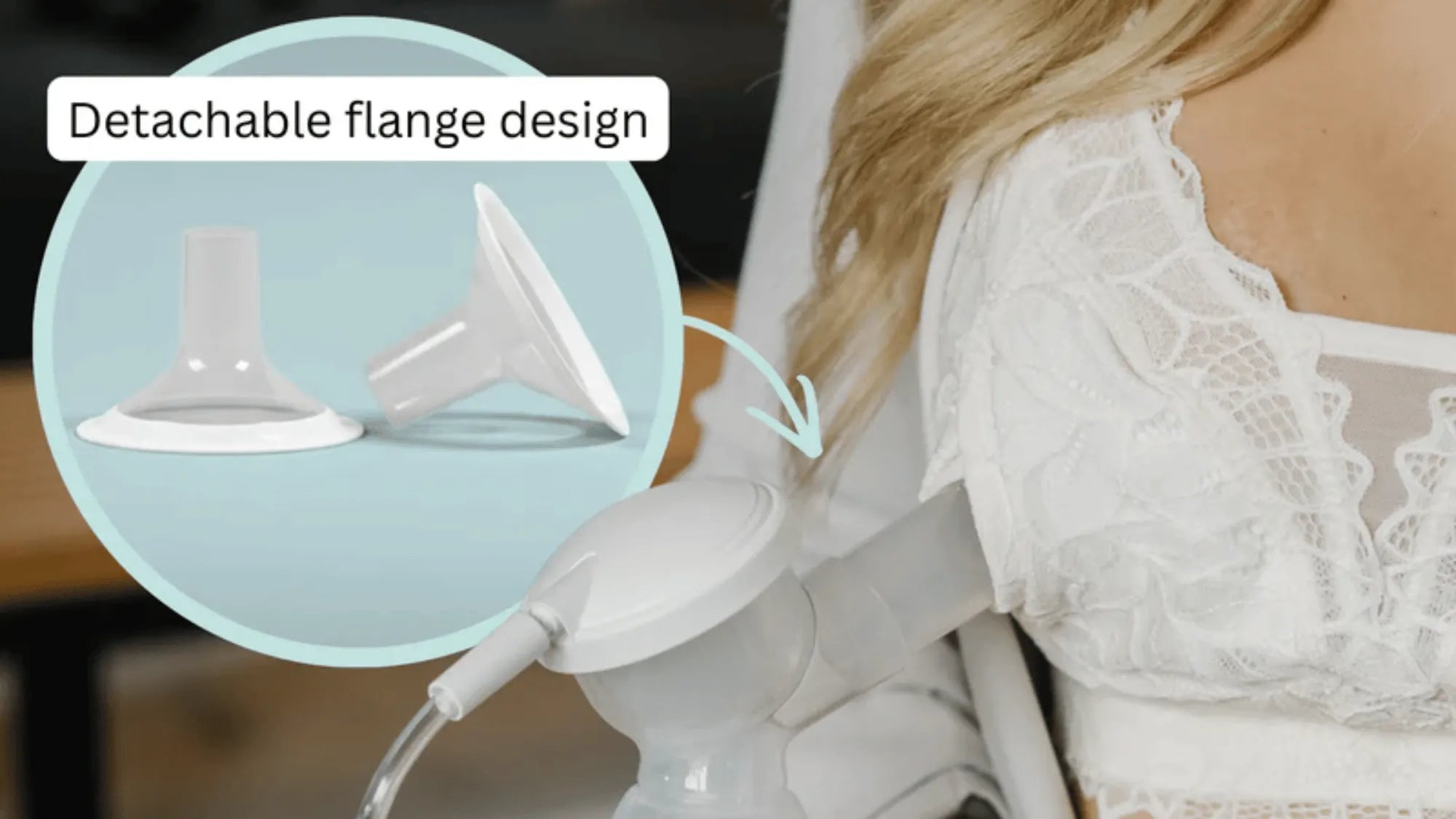
Many insurance plans extend coverage to replacement breast pump parts, including flanges, valves, membranes, and tubing. Coverage for parts varies more than coverage for the pump itself. Some plans cover replacements every 30 to 90 days, while others cover them only once during your pumping journey. Flange inserts for proper sizing may also qualify as covered items under your plan.
HSA and FSA funds are another option for covering any copay or out-of-pocket cost on parts and accessories. Breast pumps, replacement parts, and breast milk storage supplies are all eligible expenses under both account types. Check with your plan administrator to confirm eligibility, and keep receipts for tax documentation.

6 Facts About Insurance-Covered Breast Pumps Every Expecting Parent Should Know
Save these before your next prenatal appointment.
- The ACA requires most plans to cover a breast pump at zero cost. No copay, no deductible, no coinsurance for covered models.
- You need a prescription from your OB-GYN or midwife. Ask during a routine third-trimester appointment to avoid an extra visit.
- Order 30 to 60 days before your due date. This gives enough processing time for the pump to arrive before delivery.
- Portable and wearable pumps are covered by many plans. Do not assume you are limited to basic models. Ask about all categories.
- Denials are usually billing errors, not real exclusions. Ask the insurer to recheck under "preventive services" and cite the ACA.
- Replacement parts may also be covered. Check your plan so you are not paying out of pocket for flanges and valves you could get for free.
Share this with a friend who is expecting.
Getting Your Pump Before Delivery
Getting breast pumps covered by insurance is a multi-step process, but the result is a pump that costs you nothing or very little. The key is checking your coverage early, ordering at the right time through an approved supplier, choosing the pump that matches your daily routine, and knowing your appeal rights if a claim is denied. BabyBuddha simplifies the process with an online insurance eligibility check, direct DME processing, and a support team that handles the paperwork so you can focus on preparing for your baby.
Ready to Get Your Pump Through Insurance?
Most plans cover BabyBuddha at no out-of-pocket cost. Check your insurance coverage now and have your pump before baby arrives.