

Search "electric breast pump," and you get four genuinely different machines filed under one label. A unit that plugs into a wall and stays on a table has almost nothing in common with a motor that sits inside your bra, yet both are electric breast pumps, and both get described using the same handful of numbers.
Those numbers are harder to compare than they look. Peak suction sounds like a score, but it isn't one. And two of the terms you'll see most often, "hospital-grade" and "closed system," are not regulatory categories at all, which is worth knowing before you pay extra for either. This guide lays out the four formats and what each is actually good at, then decodes the spec sheet line by line, including the one specification that changes output more than almost anything else and that most listings do not even mention. If you would rather skip ahead, our pumps collection shows how these formats look side by side.
Also Read
- Manual vs. Electric Breast Pump: Which Is Right for You?
- Primary vs Wearable Breast Pumps: How to Choose the Right Pump for You
- How Do You Clean Breast Pump Tubes? Mold Prevention and Replacement Signs
Key Points
Electric breast pumps come in four formats: stationary double electric, portable primary, wearable in-bra, and multi-user rental. They are regulated medical devices, and the FDA is clear that a pump should only be used by one person unless it was designed for multiple users. On the spec sheet, the number that matters least is peak suction, because published research shows the most milk comes out at each person's own maximum comfortable vacuum rather than at the highest available setting. "Hospital-grade" isn't a term the FDA recognizes, and neither the FDA nor the CDC defines "closed system" in its guidance.
- There are four formats, each suited to genuinely different routines rather than being better or worse versions of the same thing.
- "Hospital-grade" isn't recognized by the FDA. The distinction that's real is single-user versus multiple-user.
- Peak mmHg is a ceiling, not a score. Research found the most milk came out at each mother's own maximum comfortable vacuum.
- Two-phase pumping exists for a reason. A fast stimulation phase triggers let-down, a slower expression phase moves milk.
- Double pumping saves time, and the FDA notes it lets both breasts be emptied at once.
- "Open" and "closed system" are marketing terms. The real question is whether milk or moisture can reach a part you cannot clean.
- Flange fit changes output more than most spec-sheet numbers, and has the strongest published evidence behind it.
- Never buy a secondhand single-user pump. The FDA warns pumps reused by different mothers can carry infectious particles.
The Four Kinds of Electric Breast Pump
Stationary double electric
The traditional plug-in unit that sits on a table. Strong and consistent, but you sit with it for the duration. It's a good choice when most of your pumping happens in one place.
Portable primary pumps
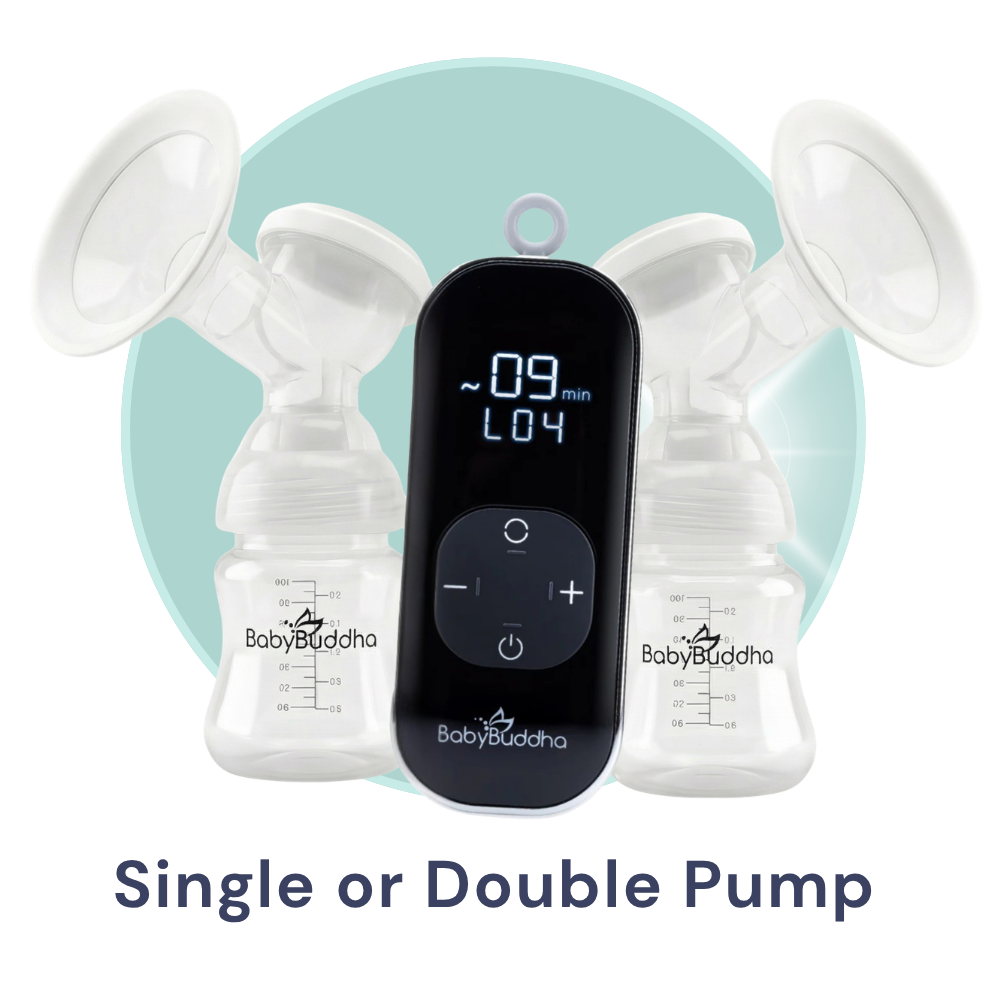
A full-strength motor small enough to clip on or pocket, running on a rechargeable battery. The whole argument for the format is doing a stationary pump's job without tying you to an outlet.
Wearable in-bra pumps
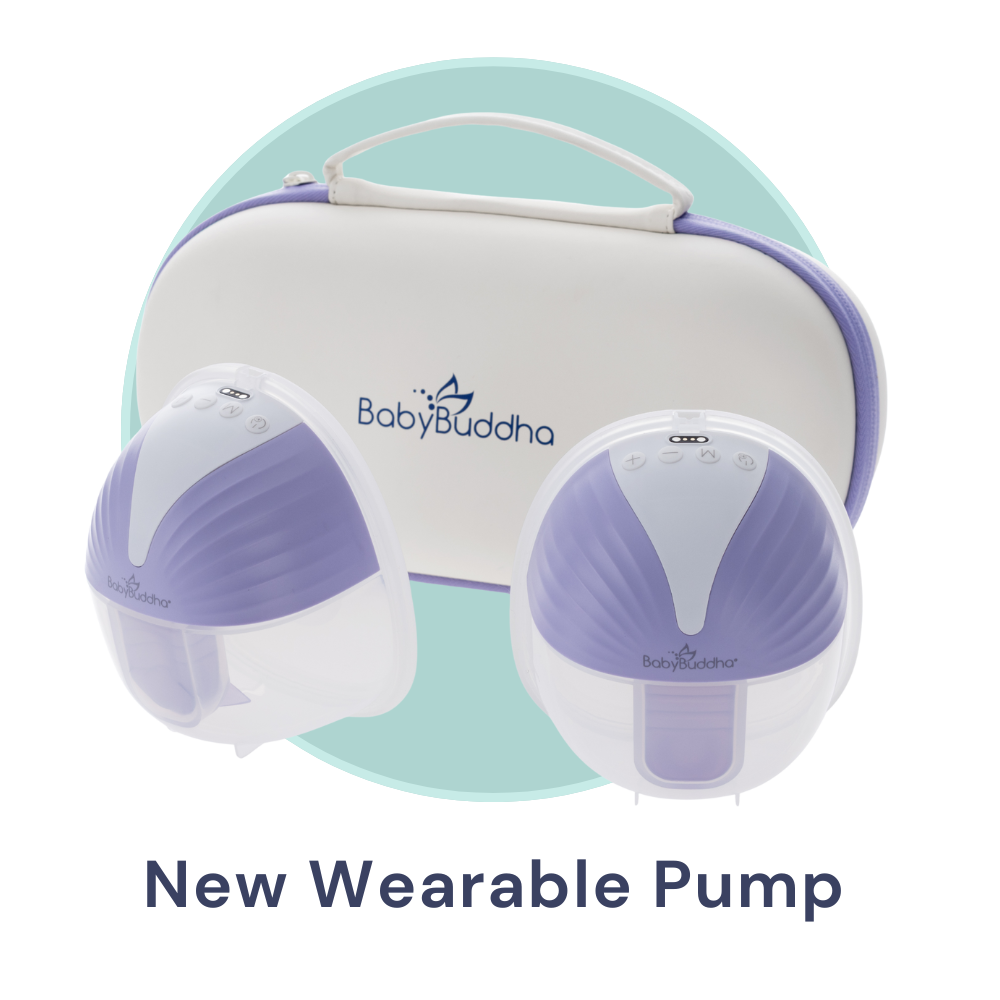
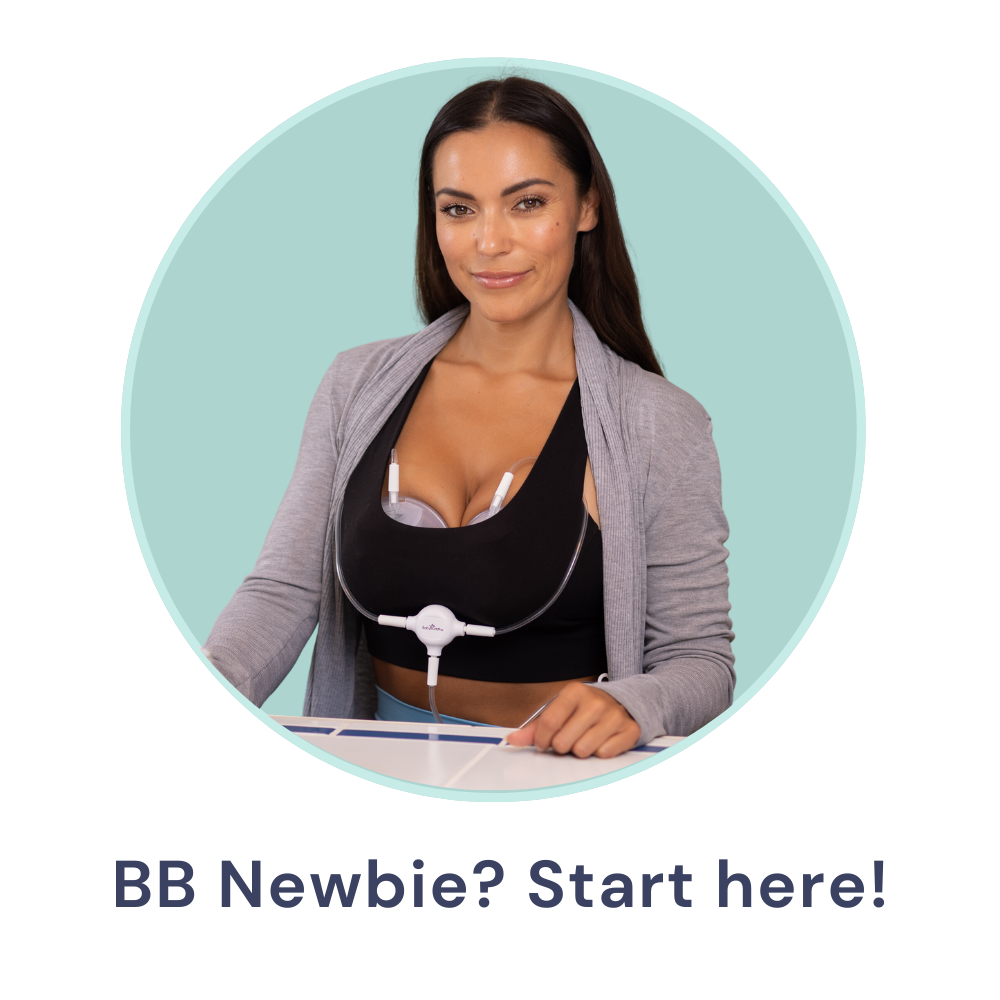
Motor and collection cup in one unit, worn inside the bra. You buy mobility, and the trade is usually capacity. This is also the category where marketing claims most outpace what can be independently verified, so weigh hands-on reviews over spec sheets.
Multi-user rental pumps
Built to be shared safely, usually rented from a hospital, lactation consultant, or specialty supplier. The FDA notes each renter is required to buy a new accessories kit including breast shields and tubing. This is the format most often labeled "hospital-grade."
The line between these formats is blurring, which is a good reason to shop by format rather than by category name. A portable primary pump that also runs hands-free with collection cups is covering two categories at once.
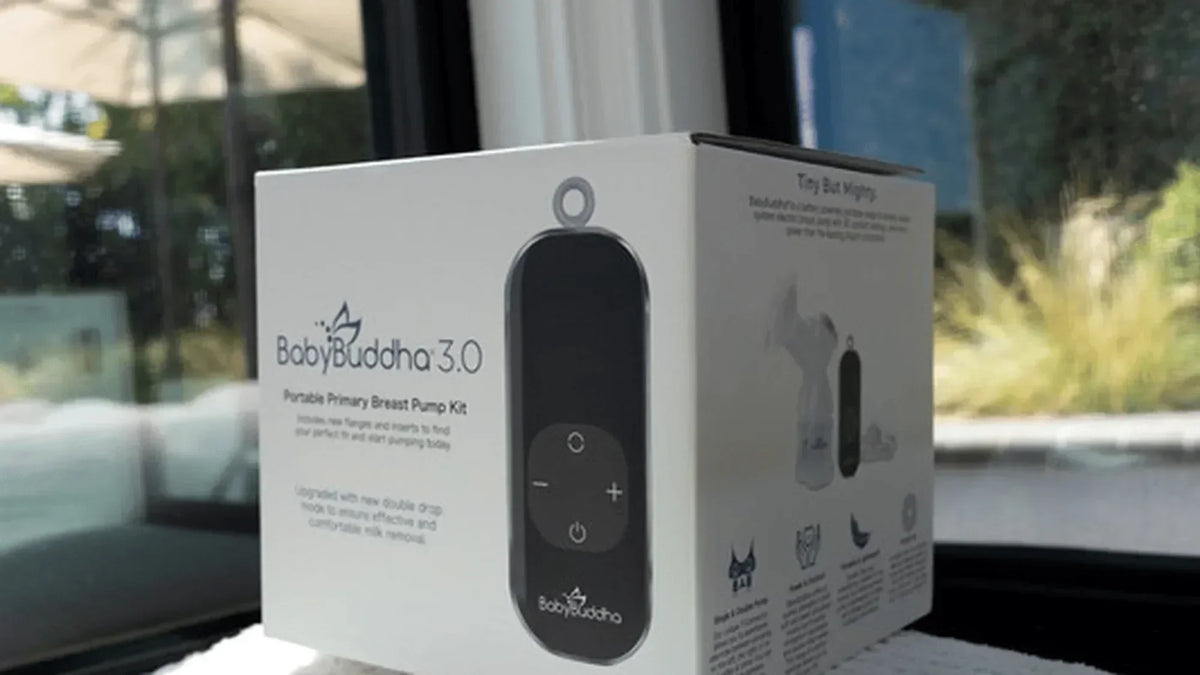
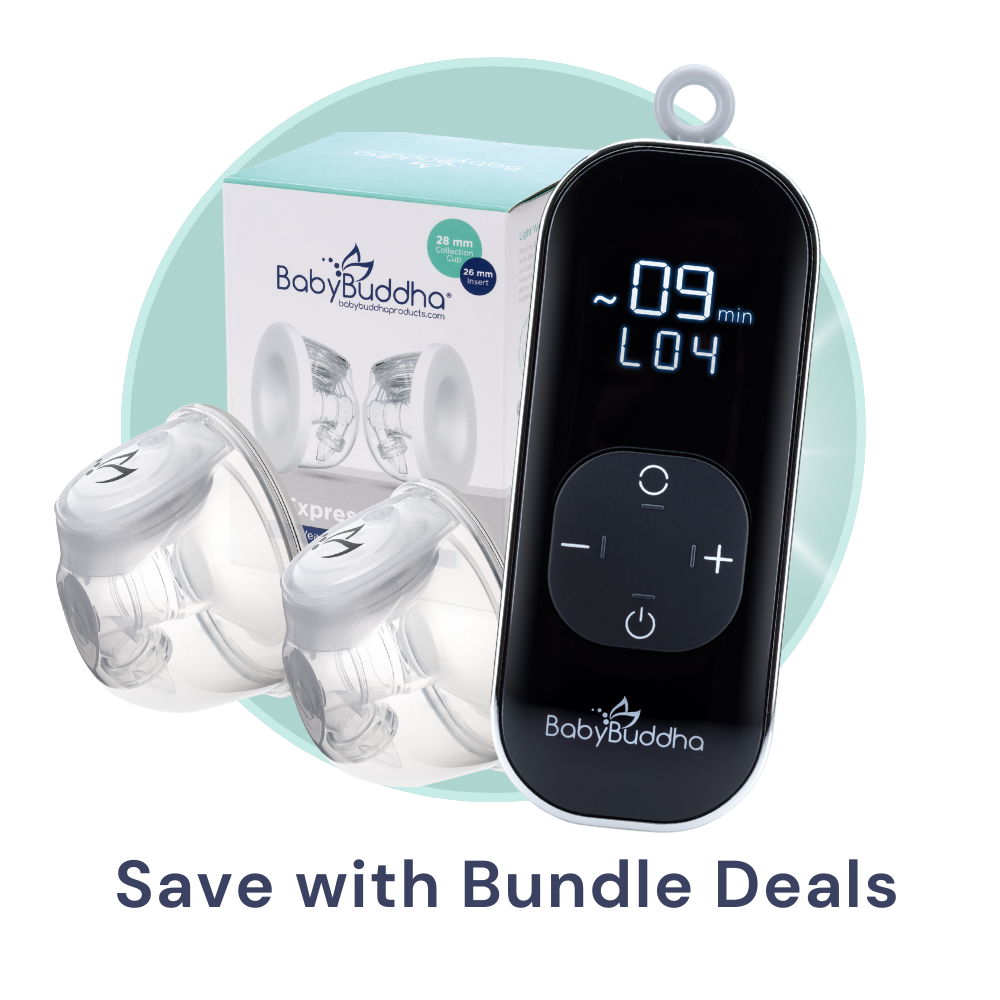
One pump, two formats: The BabyBuddha 3.0 runs with bottles for a seated session and with collection cups tucked into your bra. See the BabyBuddha 3.0.
Two Terms That Do Not Mean What You Think
"Hospital-grade" isn't an FDA term. The agency states directly that "the term 'hospital-grade pump' isn't recognized by the FDA and there is no consistent definition for this term, so individual companies could mean different things when they label their breast pumps as hospital-grade." You'll still see it on retailer category pages and product names, which tells you how little the label is policed.
What the FDA does distinguish is user count. The agency treats breast pumps as single-user devices, warning that pumps "reused by different mothers can carry infectious particles, which can make you or your baby sick." So look for whether a pump is cleared for multiple users, not for a grade label. This also applies to secondhand pumps: a used single-user pump cannot be cleaned to a standard that makes it safe for someone else, regardless of price.
"Open system" and "closed system" are marketing language too. Neither the FDA nor the CDC defines or uses those terms in its guidance to consumers. The FDA categorizes pumps by power source and by single versus double, and nothing else. Where the terms do appear on regulatory websites, they come from manufacturer-written device submissions rather than from the agency.
The concern underneath the marketing is worth stating plainly. The FDA says it's not necessary to clean pump tubing unless it comes into contact with breast milk, and the CDC says moldy tubing should be discarded and replaced immediately. The question isn't whether a listing says "closed." It's whether milk or moisture can reach something you cannot clean.
The Spec Sheet Decoder
| Spec | What it means | Should it matter? |
|---|---|---|
| Suction range (mmHg) | Vacuum the pump can pull | The range matters. The top number does not. |
| Cycles per minute | How fast it pulls and releases | Only as part of mode design |
| Modes | Distinct rhythm patterns | More chances to find one that suits you |
| Settings per mode | Steps of intensity | Finer steps, easier to sit at your comfort ceiling |
| Single vs. double | One breast or both | Double roughly halves session time |
| Weight and noise | Portability, discretion | A lot, if you pump at work |
| Battery and charge time | Time between outlets | A lot, if you pump away from home |
| Included flange sizes | What fits you out of the box | Badly underrated. See below. |
| "Closed system" | Marketing term | Ignore. Ask about tubing and cleaning. |
| "Hospital-grade" | Marketing term | Ignore. Ask single-user or multi-user. |
On suction. Research published in Breastfeeding Medicine found that at each mother's maximum comfortable vacuum, which averaged about 190 mmHg across 23 women, mothers removed roughly 65% of available milk, and that softer vacuums yielded less. A pump advertising 300 mmHg offers more room to find your setting, not a better result. The FDA is explicit that pumping should not be painful or cause sore nipples. That's your ceiling, not the spec sheet.
On cycles and modes. Pumps run a fast stimulation phase to trigger let-down, then a slower expression phase to move milk, at roughly 120 cycles per minute and 54 to 78 respectively, according to a study in the International Breastfeeding Journal. That study found no significant difference in milk removed when the two-phase pattern was compared against one derived from infant sucking, so the design is well grounded without being proven superior to every alternative.
On double versus single. The FDA notes a double pump can shorten session time because both breasts are emptied at once. The time saving is solid. Claims about hormonal advantages rest on much thinner evidence and should not drive the decision.

The Spec Nobody Lists, and It Matters Most
The best-evidenced variable isn't on the spec sheet at all: flange fit.
The numbers are strong. A 2025 pilot study in the Journal of Human Lactation compared smaller-fit flanges of 13 to 19mm against standard 21 to 24mm sizes in 36 mothers. Average milk yield per session rose from 138.2 grams to 153.2 grams, and average comfort climbed from 3.3 to 4.5 on a five-point scale where 3 was "tolerable", and 5 was "very comfortable." It's a pilot rather than a definitive trial, but it's the strongest published evidence attached to any single pump variable.
Most people also need a smaller size than they are given. Mean nipple tip diameter in that study was 12.63mm, with a range of 9 to 16mm, and the most commonly selected smaller size was 15mm. Most electric pumps ship with 24mm and 28mm flanges, well above what many people need, which makes the sizing range in the box a real spec. Our flange fitting guide walks through measuring, and separate flanges and inserts cover sizes outside the standard range.
Know the signs of a bad fit: pain, your nipple rubbing the tunnel wall, areola pulled deep into the flange, or blanching afterward. Fit can change over your pumping months, so measuring once isn't measuring forever.
Sizing shipped with the pump, not sold after it. Every BabyBuddha 3.0 includes two 24mm EasyFit flanges, ten inserts, and a sizing ruler. See what ships in the box.
Which Format Fits Your Routine
Most sessions at home, in one spot. A stationary double electric or a portable primary both work. Choose on comfort and noise rather than on peak suction.
Returning to work. Portability, battery life, and quiet operation matter more than the top of the suction range. The PUMP Act guarantees break time and a private space that's not a bathroom for one year after birth, according to the U.S. Department of Labor.
Exclusively pumping. You run more sessions than anyone, so mode variety, part durability, and comfort compound. Parts turnover is highest here, and keeping spare replacement parts on hand is worth the small cost.
Hands genuinely full. A wearable, or a portable primary paired with collection cups.
Short-term or NICU need. A multi-user rental from a hospital, lactation consultant, or specialty supplier.
And check coverage before you decide, since format choice is often constrained by what your plan actually stocks. BabyBuddha works with the major suppliers through our insurance page.

How BabyBuddha Fits the Four Formats
The BabyBuddha 3.0 is a portable primary pump, pulling 53 to 320 mmHg with four modes and 30 settings. It covers two of the four formats at once, running with traditional bottles for a seated session and with hands-free collection cups tucked into a bra when your hands are busy.
Sizing is solved in the box: two 24mm EasyFit flanges, ten inserts covering 13 to 21mm, and a sizing ruler, spanning the range the research points to. If you need fully cordless in-bra pumping with nothing hanging, our wearable pump is the right format instead. Wear parts are sold separately and cheaply, since duckbill valves and diaphragms are the usual culprits when a pump seems to lose suction.
Electric Breast Pump FAQs
What is the difference between a double electric and a portable electric breast pump? Double refers to pumping both breasts at once. Portable refers to running on a battery instead of a wall outlet. A pump can be both, and most primary portable pumps are.
Is a hospital-grade electric breast pump better? The FDA doesn't recognize the term and says there is no consistent definition for it. The distinction that matters is whether a pump is cleared for single or multiple users.
How much suction does an electric breast pump need? Less than most listings imply. Research points to your own maximum comfortable vacuum as the setting that removes the most milk, averaging around 190 mmHg. A wide range helps you find your number.
Can I buy a used electric breast pump? Not a single-user one. The FDA warns that pumps reused by different mothers can carry infectious particles and cannot be reliably cleaned between users.
Conclusion
Two decisions carry most of the weight here. Pick the format that matches where you'll actually pump, then read the spec sheet knowing which numbers earn their place and which are there to sound impressive.
If you take one thing into the purchase, make it this: peak suction is a ceiling rather than a score, and flange fit has more published evidence behind it than almost anything else on the listing. A pump sized to you at a comfortable setting will out-produce a stronger pump you cannot stand to use.
Compare the formats and see the specs that actually matter: portable, wearable, and manual, with the numbers laid out plainly. Explore BabyBuddha pumps.