


Choosing between a primary breast pump and a wearable breast pump can feel more complicated than expected, especially when you begin seeing terms like primary pump, portable pump, and wearable pump. While all pumps are designed to express milk from the breast for breastfeeding your growing baby, they are built with different priorities in mind. Some pumps are engineered for strong, consistent pumping performance, while others focus on convenience and discreet pumping. Understanding how these pump types differ can make a meaningful difference in how comfortable and efficient pumping feels day to day. Choosing the right pump early on can help establish a smoother routine and support long-term milk supply. Taking time to understand these differences now often makes the pumping journey far more manageable later.
What Is a Primary Breast Pump?
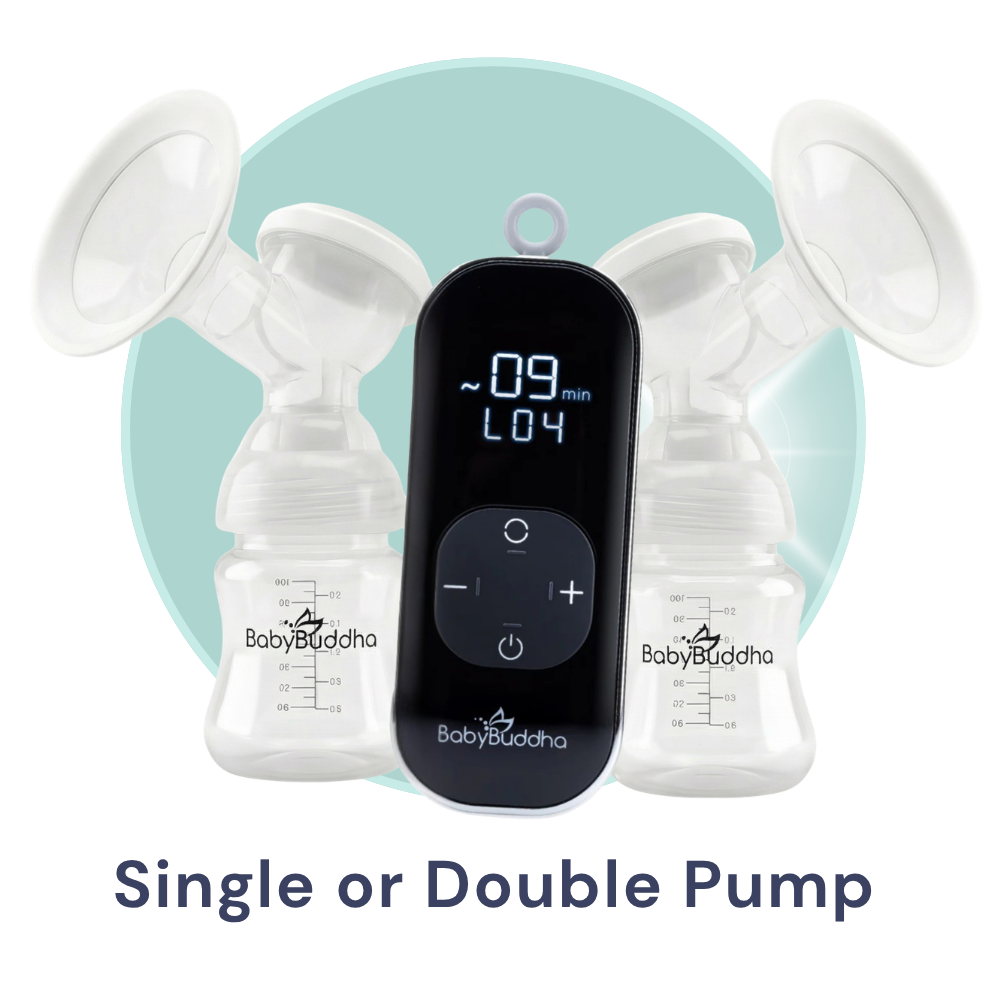
A primary breast pump is designed to be your main pump for establishing and maintaining milk supply. These pumps prioritize strong, consistent suction that supports effective milk removal during regular pumping sessions. Many primary pumps are designed with hospital-grade suction strength, meaning they can produce the level of consistent suction needed for frequent pumping. Traditional primary pump setups use flanges placed over the nipple that connect to collection bottles outside the bra. The pump motor creates rhythmic suction patterns designed to mimic the way a baby feeds. This pattern helps stimulate milk flow while supporting what lactation professionals often describe as effective emptying of the breast. When the breast is emptied thoroughly and consistently, the body receives the signal to continue producing milk. Because of this connection between milk removal and milk production, lactation consultants commonly recommend using a strong primary pump when establishing a pumping routine, especially for parents who expect to pump regularly.
Why the First 10–14 Days Matter for Milk Supply
The early postpartum period plays a critical role in establishing milk supply. During roughly the first 10 to 14 days after birth, the body learns how much milk to produce based on how often and how effectively milk is removed from the breast. This early window helps shape the level of milk production the body maintains over time. Frequent and effective pumping during this stage helps the body establish a strong and stable supply. When milk is removed regularly, the body receives the message that more milk is needed to feed your baby. When milk removal is inconsistent or incomplete, milk production may gradually slow. For this reason, lactation consultants often emphasize using a pump capable of strong, consistent suction during the early weeks. Pumps designed with hospital-grade suction strength help support effective breast emptying during this important stage and help build a stable foundation for the months ahead. For moms looking for a primary breast pump that is portable while still prioritizing strong suction, the BabyBuddha® 2.0 Primary Portable Breast Pump was designed to deliver hospital-grade strength in a compact pump that can move with you throughout the day.
What Is a Wearable Breast Pump?
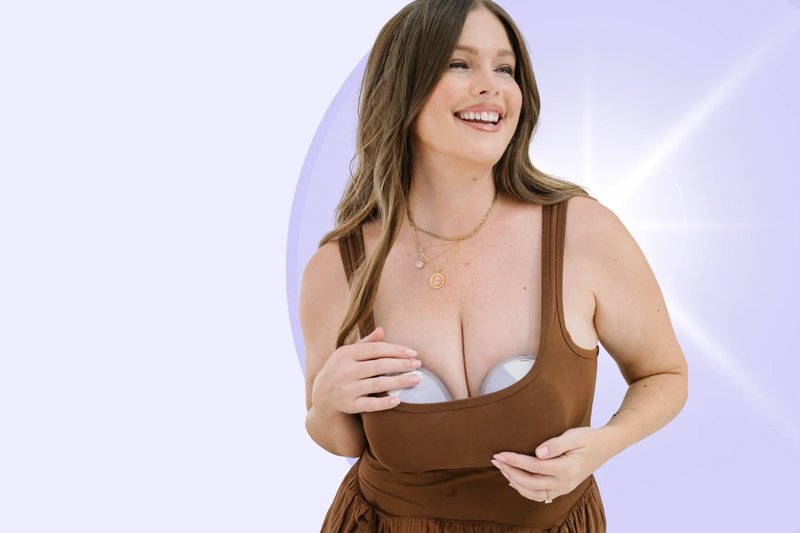
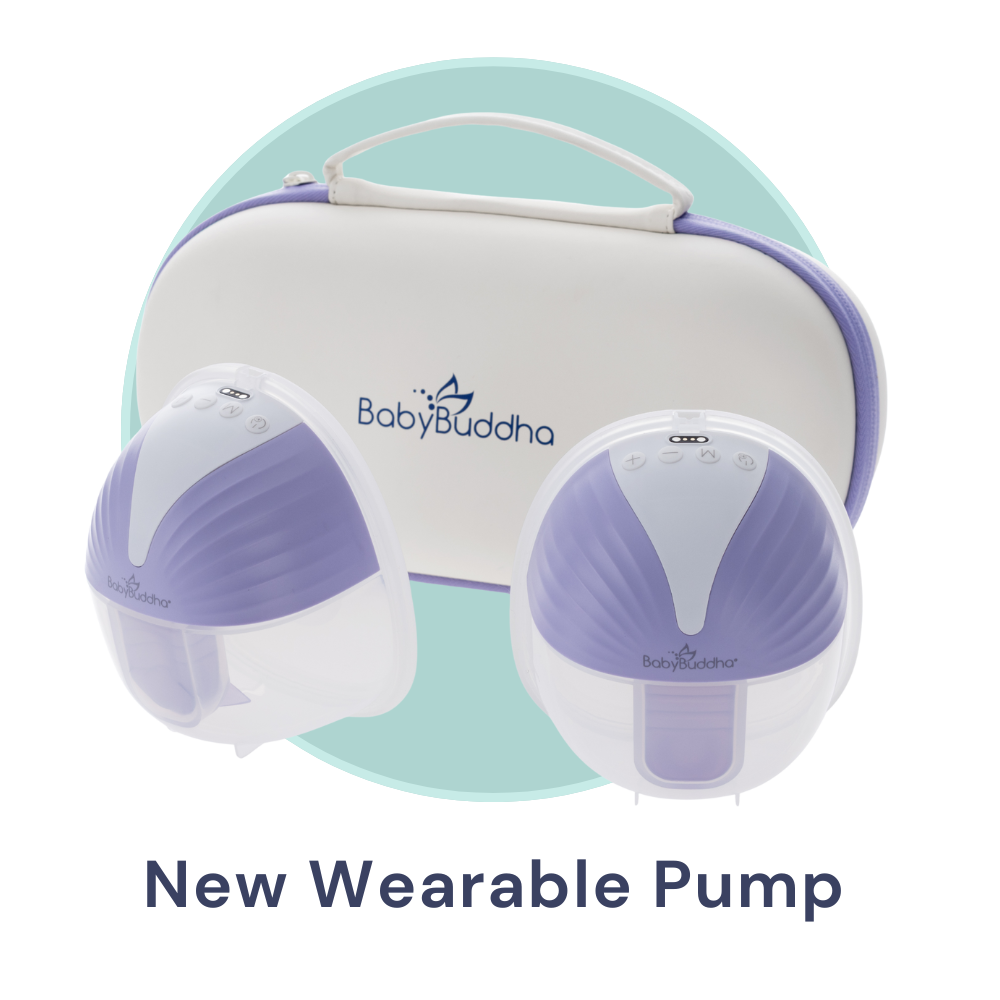
Wearable breast pumps are designed primarily around convenience and portability. Instead of collection bottles extending outside the bra, wearable pumps place the milk collection container directly inside the bra. This creates a self-contained pumping setup that allows greater mobility during pumping sessions. The hands-free design is one reason wearable pumps have become increasingly popular. Pumping while working, commuting, or moving around the house becomes easier when the pump components remain contained inside the bra.
Because wearable pumps are built to be compact and lightweight, they sometimes prioritize portability over suction strength. As a result, wearable pumps often work best once milk supply is already well established and pumping sessions have become more predictable.

Why Pump Strength and Milk Removal Matter
Milk production responds directly to how effectively milk is removed from the breast. In lactation science, this process is often described as effective breast emptying, which signals the body to continue producing milk for your baby.
When milk is pumped thoroughly and consistently, the body continues producing milk at a steady rate to meet your baby’s needs. If the breast is not emptied effectively, the body may gradually slow milk production. Over time, this can lead to lower milk output or longer pumping sessions. For moms who pump frequently or exclusively, the strength and consistency of suction can have a significant impact on pumping efficiency.
When pumping is efficient, sessions often feel shorter, milk output becomes more predictable, and maintaining supply becomes easier over time.
Portable Primary Pumps: Strength Without the Bulk
Historically, pumps with strong suction were often large machines designed mainly for home use. While these pumps offered powerful performance, they were not always convenient for moms who needed to pump throughout the day. Advances in pump technology have introduced portable primary pumps that combine strong suction with a compact design.
Portable pumps allow pumping sessions to fit more naturally into daily routines. Rechargeable batteries and lightweight motors make it possible to pump at work, during travel, or between everyday responsibilities. This evolution in pump design allows strong milk removal without being tied to a wall outlet or a bulky machine. For many families, the combination of performance and portability makes pumping much easier
to maintain over time.
Where BabyBuddha Fits In
Most moms researching pumps assume they have to choose between a strong primary pump and a portable pump that can travel throughout the day. Traditionally, larger primary pumps delivered the strongest suction, while smaller pumps prioritized convenience and mobility. BabyBuddha was designed to bridge that gap. The BabyBuddha® 2.0 Primary Portable Breast Pump functions as a primary breast pump with hospital-grade suction strength, while still remaining quiet and compact enough to move easily through a busy day. Instead of being tied to a stationary machine, pumping can happen at home, at work, or while traveling.
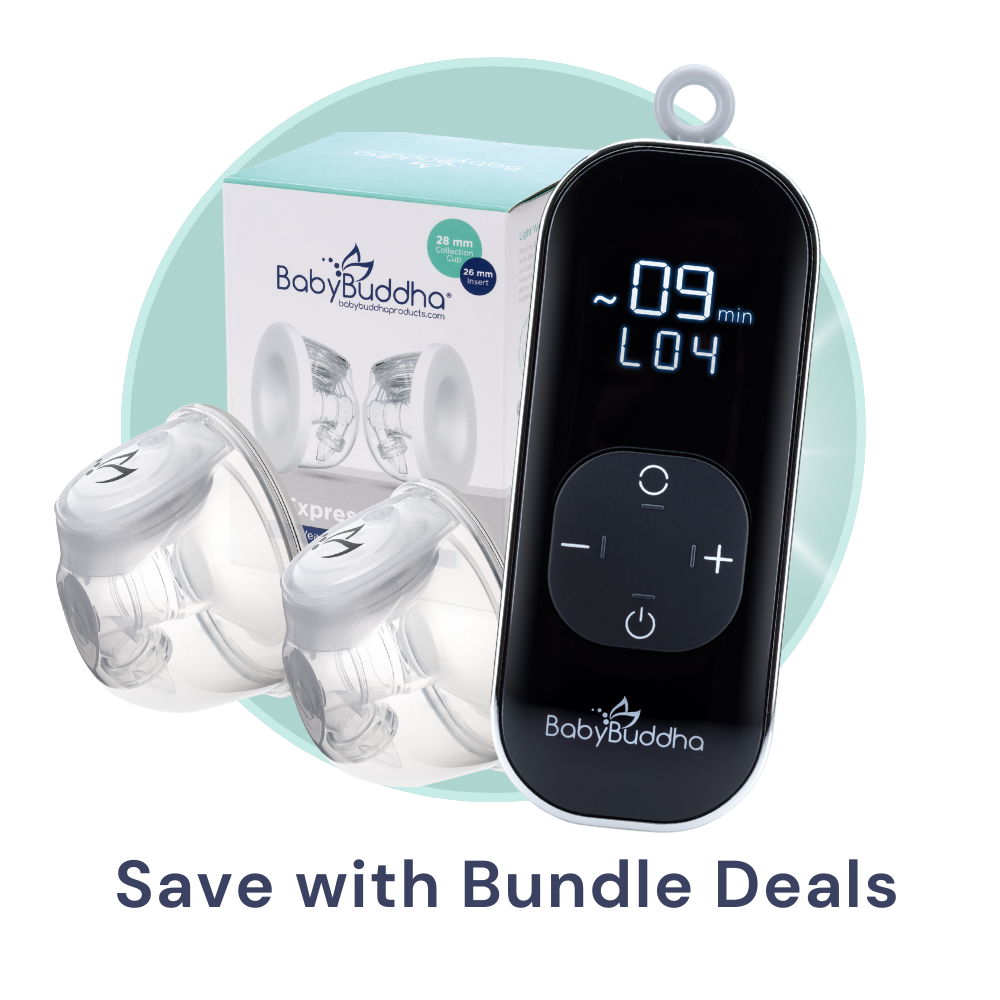
The pump can be used with a traditional pumping setup using flanges and collection bottles, or paired with accessories depending on the situation. In some setups, the BabyBuddha Wearable Breast Pump can be added for a fully in-bra option that provides greater discretion while still using a strong primary pump for regular sessions. For moms who want primary pump performance without sacrificing portability, this type of setup can make pumping far easier to maintain throughout the day.
Using Collection Cups for Hands-Free Pumping
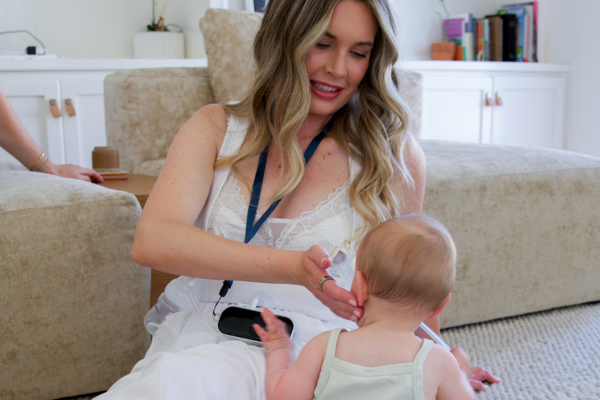
Pairing a primary pump with collection cups can create a more discreet pumping setup. Collection cups sit inside the bra while still connecting to the pump motor through tubing. This design allows hands-free pumping while maintaining the stronger suction typically associated with primary pumps. Accessories like the BabyBuddha Hands-Free Collection Cups keep the milk collection containers inside the bra while still relying on the strong pump motor from the BabyBuddha® 2.0 Primary Portable Breast Pump. The result is a setup that feels more discreet while still supporting effective milk removal. This type of configuration is particularly helpful when mobility during pumping sessions is important but pump strength still needs to remain consistent.
When Wearable Pumps Can Still Be Helpful
Wearable pumps still play an important role in many pumping routines. While primary pumps often handle regular pumping sessions, wearable pumps can provide added flexibility during busy days. Short pumping breaks, travel days, or unpredictable schedules can make wearable pumps a practical option. Their discreet design allows pumping to happen during daily activities without requiring a traditional pumping setup. Using both types of pumps can provide additional flexibility. A primary pump supports consistent milk removal and supply, while a wearable pump offers convenience when mobility becomes the priority.
Choosing the Pump That Fits Your Life
Every pumping journey is different, and the best pump for one family may not be the best option for another. Some moms pump occasionally, while others rely on pumping multiple times each day. Understanding how often pumping will happen can help guide which type of pump may work best.
Several factors often influence this decision:
• how frequently you expect to pump
• whether strong suction is important for supporting milk supply
• how important portability is during the day
• whether hands-free pumping is a priority
Beginning with a strong primary pump often provides a reliable foundation. Once a routine is established, additional pumping setups can add flexibility as daily needs change.

A Portable Pump Designed for Real Life
Pumping does not have to mean being tied to one location or carrying large equipment throughout the day. Advances in pump technology now allow effective pumping to fit more naturally into everyday routines. BabyBuddha’s breast pumps were each designed with this balance in mind, offering hospital-grade suction strength in a compact portable pump. By supporting efficient pumping while remaining lightweight and portable, it helps moms everywhere maintain their routines wherever the day takes them.
Explore the BabyBuddha line of hospital-grade breast pumps here:
https://babybuddhaproducts.com