

The best breast pump is the one that fits how often you pump, where you pump and what feels comfortable. This 2026 guide compares six current options by pump type, published suction, power source, fit choices and intended use. BabyBuddha has two pumps on the list for different jobs: the BabyBuddha 3.0 is a primary portable pump with an external motor, while the BabyBuddha Wearable is a fully in-bra secondary pump.
2026 Breast Pump Picks by Use
- Choose the BabyBuddha 3.0 for regular pumping with a compact, rechargeable primary pump.
- Choose the BabyBuddha Wearable when you need a fully in-bra secondary pump.
- Choose the Spectra S2 Plus for stationary pumping near a wall outlet.
- Consider the Medela Pump In Style Pro for a compact home pump with a pumping pattern similar to Symphony's Maintain program.
- Consider the Momcozy S12 Pro if you want an all-in-one wearable with long published battery life.
- Ask your care team about the Medela Symphony when a hospital-grade multi-user rental is medically recommended.
Ready to Check Your Coverage?
Check your BabyBuddha insurance options. Coverage, suppliers and upgrade fees vary by plan.

How These Pumps Were Compared
This guide uses current information published by each manufacturer. We compared pump type, stated vacuum range, modes, power source, included fit options and intended use. A higher vacuum number doesn't guarantee more milk. Comfort, flange fit, pumping pattern and individual response also affect a session.
Best Portable Primary Pump: BabyBuddha 3.0
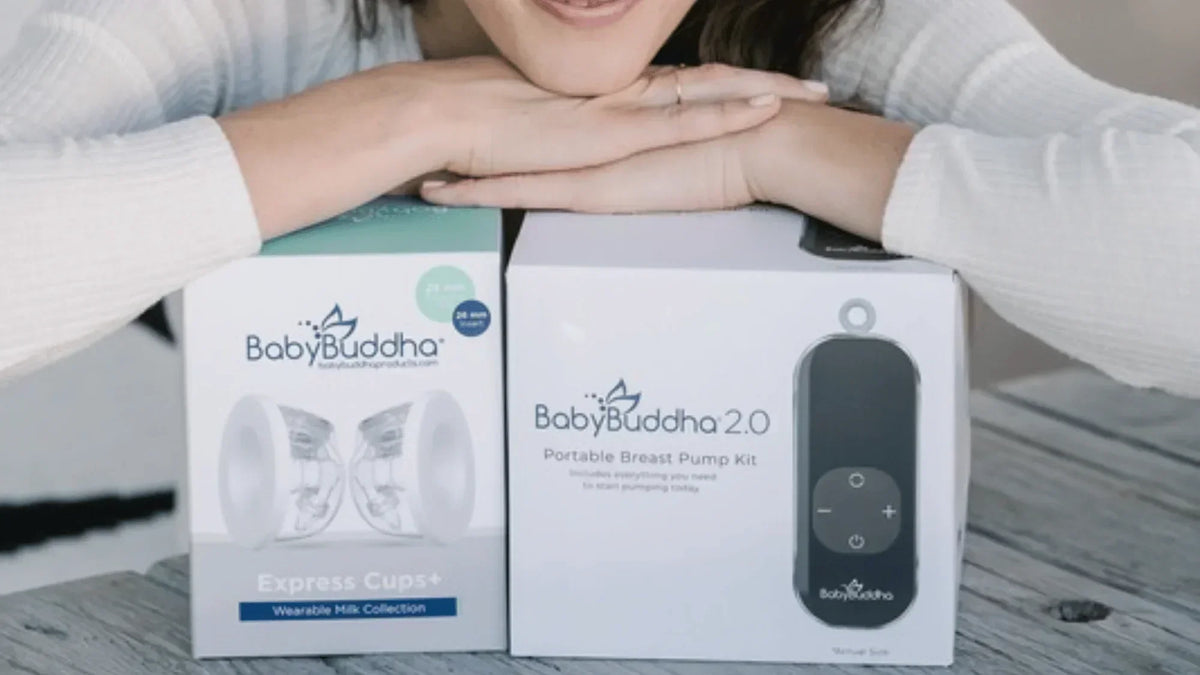
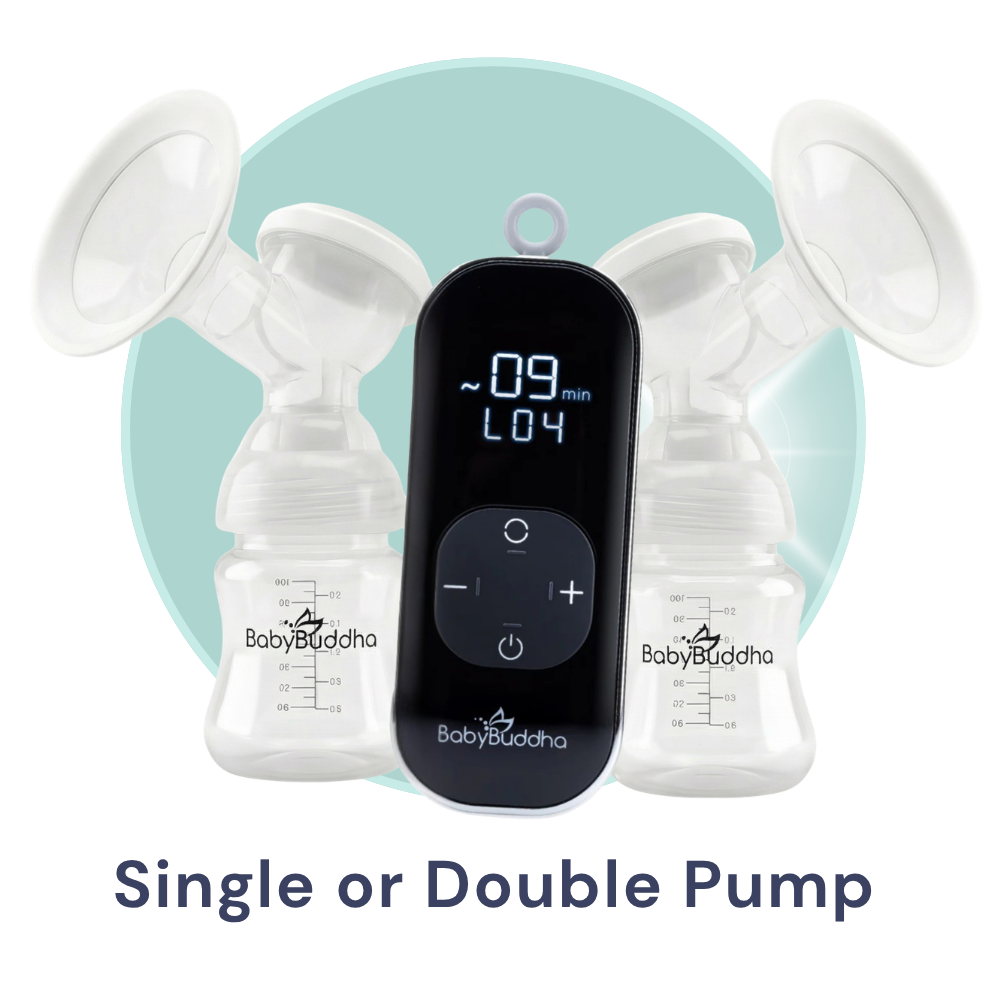
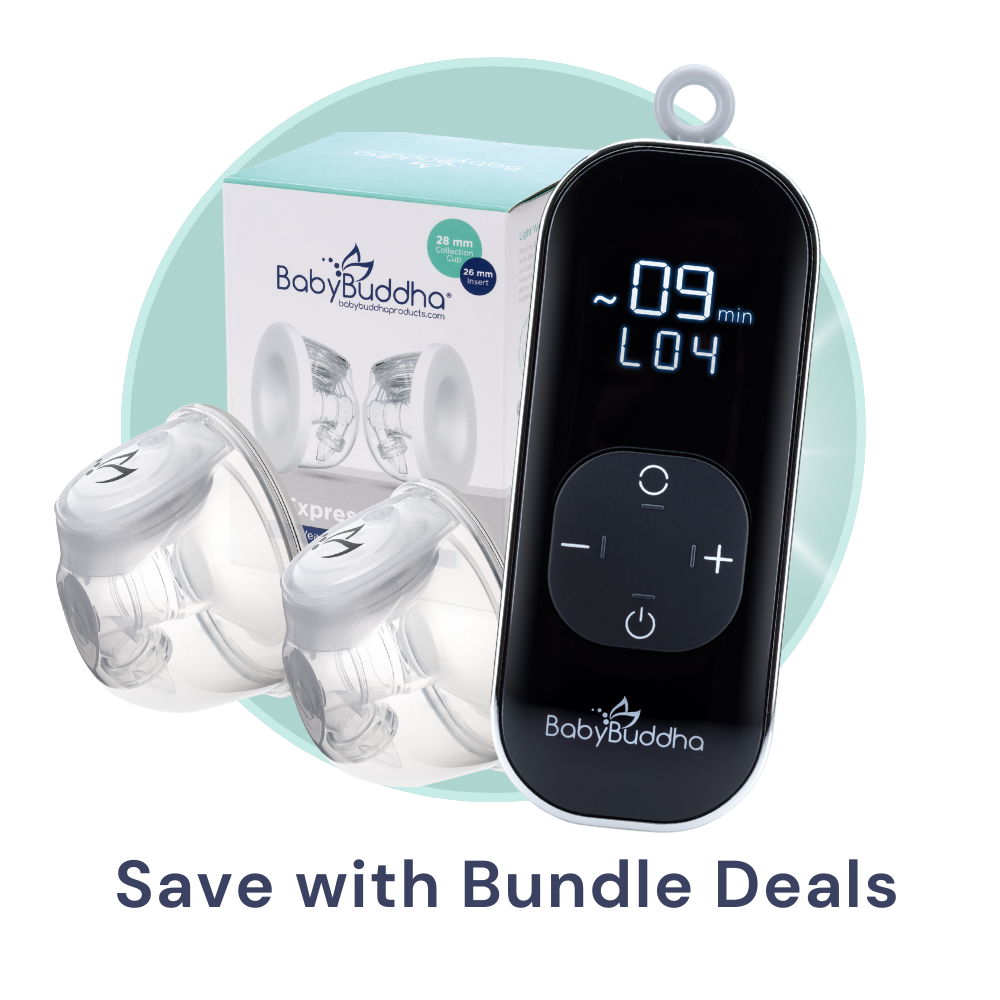
The BabyBuddha 3.0 Primary Portable Breast Pump is the current successor to the BabyBuddha 2.0. It has an external motor that can hang from the included lanyard. It isn't a fully in-bra wearable pump.
Its published suction range is 53 to 315 mmHg. Four modes provide 30 total settings: Soft Stimulation, Classic Stimulation, Classic Expression and Double Drop Expression. The closed system can be used for single or double pumping.
The EasyFit Kit includes two 24mm flanges and ten inserts. You receive two each in 13mm, 15mm, 17mm, 19mm and 21mm. The box also includes bottles, tubing, a USB-C charging cable, a sizing ruler, a lanyard and a carrying tote. BabyBuddha states that a full charge takes four hours.
Choose this model for regular daily pumping when you want primary-pump performance without a tabletop motor. Accessory compatibility can vary by model, so check the 3.0 product page before adding collection cups or older parts.
Best Fully In-Bra Secondary Pump: BabyBuddha Wearable
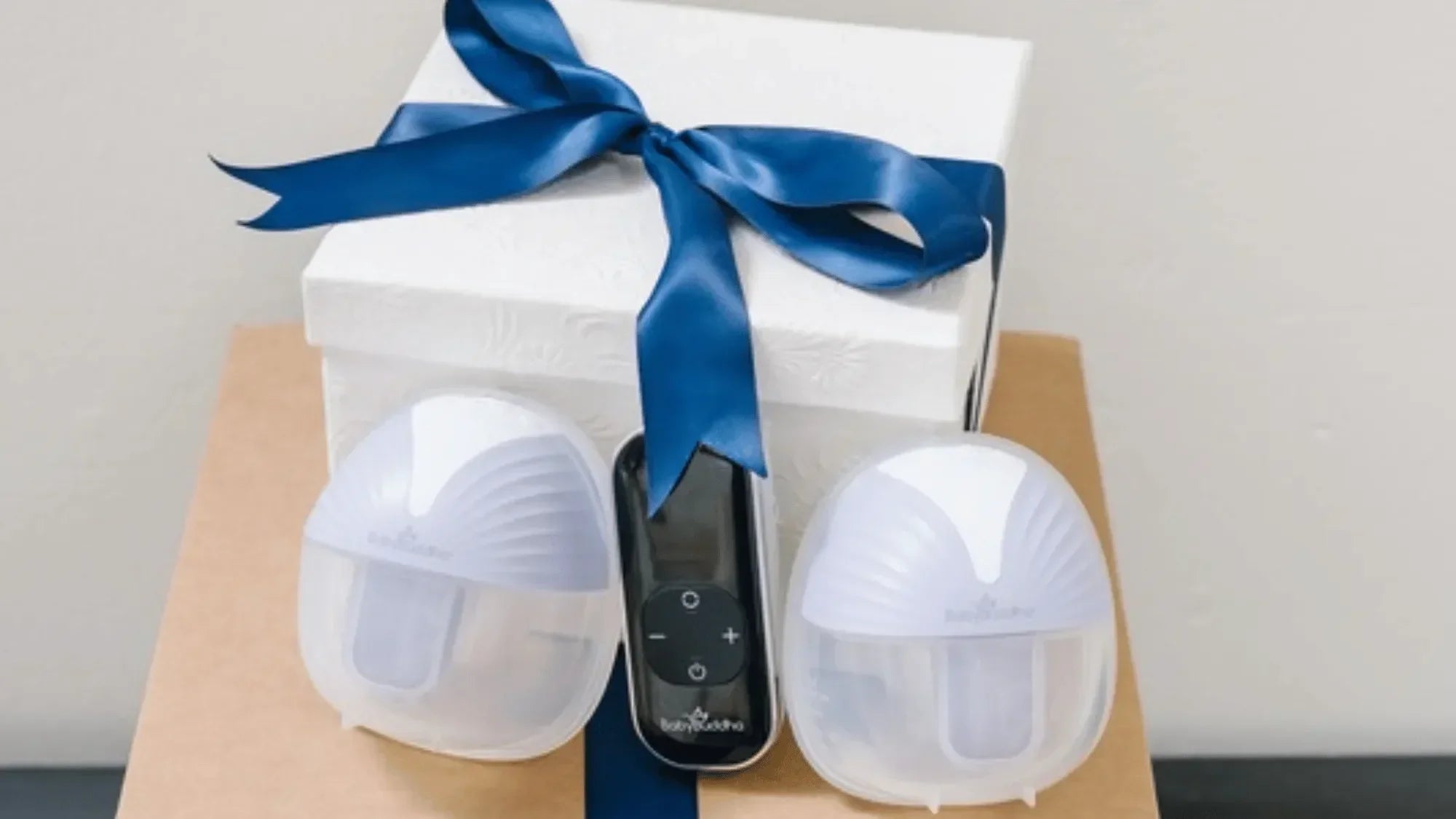
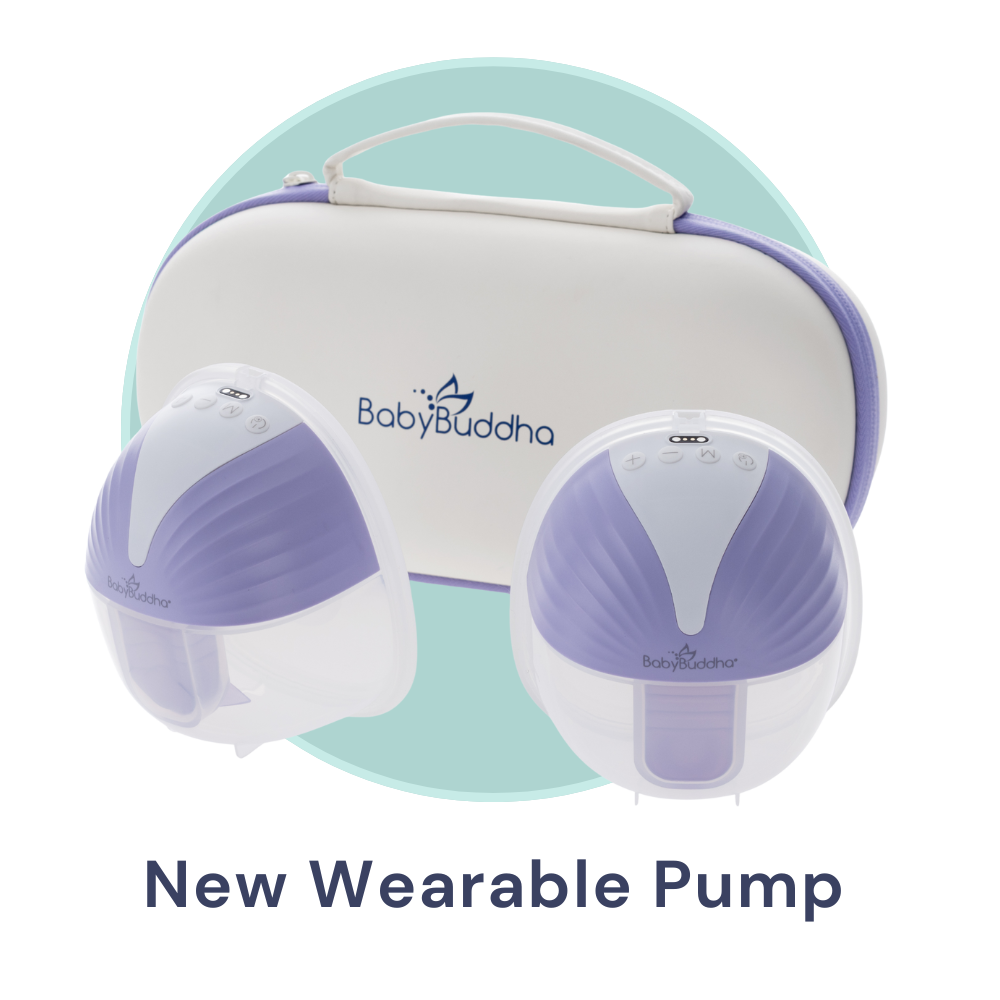
The BabyBuddha Wearable Breast Pump sits fully inside the bra. BabyBuddha positions it as a secondary pump for work, errands, travel and nighttime sessions. Pair it with a primary pump when you need both regular milk removal and an in-bra option.
The pump has four modes and 30 settings. Its cups hold more than 6 ounces each. In-cup lights help during low-light sessions. The included fit kit has 24mm silicone flanges plus inserts in 13mm, 15mm, 17mm, 19mm and 21mm.
BabyBuddha states that the magnetic charging system reaches a full charge in 60 minutes and provides more than two hours of pumping time. The manufacturer doesn't publish a vacuum range on the product page, so this guide doesn't assign one.
Best Stationary Home Pump: Spectra S2 Plus
The Spectra S2 Plus is a wall-powered double electric pump. Spectra lists suction up to 270 mmHg, a closed system, adjustable massage and expression settings, an LCD screen and a night light.
The kit includes 24mm and 28mm flanges, bottles, tubing, valves, backflow protectors and an AC adapter. It doesn't have a rechargeable battery. That makes it a strong fit for regular pumping in one place rather than sessions away from an outlet.
Best Compact Home Pump: Medela Pump In Style Pro
The Medela Pump In Style Pro is a single-user double electric pump. Medela says its pumping pattern is similar to the Maintain program used by the Symphony. The pump has stimulation and expression phases with 16 vacuum levels.
Medela lists the pump at 1.23 pounds. The kit includes 21mm and 24mm breast shields, bottles, connectors and an AC adapter. Four washable parts keep daily cleaning manageable. The product page doesn't publish the vacuum range, so no mmHg figure is used here.
Lower-Cost Wearable Option: Momcozy S12 Pro
The Momcozy S12 Pro is an all-in-one wearable pump. Momcozy lists a maximum vacuum of 295 mmHg, three modes and nine levels. Each collector holds 7 ounces.
The included 24mm flange works with 17mm, 19mm and 21mm inserts in the box. Momcozy lists up to 240 minutes of use per charge and a 150-minute charging time. Its published operating noise is 50 dB or less. Prices change often, so compare the current total and warranty before buying.
Hospital-Grade Multi-User Rental: Medela Symphony
The Medela Symphony is a multi-user hospital-grade pump offered for hospital use and home rental. It has Initiation technology, a Maintain program and Medela's 2-Phase Expression technology. It supports single or double pumping and uses a personal pump set for each user.
This category serves a different need from a personal portable or wearable pump. A care team may recommend a rental when a parent or baby has specific medical needs or milk production needs close support. Rental pricing and kit costs vary by provider.
Head-to-Head Comparison
The table uses specifications published by the manufacturers. A blank suction value isn't an estimate. It means the current product page doesn't publish that number.
| Pump | Pump type | Published suction | Modes and levels | Power | Fit options in the box |
|---|---|---|---|---|---|
| BabyBuddha 3.0 | Primary portable with external motor | 53 to 315 mmHg | 4 modes, 30 settings | Rechargeable, USB-C | 24mm flanges plus 13mm, 15mm, 17mm, 19mm and 21mm inserts |
| BabyBuddha Wearable | Fully in-bra secondary pump | Not published | 4 modes, 30 settings | Rechargeable, magnetic charging | 24mm flanges plus 13mm, 15mm, 17mm, 19mm and 21mm inserts |
| Spectra S2 Plus | Stationary double electric | Up to 270 mmHg | Massage and expression settings | AC power | 24mm and 28mm flanges |
| Medela Pump In Style Pro | Compact double electric | Not published on product page | 2 phases, 16 vacuum levels | AC power | 21mm and 24mm breast shields |
| Momcozy S12 Pro | All-in-one wearable | Up to 295 mmHg | 3 modes, 9 levels | Rechargeable | 24mm flange plus 17mm, 19mm and 21mm inserts |
| Medela Symphony | Hospital-grade multi-user rental | Not published on product page | Initiation and Maintain programs | AC power | Personal pump set required |

How to Choose the Right Pump
For Regular or Exclusive Pumping
Start with a pump intended for regular milk removal. The BabyBuddha 3.0 is a rechargeable primary portable pump. The Spectra S2 Plus suits a fixed pumping space. The Pump In Style Pro offers a compact home option. Some exclusive pumpers keep a second pump as a backup, but one well-fitting pump may meet your needs.
For Work and Travel
Choose based on how much equipment you can carry and where you'll pump. The BabyBuddha 3.0 keeps the motor outside the bra and uses flanges, tubing and bottles. The BabyBuddha Wearable and Momcozy S12 Pro place the pump and collector inside the bra. Check cup capacity, charging time, cleaning needs and spill guidance before travel.
For Pumping at Home
A wall-powered model removes battery planning from the routine. The Spectra S2 Plus and Pump In Style Pro both support double pumping. A rechargeable or in-bra pump can help when you need to move between rooms.
Flange Sizing Can Change Comfort and Output
A flange that is too large can draw excess areola into the tunnel. A flange that is too small can rub or compress the nipple. Both can cause discomfort and may affect milk removal. Measure before your first session, then reassess if pumping hurts or nipple size changes.
The BabyBuddha 3.0 EasyFit Kit includes two 24mm flanges and ten inserts across five sizes. The BabyBuddha flange sizing guide explains how to measure. A small 2025 pilot study also found that individualized sizing may improve comfort and milk output compared with standard fitting.
Getting a Breast Pump Through Insurance
Most private health plans must cover breastfeeding support and supplies under federal preventive-service rules. Your plan can set rules for the pump type, rental or purchase, approved supplier and timing. Wearable models and upgrades may have an added cost.
Check your benefits before paying retail. Ask which models are covered, whether you need a prescription and which suppliers you can use. Review the current federal guidance on HealthCare.gov, then confirm the details with your insurer. You can also review the BabyBuddha insurance page.

Eight Checks Before You Buy
- Choose a pump type that fits your expected pumping frequency.
- Treat portable and wearable as separate categories. A portable pump can still use an external motor, tubing and flanges.
- Use published vacuum ranges for comparison, not as a promise of milk output.
- Measure for flange or insert fit before pumping.
- Check how many parts need washing after each session.
- Match battery life or outlet needs to your normal day.
- Confirm replacement-part availability and warranty terms.
- Check insurance rules before paying retail.
Choosing Your 2026 Breast Pump
The BabyBuddha 3.0 is the current BabyBuddha choice for a primary portable pump. It pairs 53 to 315 mmHg suction with four modes, 30 settings and a broad EasyFit size kit. The BabyBuddha Wearable serves a separate role as a fully in-bra secondary pump.
The other pumps on this list suit different settings. Spectra S2 Plus stays near an outlet. Pump In Style Pro brings a Symphony-like Maintain pattern to a compact personal pump. Momcozy S12 Pro offers an all-in-one wearable format. Medela Symphony remains a clinical rental option. Base your choice on fit, comfort, pumping frequency and where you'll use it.
Check Your BabyBuddha Options
Compare BabyBuddha pump models or check your insurance options before ordering.