


Team Most moms picture an electric breast pump when they think about pumping, and for many feeding routines, that makes complete sense. Electric pumps are often the primary tool used for regular pumping schedules, returning to work, maintaining supply, or exclusive pumping. Still, there are certain situations where a manual breast pump may feel more practical, comfortable, or convenient than setting up a full electric pumping session.
For many moms, a manual pump becomes less of an “instead of” product and more of a supportive tool for specific moments when comfort, flexibility, simplicity, or gentle control matter most. It may not be the pump used every single day, but it often becomes one of those surprisingly helpful items moms are grateful to have nearby when they need it.
Also Read:
- On-The-Go Breast Pumps
- What Type Of Breast Pump Should I Buy?
- How To Get Breast Pumps Covered by Insurance?
In Summary
A manual breast pump is not usually meant to replace an electric pump, but it can be incredibly helpful in specific moments. Moms often use manual pumps for colostrum collection, nipple soreness, gentle relief, travel, backup pumping, and times when they want more control over suction and pace. For occasional, comfort-focused pumping support, the BabyBuddha Manual Breast Pump can be a simple and flexible addition to a broader feeding routine.
What Makes a Manual Breast Pump Different?
A manual breast pump is powered entirely by you. Instead of relying on batteries, cords, or automatic suction patterns, the pumping rhythm is created manually by squeezing the handle yourself. That means you control the pace, pressure, and intensity throughout the session.
For some moms, that level of control feels noticeably more comfortable than machine-driven suction. Rather than trying to match your body to a preset rhythm, a manual pump allows you to respond to how your body feels in real time. This is one reason manual pumps are often used during lighter or more occasional pumping moments, especially when comfort and flexibility are more important than speed or high-volume output.
During Colostrum Collection
One of the most common situations where a manual breast pump can be especially helpful is during colostrum collection.

Colostrum is the first milk your body produces before mature milk comes in. Although the volume is typically small, it is rich in nutrients and antibodies that support newborn feeding in the earliest days after birth. Some moms choose to begin collecting colostrum prenatally around 37 weeks with guidance from their healthcare provider.
Because colostrum is usually expressed in very small amounts, many moms prefer a slower and gentler approach to collection. A manual breast pump can support that process by allowing moms to control suction carefully and work gradually without feeling overstimulated by stronger automatic settings.
For moms who are trying to prepare ahead of delivery, the process can also feel emotionally reassuring. Having small amounts of colostrum stored before baby arrives may provide peace of mind during those early feeding days when routines are still being established and everything feels new.
For moms looking for a lightweight option designed for gentle milk expression and occasional pumping support, the BabyBuddha Manual Breast Pump can fit naturally into prenatal and postpartum feeding routines.
When Your Nipples Feel Sore or Overstimulated
The postpartum period can be physically demanding, especially during the early weeks of nursing and pumping. Frequent feeding sessions, cluster feeding, and repeated pumping can sometimes leave nipples feeling tender, irritated, or overstimulated.
During these moments, some moms find that manual pumping feels gentler and easier to tolerate. Since the suction is fully controlled by hand, it becomes easier to slow down, reduce intensity, pause frequently, or stop immediately when discomfort increases.
This added control can make pumping feel less overwhelming both physically and mentally. Instead of feeling locked into a machine-driven session, moms can respond to their body moment by moment and adjust the experience as needed. For moms who are already feeling touched-out or overstimulated postpartum, that flexibility can feel surprisingly comforting.

When You Want More Control Over the Experience
One of the biggest reasons moms continue reaching for manual pumps is because they appreciate having more control over the overall experience.
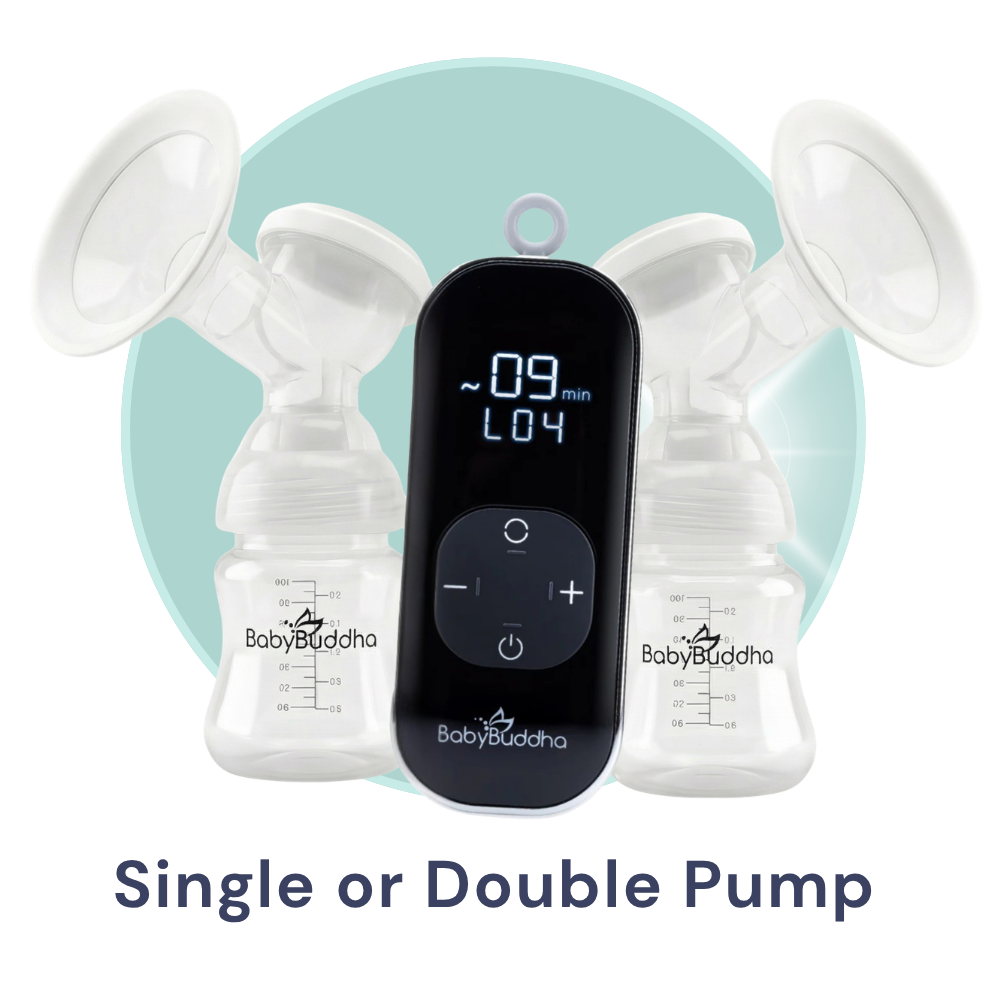
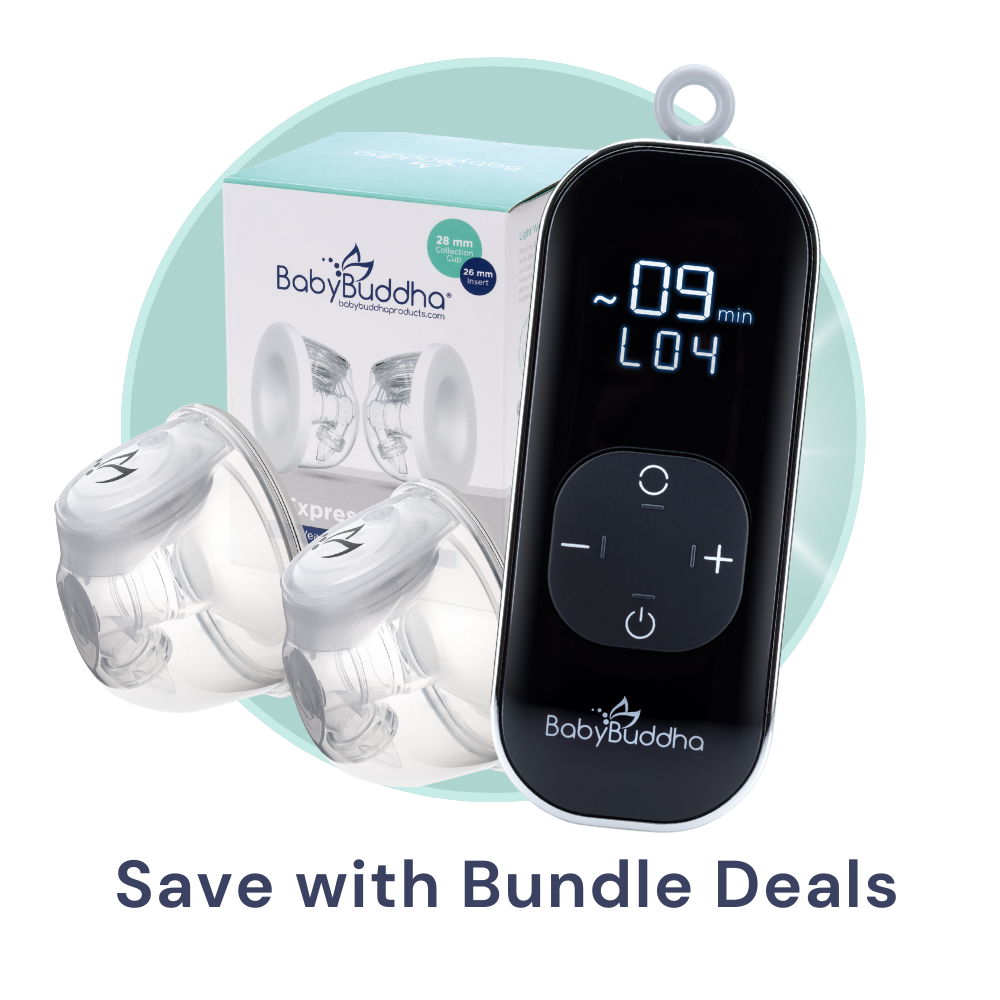
Electric pumps, including primary portable options like the BabyBuddha 3.0 Primary Portable Breast Pump, are designed for efficient and consistent milk removal during regular pumping routines. BabyBuddha 3.0 offers four pumping modes, 30 settings and adjustable suction from 53 to 315 mmHg. There are still moments when a slower, more responsive pumping experience feels better.
With a manual breast pump, you decide how quickly to pump, how strong the suction feels, and when to pause or stop. That flexibility can feel especially helpful during moments when your body feels sensitive, when you only need a small amount of relief, or when stronger automatic suction feels overstimulating.
Some moms also appreciate the quieter and calmer nature of manual pumping. Without motor sounds, charging cables, or multiple settings to manage, the process can feel simpler and more relaxed during already overwhelming postpartum days.
For Gentle Relief in the Shower
Warm showers are often associated with comfort and relaxation postpartum, especially during periods of fullness or engorgement. Because manual breast pumps do not rely on electricity or cords, some moms like using them in the shower for gentle relief.
The combination of warm water and light manual suction may help support more comfortable milk removal during moments when breasts feel overly full or tender. For moms who dislike setting up a full pumping station every time they need relief, this can feel much more manageable and convenient.
As a Backup Pump to Keep Nearby
Even moms who primarily use electric pumps often keep a manual pump nearby as a backup option. Batteries die, pump parts get forgotten, power outages happen, and sometimes quick relief is needed unexpectedly while away from home.

Because manual pumps are compact and lightweight, they are easy to keep in a diaper bag, work bag, car, suitcase, or hospital bag without taking up much space. Since they do not require electricity, they can also provide peace of mind during travel or emergencies when charging options are limited.
Many moms do not fully realize how valuable a backup pump can be until they unexpectedly need quick relief while away from home or without access to their primary setup.
As Part of a Flexible Feeding Routine
One misconception about manual breast pumps is that they are meant to completely replace electric pumps. For many moms, that is not actually how they are used.
Instead, manual pumps often become one piece of a more flexible feeding setup. A mom may rely on an electric pump for regular daily sessions while keeping a manual option nearby for gentler moments, quick relief, travel, or occasional milk expression.
Different tools support different needs throughout pregnancy and postpartum life. Many moms use the BabyBuddha 3.0 Primary Portable Breast Pump for consistent daily pumping. Its four modes, 30 settings and EasyFit Kit support a range of comfort and sizing needs. A manual option can stay nearby for gentler or occasional sessions.
For moms looking for a lightweight option designed for flexibility and gentle control, the BabyBuddha Manual Breast Pump can be an easy addition to a broader feeding routine.
A Surprisingly Thoughtful Baby Shower Gift
Manual breast pumps may not always be the first item added to a registry, but they often become one of those practical products moms are unexpectedly thankful to have.

They support many of the smaller in-between moments people do not always think about ahead of time, including gentle postpartum relief, travel, occasional pumping sessions, backup situations, and colostrum collection before baby arrives. Because they are compact, simple to use, and easy to store, they can make a thoughtful addition to a larger feeding setup.
Final Thoughts
There is no single “right” way to pump, and different situations often call for different types of support.
While electric pumps are essential for many feeding routines, manual breast pumps can offer something equally valuable in certain moments: comfort, flexibility, simplicity, and control.
Whether you are preparing to collect colostrum before birth, looking for gentler relief during soreness, traveling, or simply wanting a reliable backup option nearby, a manual breast pump can become a useful part of your overall feeding toolkit.
If you are looking for a lightweight option designed for gentle, manual pumping support, the BabyBuddha Manual Breast Pump can be an easy addition to your routine.