
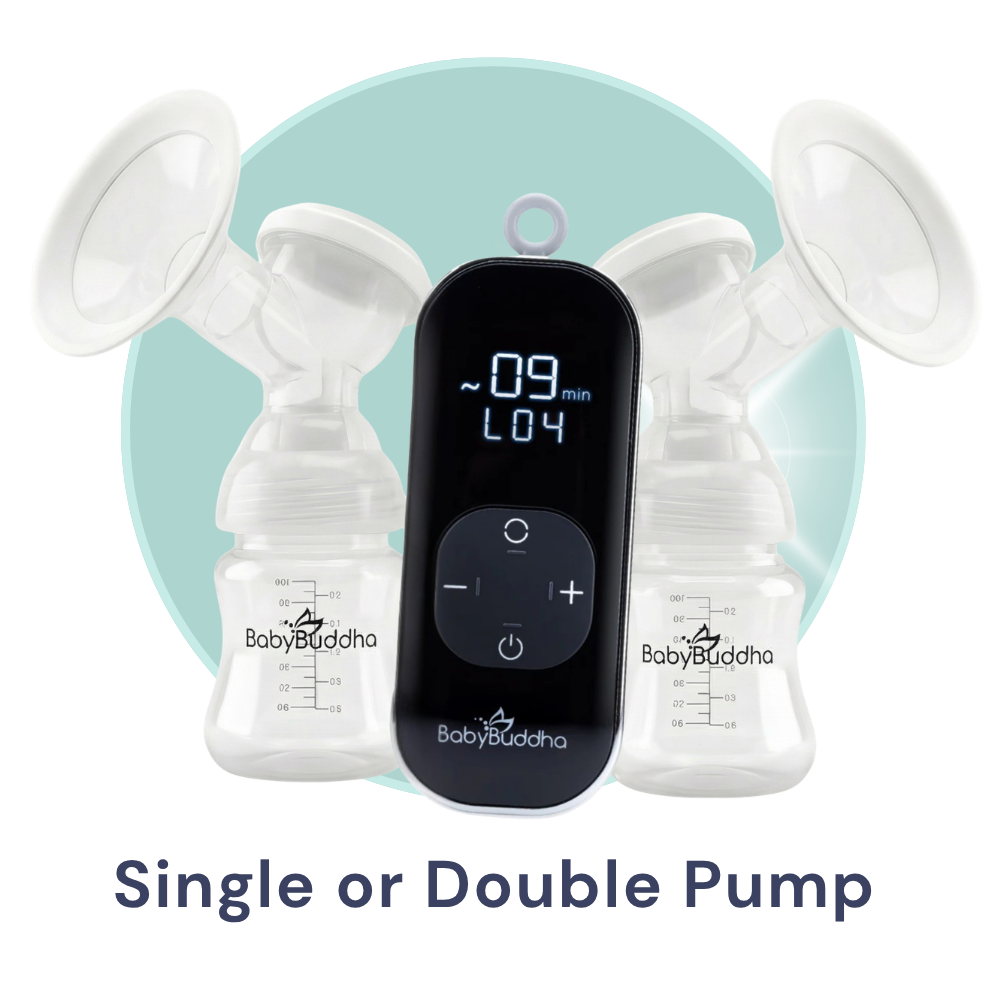
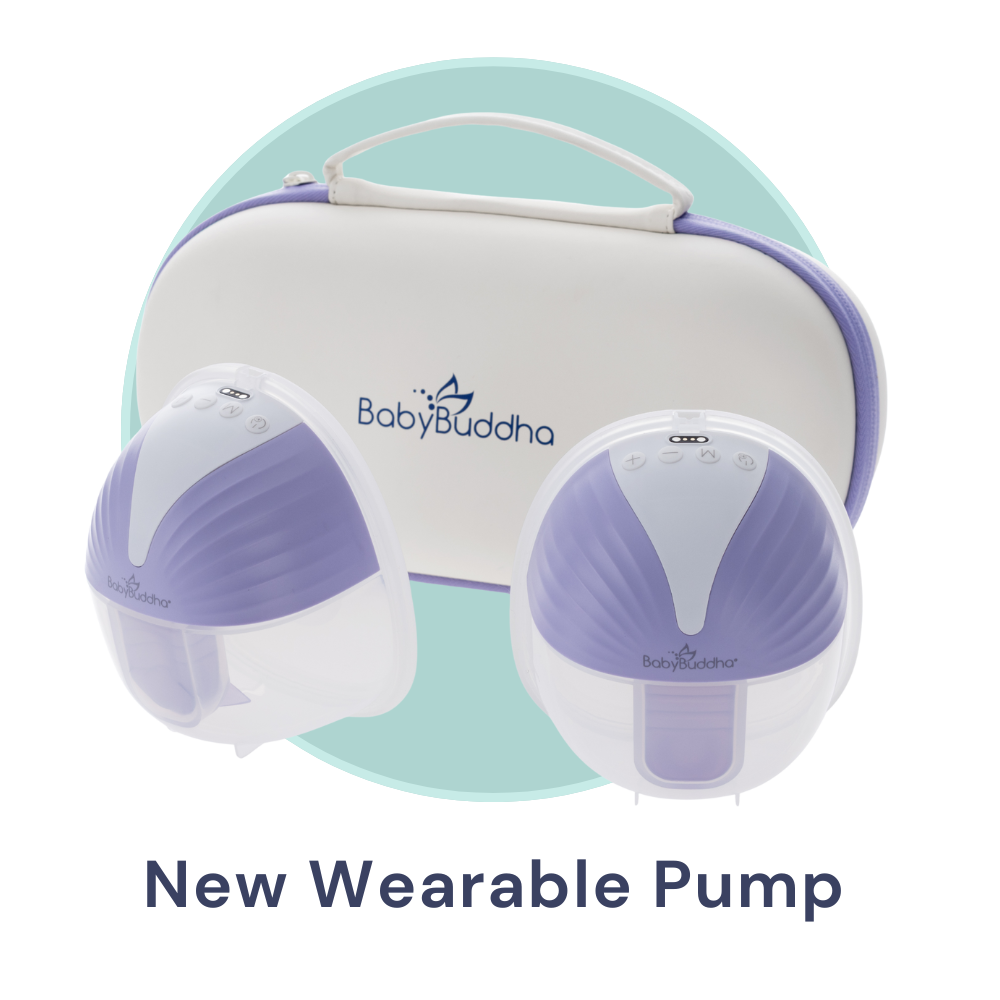


BabyBuddha 3.0 and Willow 360 support pumping away from a wall outlet, yet their designs serve different needs. BabyBuddha 3.0 is a primary portable pump with a compact external motor. Willow 360 is a fully in-bra wearable pump with built-in motors and app controls.
The right choice comes down to pumping strength, discretion, milk collection and price. This comparison uses the current BabyBuddha 3.0 and Willow 360 product details checked in August 2026.
The Short Answer
BabyBuddha 3.0 is built for regular daily sessions and primary-pump use. It offers suction from 53 to 315 mmHg, four pumping modes and 30 settings. Its rechargeable motor is worn with a lanyard and connects to flanges and bottles with tubing.
Willow 360 fits fully inside the bra. It offers seven suction levels up to 245 mmHg, app and Apple Watch controls and smart sensors that track milk volume. Its self-sealing bags allow pumping in any position. Reusable containers provide leak protection up to 180 degrees.
BabyBuddha 3.0 is the stronger fit for shoppers who want a lower-cost primary pump with more settings and a full sizing kit. Willow 360 suits shoppers who place the highest value on in-bra pumping, app controls and leak-proof movement.
Compare the current options on the BabyBuddha pumps page before choosing the setup that fits your routine.
Key Points
- BabyBuddha 3.0 is a primary portable pump with an external motor, lanyard, tubing, flanges and bottles.
- Willow 360 is a fully in-bra wearable with no external motor, cords or tubing.
- BabyBuddha 3.0 provides four modes, 30 settings and suction from 53 to 315 mmHg.
- Willow 360 provides seven suction levels up to 245 mmHg and automatic mode changes through Smart Suction.
- BabyBuddha 3.0 includes two 24mm flanges and ten inserts covering 13mm, 15mm, 17mm, 19mm and 21mm.
- Willow 360 includes 24mm flanges and 21mm inserts. Other insert sizes are sold separately.
- Willow 360 supports self-sealing bags or reusable containers. BabyBuddha 3.0 collects milk in reusable bottles.
- BabyBuddha 3.0 was listed at $199.99 and Willow 360 at $499.99 when prices were checked in August 2026.
What Each Pump Is Built For
BabyBuddha 3.0: A Primary Portable Pump
BabyBuddha 3.0 is designed for regular pumping and daily milk removal. The compact motor hangs from the included lanyard while the flanges and bottles connect through tubing. You can use it as a double or single electric pump.
The motor stays outside your bra. This setup gives you room to move without turning the 3.0 into a fully in-bra wearable. Shoppers who want a BabyBuddha pump that fits inside the bra can consider the separate BabyBuddha Wearable Breast Pump.
Willow 360: A Fully In-Bra Wearable
Willow 360 places the motor and milk container inside each bra cup. It has no external motor or tubing. You can control sessions through the Willow app or an Apple Watch and view estimated milk volume while pumping.
Its biggest difference is movement. Self-sealing bags allow 360-degree leak-proof pumping, including bending over or lying down. The reusable containers are leak-proof up to 180 degrees.
Suction, Modes and Pumping Control
BabyBuddha 3.0 provides adjustable suction from 53 to 315 mmHg. Its 30 settings are spread across four modes:
- Soft Stimulation with six levels
- Classic Stimulation with six levels
- Classic Expression with nine levels
- Double Drop Expression with nine levels
Double Drop Expression adds a faster pumping rhythm with the same stated suction strength as Classic Expression. The wider setting range gives users more ways to adjust comfort during a session.
Willow 360 provides seven suction levels up to 245 mmHg. Its Smart Suction feature detects letdown and switches from stimulation to expression. The app can control the pump and record session history.
Maximum suction alone doesn't predict milk output. Flange fit, comfort and pumping frequency can affect how well either pump works for an individual user.
Portability and Discretion
Both pumps run on rechargeable batteries and allow pumping away from an outlet. Their form factors create different experiences.
BabyBuddha 3.0 has an external motor worn around the neck with a lanyard. The tubing, flanges and bottles remain visible unless covered by clothing. This design keeps the motor small while supporting primary-pump use.
Willow 360 fits inside the bra. Clothing may still show the shape of the cups, but there are no external tubes or motors. Phone and Apple Watch controls also reduce the need to reach inside clothing during a session.
Milk Collection and Capacity
BabyBuddha 3.0 collects milk in reusable bottles. The box includes two bottles, storage lids and screw caps. Milk can be capped in the included bottles after pumping.
Willow 360 offers two collection methods. Its self-sealing bags hold up to four ounces per side and support pumping in any position. Reusable containers also hold four ounces per side and provide leak protection up to 180 degrees.
Willow's bags can reduce pouring after a session, though replacements create an ongoing cost. Reusable containers avoid that repeated purchase.
Flange Fit and Included Sizes
BabyBuddha 3.0 includes two 24mm EasyFit flanges. It also includes ten inserts, with two each in 13mm, 15mm, 17mm, 19mm and 21mm sizes. Users who fit the 24mm flange can use it without an insert.
Willow 360 includes two 24mm flanges and two 21mm inserts. Willow sells other insert sizes separately for users who need a different fit.
Measure both nipples before choosing a size because each side can differ. The Cleveland Clinic flange guide explains the measuring process. You can match your measurement with the BabyBuddha flange fitting guide and available flanges and inserts.
Charging and Battery Use
BabyBuddha 3.0 charges through USB-C. The product information states that a full charge takes about four hours. The box includes a USB-C charging cable.
Willow 360 uses its supplied charger. Willow states that its rechargeable battery lasts for up to five pumping sessions. Actual battery time can vary with settings and session length.
Cleaning and Daily Care
BabyBuddha 3.0 uses a closed system that keeps milk from flowing back into the tubing. Flanges, bottles, valves, diaphragms and other milk-contact parts still need cleaning after use.
Willow states that Willow 360 has two dishwasher-safe parts to clean after each session. Users who choose reusable containers will wash those parts. The self-sealing bags are single-use.
Follow each manufacturer's cleaning and replacement schedule. The CDC breast pump hygiene guidance gives general cleaning and storage steps.
Price and Insurance
BabyBuddha 3.0 was listed at a sale price of $199.99, with a regular price of $229.99, in August 2026. Willow 360 was listed at $499.99 during the same check. Prices, discounts and availability can change.
Insurance benefits can reduce the amount paid for either pump. Coverage depends on the plan, supplier and available pump allowance. Federal guidance says most health plans must cover breastfeeding support and equipment. Check the current rules on HealthCare.gov.
BabyBuddha shoppers can check available suppliers and plan requirements on the BabyBuddha insurance page.
Pumping at Work and Away From Home
Willow 360 offers more in-bra discretion during meetings, commutes and other public settings. Its leak-proof bags also support more movement.
BabyBuddha 3.0 offers primary-pump strength in a smaller package than many standard electric pumps. The lanyard and rechargeable motor make it easier to carry between rooms or pack for work.
Eligible employees have federal rights to reasonable break time and a private pumping space under the PUMP Act. The Office on Women's Health also explains workplace pumping support.
BabyBuddha 3.0 vs Willow 360 Side by Side
| Feature | BabyBuddha 3.0 | Willow 360 |
|---|---|---|
| Pump type | Primary portable pump | Fully in-bra wearable pump |
| Motor placement | External motor worn with a lanyard | Motor sits inside each bra cup |
| Stated suction | 53 to 315 mmHg | Up to 245 mmHg |
| Modes and levels | Four modes and 30 settings | Seven suction levels with Smart Suction |
| Included sizing | 24mm flanges plus 13mm, 15mm, 17mm, 19mm and 21mm inserts | 24mm flanges plus 21mm inserts |
| Milk collection | Reusable bottles | Self-sealing bags or reusable containers |
| App controls | No | Phone and Apple Watch |
| Charging | USB-C | Willow charger |
| Listed price in August 2026 | $199.99 sale price | $499.99 |
| Best suited for | Regular daily pumping, setting choice and lower upfront cost | In-bra discretion, app controls and leak-proof movement |
Choosing Between BabyBuddha 3.0 and Willow 360
Choose BabyBuddha 3.0 if you need a primary pump for regular daily sessions. It offers a broad suction range, 30 settings and a full EasyFit sizing kit at a lower listed price.
Choose Willow 360 if a fully in-bra design and leak-proof movement lead your list. Its app controls, milk tracking and self-sealing bags support discreet pumping with fewer external parts.
Shoppers who want a fully in-bra BabyBuddha option should compare the BabyBuddha Wearable Breast Pump. It is a separate secondary pump made for hands-free sessions inside the bra.
Review the BabyBuddha 3.0 features, compare the BabyBuddha pump lineup and check your insurance options before deciding.