
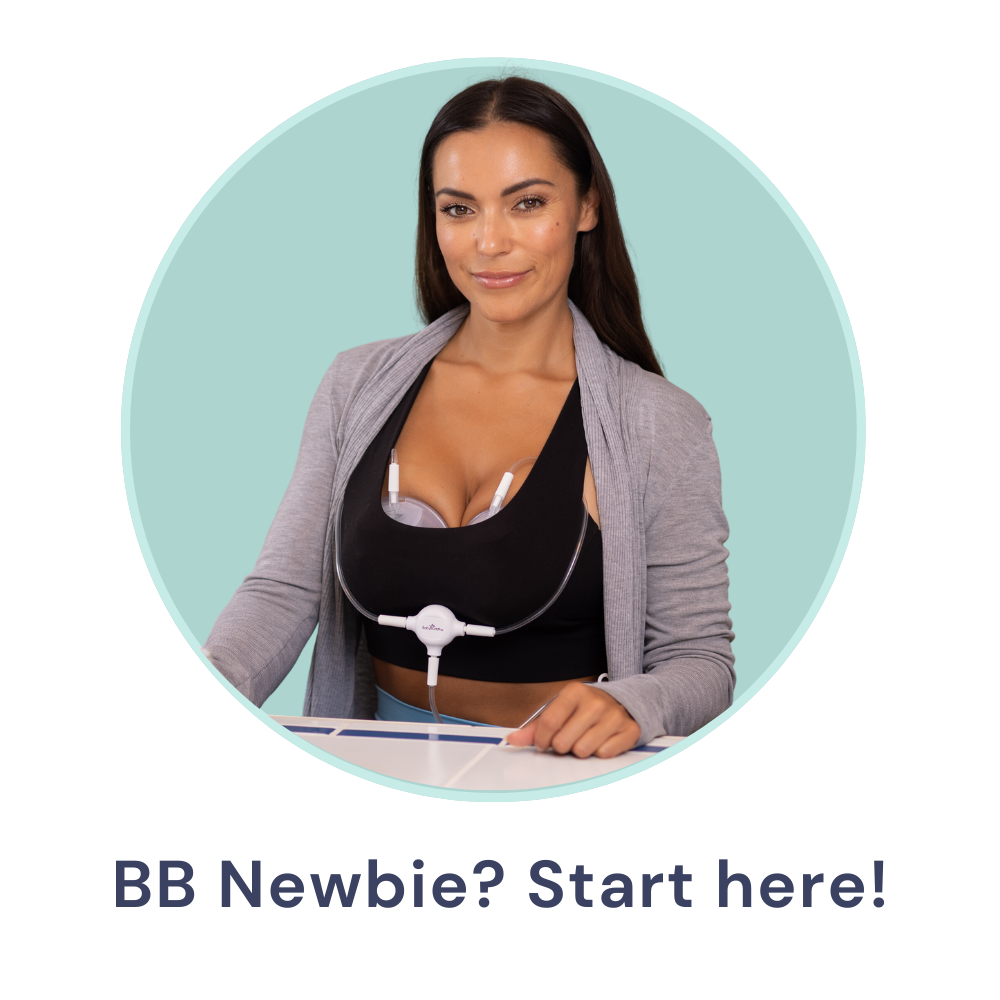

The breast pump decision feels enormous when you are pregnant for the first time. Every brand promises hospital-grade output, a quiet motor, and a life-changing experience, which is not all that helpful when you are trying to compare. The honest framing is that there are three real categories of breast pumps (manual, portable electric, and wearable), and the right one for you depends on your daily routine, not on which brand has the slickest ad.
At BabyBuddha, we talk to first-time moms every day who feel paralyzed by the choice. The pump that solves the most problems for first-time moms turns out to be a portable electric, with a small backup for the days the main pump is not nearby.
This guide walks first-time moms through the three categories, what insurance covers under the Affordable Care Act, when to start using your pump, and the questions to ask yourself before ordering.
Also Read
- Primary vs Wearable Breast Pump: How to Choose the Right Pump
- How to Choose a Breast Pump
- Best Breast Pumps of 2026: Mom-Tested, Expert-Approved Guide
In Short
Most first-time moms end up wanting a hospital-grade portable electric pump as their primary, with either a manual pump or a hands-free wearable as a backup. Insurance covers one pump per pregnancy at no out-of-pocket cost under the ACA, including most wearable models. Start ordering around 30 weeks pregnant. Wait until breastfeeding is established (around 4 to 6 weeks postpartum) to start regular pumping unless your situation requires earlier use.
Key Points
- There are 3 main pump types: manual, portable electric, and wearable. Each fits a different use case, and most first-time moms benefit from owning two of the three.
- Most first-time moms get the most use from a primary portable electric pump. If you need a fully in-bra option for work or travel, treat a wearable as a separate pump type.
- Insurance covers one pump per pregnancy at no cost under the ACA, through Durable Medical Equipment providers like Aeroflow, Byram, 1 Natural Way, and Edgepark.
- Order your pump around 30 weeks pregnant. That gives the pump time to arrive and you time to learn it before delivery.
- Wait until 4 to 6 weeks postpartum to start regular pumping if breastfeeding is going well. Earlier is fine if you are returning to work, exclusively pumping, or your baby is in the NICU.
- Flange fit matters more than the pump. Even the best pump underperforms with the wrong flange size.
- Closed-system pumps prevent mold and last longer. Look for "closed system" on every pump you consider.
- Suction range, modes, and battery life matter more than max suction alone.
Get your first pump through insurance at no cost. Most insurance plans cover one breast pump per pregnancy under the ACA, and BabyBuddha is covered through every major DME provider. Check your BabyBuddha insurance coverage .

The 3 Main Types of Breast Pumps
Manual Breast Pumps
A manual pump is hand-operated. You squeeze a handle to create suction, and the pump pulls milk into a small attached bottle.
The pros are real: inexpensive (typically $30 to $50), no battery to charge, virtually silent, and easy to throw in a diaper bag for emergencies. The cons are also real: slow, hand-fatiguing for regular use, and only pumps one side at a time. The best fit is as a backup pump for travel, occasional relief pumping, or for moms who only need to pump once or twice a week.
In real life, most pumping moms keep a manual in the car, the diaper bag, or the office desk drawer for the days they forget the electric pump.
Portable Electric Breast Pumps
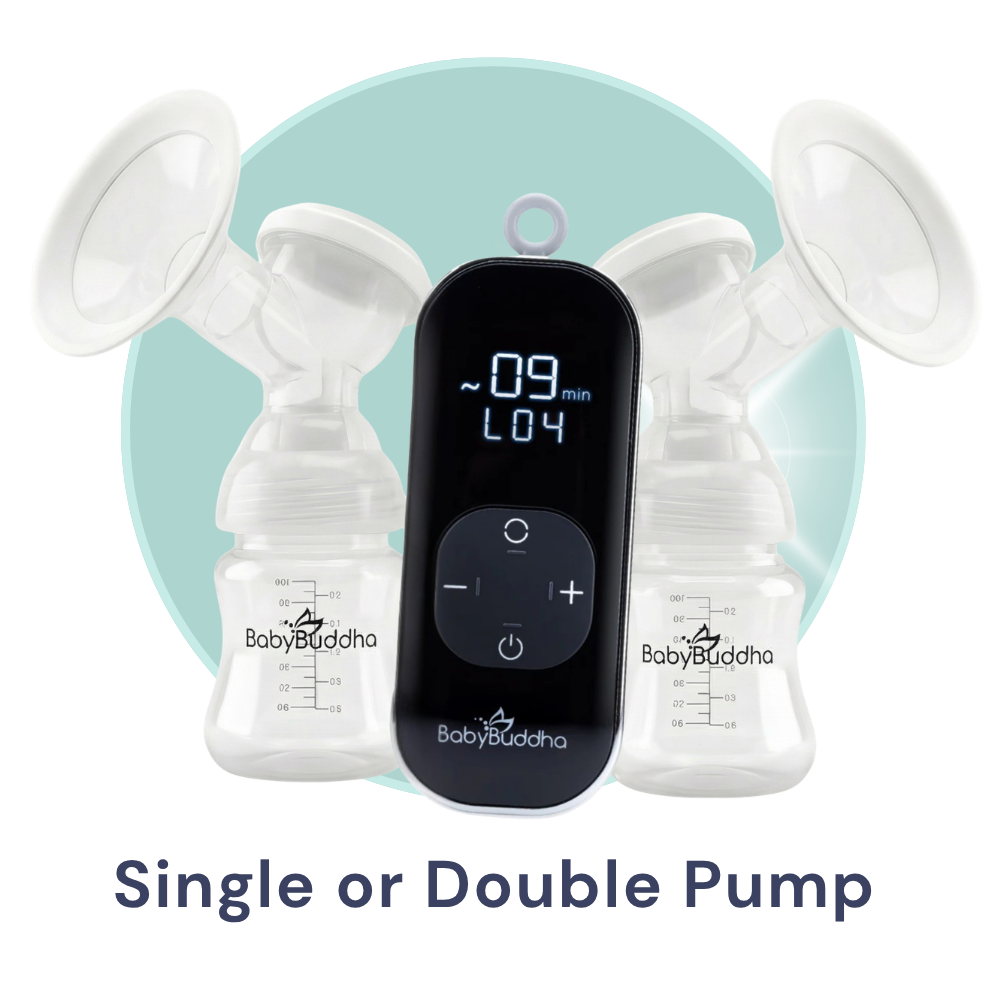
A portable electric is a small motor unit, often pocket-sized, that uses short tubing to connect to flanges or hands-free collection cups. It is battery-powered, usually USB-C rechargeable, and built to go anywhere.
This category is where most first-time moms land, and for good reason. The pros are hospital-grade suction, double-pump capability, multiple modes for stimulation and expression, long battery life, quiet operation, and the ability to work at home and on the go from the same device. The cons are cost ($150 to $400 retail before insurance) and a bit of assembly.
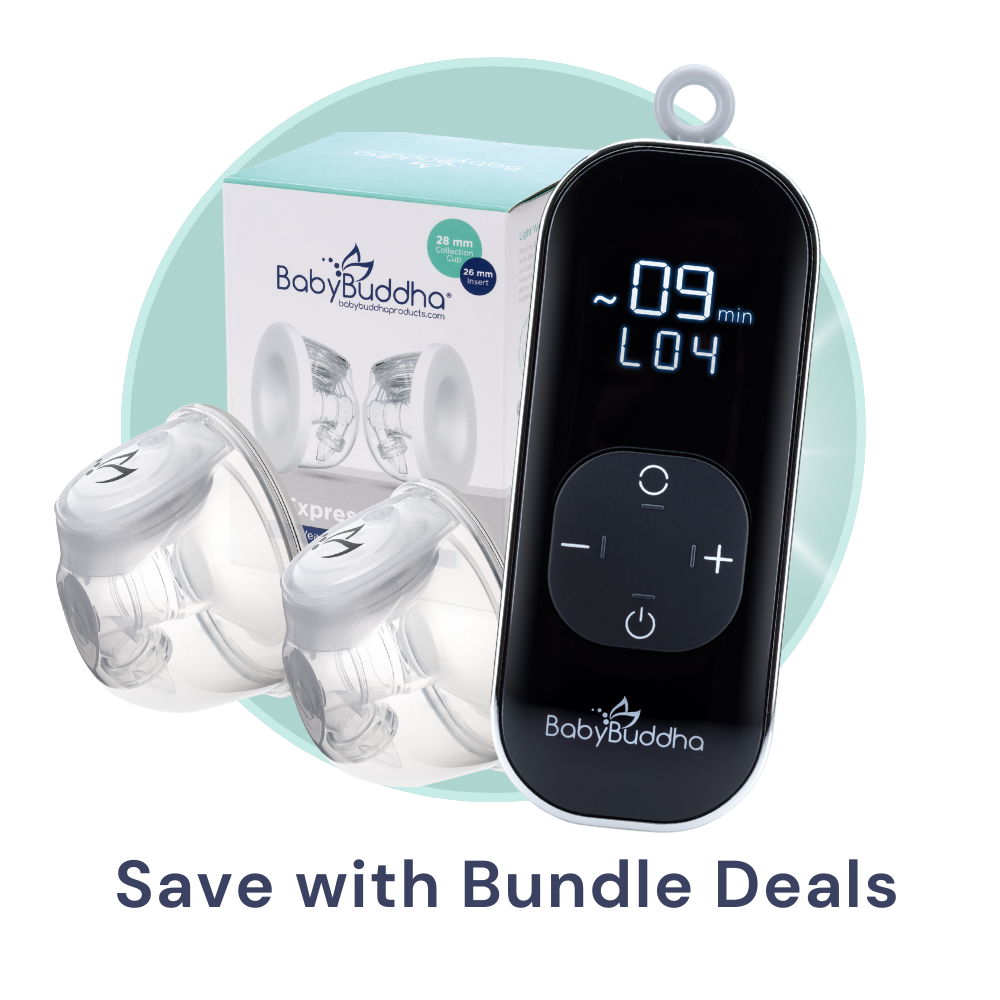
BabyBuddha 3.0 is a primary portable pump with a compact external motor. The BabyBuddha Wearable Breast Pump is a separate fully in-bra option.
Wearable Breast Pumps (In-Bra)
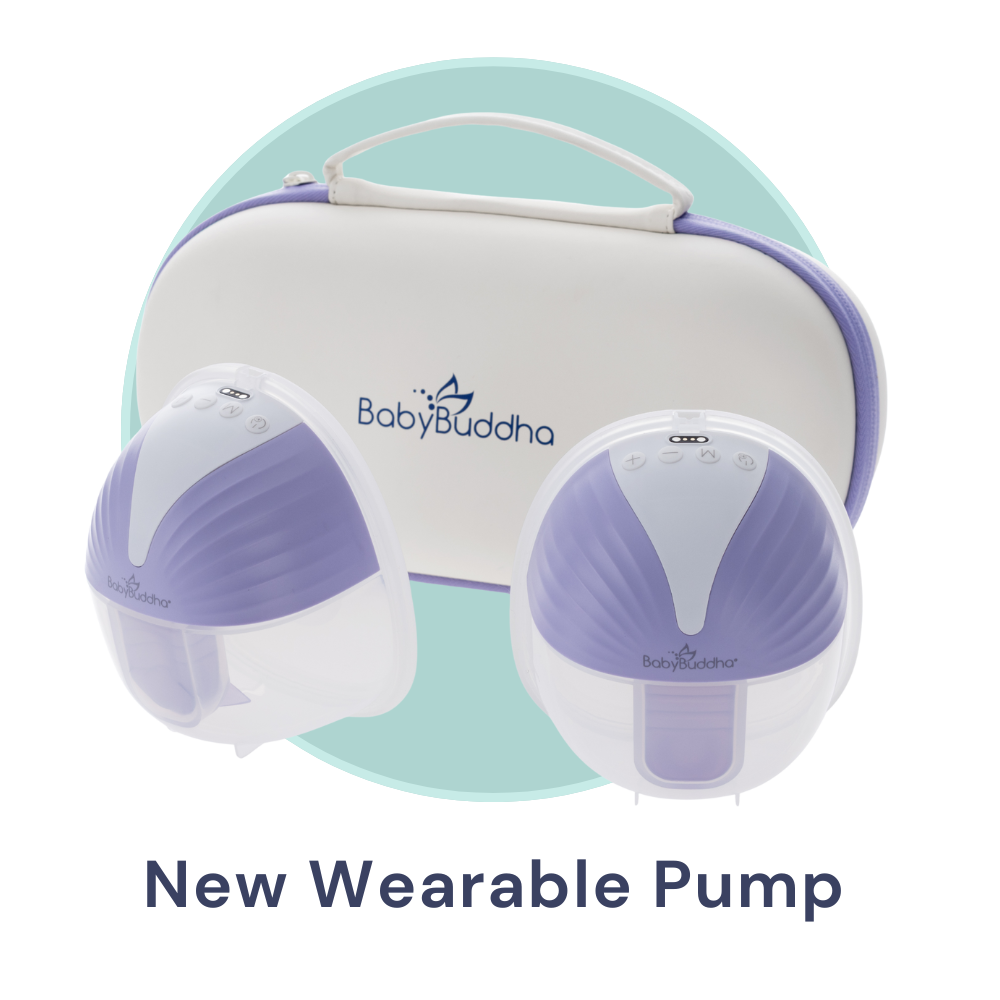
A wearable is a self-contained pump-plus-cup unit that sits entirely inside a bra. There is no tubing, no separate motor, and no visible setup.
The pros are total discretion, true hands-free pumping, and the ability to keep working through a Zoom meeting or a long drive. The cons are generally lower output than a portable electric, smaller battery, higher price (often $250 to $400+), and a noticeable shape under fitted clothing.
The best fit is moms who need to pump in situations where they cannot pause or set up a separate pump (executive meetings, driving long distances, working a job that does not allow visible pumping). The honest read is that a wearable is best as a second pump alongside a primary portable electric, not usually as a sole pump for exclusive pumping moms.
How Insurance Covers Your Breast Pump
The Affordable Care Act requires most insurance plans to cover one breast pump per pregnancy with no cost-sharing. That means no copay, no deductible, no out-of-pocket cost for a medically necessary pump. Coverage usually includes both rental and purchase, and extends through your child's first year.
Here is the practical playbook:
Verify coverage. Search your plan for "breast pump" or "lactation equipment" or call your insurance provider directly.
Get a prescription from your OB/GYN or midwife. Most DME suppliers will request the prescription directly from your doctor.
Order through a DME provider like Aeroflow, Byram, 1 Natural Way, or Edgepark. They handle paperwork and shipping.
Order around 30 weeks pregnant. Most plans allow ordering from 6 months before to 6 months after birth.
There is one catch. Some plans only fully cover a baseline model and require an upgrade fee for higher-end pumps. Ask up front about the "no upgrade" option vs. the upgrade options available. BabyBuddha is covered under the ACA mandate and available through all major DME providers, including direct ordering through the BabyBuddha insurance page .

When Should You Start Using Your Pump?
If breastfeeding is going well and baby is healthy, wait until 4 to 6 weeks postpartum to start regular pumping. Starting too early can cause oversupply or nipple confusion.
If you need to be separated from baby (NICU, work travel, latch issues), start within the first 24 to 48 hours, often with hand expression in addition to pumping. The American Academy of Pediatrics recommends early and frequent expression in these situations to establish supply.
If you are returning to work, start practicing with your pump 2 to 3 weeks before your return date so you build a small freezer stash and learn how the pump works.
If you are exclusively pumping by choice or necessity, start within the first 24 to 48 hours and build a schedule of 8 to 10 sessions per 24 hours, including overnight.
The general rule is that once breastfeeding is established, your supply is stable, and you understand your baby's hunger cues, pumping becomes a tool you can use as needed rather than a routine you have to grind through.
Make flange fit the easiest part of getting started. BabyBuddha 3.0 includes the EasyFit Kit with two 24mm flanges and ten inserts, two each in 13mm, 15mm, 17mm, 19mm and 21mm sizes. See the BabyBuddha 3.0 with EasyFit Kit.
Questions to Ask Before Choosing Your Pump
A few honest questions will narrow your decision faster than reading reviews.
How often will I pump? Daily equals electric. Once a week equals manual is fine.
Where will I pump most? Mostly at home equals stationary or portable both work. On the go equals portable electric or wearable.
Will I pump at work? A primary portable pump works well when you can use external flanges and bottles. Choose a fully in-bra wearable when discretion matters more.
What is my budget after insurance? The ACA covers one baseline pump. If you want to upgrade, expect $50 to $150 out of pocket depending on the model.
Do I want one pump or two? Many moms use a primary portable pump for regular sessions and add a wearable only when they need a fully in-bra option.
What is my flange size? Use a sizing guide before ordering. Most pumps ship with 24 mm flanges, which fit fewer than half of pumping moms. The BabyBuddha flange fitting guide walks through how to measure at home.
How BabyBuddha Fits the First-Time Mom
BabyBuddha 3.0 is the current primary portable electric pump. It provides adjustable suction from 53 to 315 mmHg, four pumping modes and 30 settings. The rechargeable external motor is worn with the included lanyard and charges through USB-C.
BabyBuddha Wearable is a separate fully in-bra pump for moms who need more discretion. It offers a large cup capacity, 30 settings, magnetic charging and more than two hours of pumping time per charge.
The EasyFit Kit included with BabyBuddha 3.0 contains two 24mm flanges and ten inserts, two each in 13mm, 15mm, 17mm, 19mm and 21mm sizes. The BabyBuddha pump line is available through major DME providers and directly through the BabyBuddha insurance page. Free Certified Lactation Specialist consultations are included with every pump, giving first-time moms added support during the early weeks.
If you are new to breastfeeding and want a single overview of how all of this fits together, the BabyBuddha new-to-breastfeeding hub is the place to start.
6 Pump-Buying Truths Every First-Time Mom Should Know
A reference card for the pump conversation:
- Portable electric is the workhorse. It covers home, work, car, and travel.
- A backup pump pays for itself the first time you forget the main one. Manual or wearable, either works.
- Insurance covers one pump per pregnancy. Use the benefit.
- Order at 30 weeks. It gives time for shipping plus learning.
- Flange size matters more than pump brand. Measure first.
- Closed-system equals fewer cleaning headaches. Make it a non-negotiable.
Choosing Your First Breast Pump
The right pump fits the routine you expect to follow. For many first-time moms, that means a primary portable electric pump like BabyBuddha 3.0 and a manual pump kept nearby for occasional use.
BabyBuddha offers separate pumps for different needs. BabyBuddha 3.0 is made for regular daily pumping with a compact external motor. The BabyBuddha Wearable provides a fully in-bra option for work, errands and other situations that call for more discretion. Free IBCLC consultations give first-time moms expert support during the early weeks.
Get your first BabyBuddha pump through insurance at no cost. Insurance covers one pump per pregnancy under the ACA. Check coverage at the BabyBuddha insurance page , or browse the full BabyBuddha pump lineup .