


The honest answer to "how much are breast pumps" is that most parents in the United States pay nothing for the pump itself, and then get surprised by everything around it. Knowing the cost of replacement parts or accessories changes how you should plan.
Three things decide your number: what your health plan covers, which pump format your routine actually needs, and how many replacement parts you go through over a year of pumping. The sticker price is usually the least important of the three, which is why price-comparison articles that stop at the tag tend to leave people short. At BabyBuddha, we hear this question constantly from parents shopping for a pump before checking their insurance coverage, which is almost always the wrong order.
Also Read
- Breast Pump Prices: What You Actually Pay (Insurance vs Out-of-Pocket)
- How to Get Breast Pumps Covered by Insurance: A Step-by-Step Guide
- Order a Breast Pump Online: Choose Your Pump and Checkout Options
Takeaway
Most U.S. health plans are required to cover a breast pump with no cost sharing, so the realistic answer for many parents is $0 for the pump and a few hundred dollars a year for everything else. Buying outright, manual pumps run roughly $15 to $40 and electric pumps commonly run about $50 to $400 at major retailers, with wearables clustering at the top of that band. People often underestimate the cost of replacement parts, a second pump for the workday, and the upgrade fees plans charge when the model you want isn't in stock.
Key Points
- Federal law requires coverage. Section 2713 of the Public Health Service Act, added by the ACA, makes breastfeeding equipment and support a covered preventive service with no cost sharing on non-grandfathered plans.
- "Covered" isn't the same as "your choice." Plans set their own rules on rental versus purchase, manual versus electric, which supplier you use, and whether you get it before or after birth.
- You don't have to fail with a manual pump first. Federal guidelines specifically name double electric pumps.
- Manual pumps run roughly $15 to $40, and electric pumps about $50 to $400 at mass retail, though the low end is often a wearable temporarily discounted from a much higher list price.
- Rentals are billed weekly or monthly, and every renter has to buy a new accessories kit.
- Breast pumps are FSA- and HSA-eligible. The IRS classified them as medical care back in 2011.
- Replacement parts are the recurring cost, and no federal rule sets how often your plan has to cover them.
Start Here: Your Plan Probably Covers a Pump
Section 2713 of the Public Health Service Act, added by the Affordable Care Act, requires non-grandfathered plans to cover women's preventive services without any cost sharing, as the U.S. Department of Labor explains in its implementation guidance. The federal women's preventive services guidelines maintained by HRSA then spell out what that includes: "double electric breast pumps (including pump parts and maintenance) and breast milk storage supplies."
In plain terms, HealthCare.gov states that your plan must cover the cost of a breast pump, and that it may be either a rental unit or a new one you keep. Coverage also lasts as long as you're breastfeeding, not just the first few weeks. Federal guidance from CMS confirms that lactation support and the cost of renting or buying equipment "extends for the duration of breastfeeding."
What "covered" does not guarantee is choice. HealthCare.gov is explicit that plans may set guidelines on whether the covered pump is manual or electric, how long a rental lasts, and when you receive it. Zero cost typically applies only when you go through an in-network supplier, so the supplier list is worth checking before the pump list.
A few groups fall outside these protections. Grandfathered plans are not required to offer free preventive care, and short-term plans generally sit outside the rules entirely. Medicaid varies by state: in a 2021 KFF survey of 41 states and the District of Columbia, all but five covered electric pumps, 32 covered manual pumps, and nine required prior authorization for at least one pump type.
Check your coverage before you check out. Most plans cover a pump at no cost, and it takes a few minutes to find out. See how BabyBuddha works with insurance.

What Each Budget Tier Buys You
Under $50: manual pumps and backups. Roughly $15 to $40 for a mainstream manual pump. It's hand-powered, silent, and no batteries. It's perfect for occasional relief, travel, or a clogged-duct emergency. Not so great as your only pump if you're pumping several times a day.
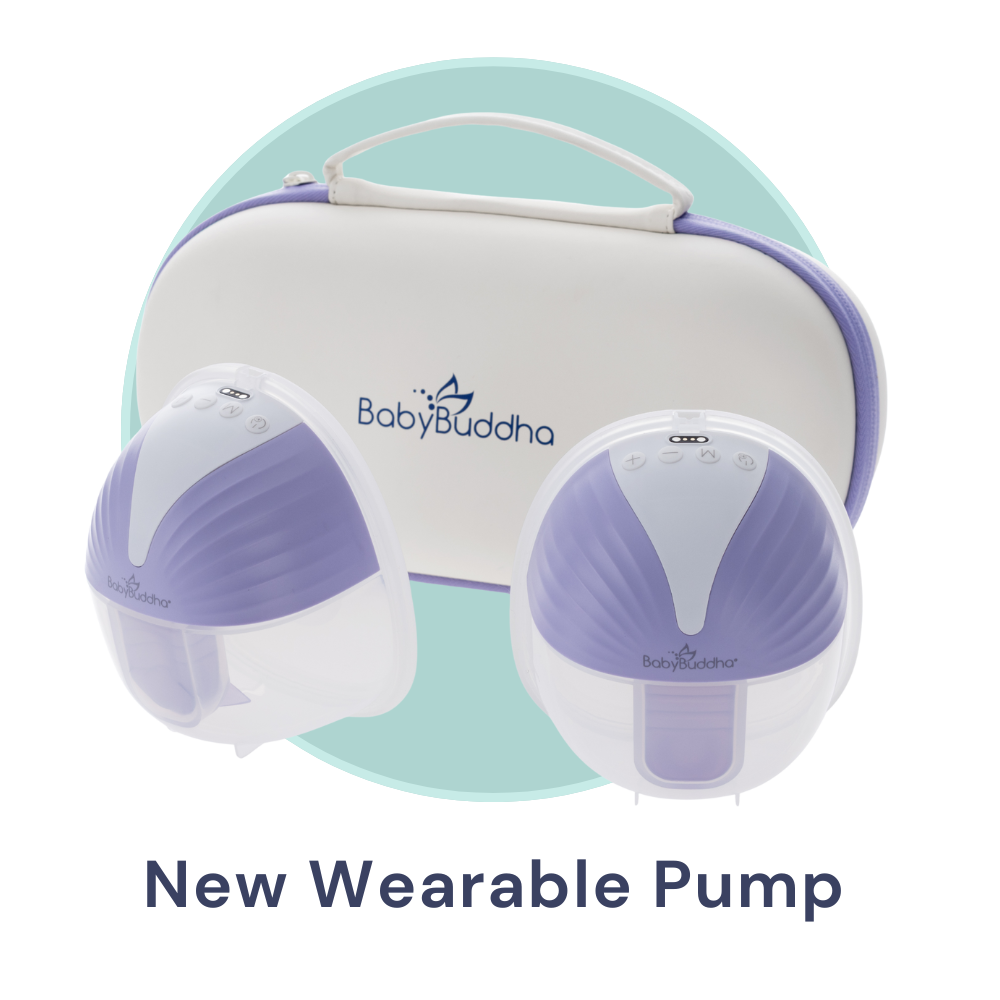
$50 to $150: entry electric. The bottom of the electric band at mass retail. Be careful in this tier, because pumps discounted to this level are frequently wearables temporarily marked down from list prices two or three times higher, which makes the tier less stable than it looks.
$150 to $250: primary portable pumps. Most parents land here when buying outright, and the BabyBuddha 3.0 sits at $199.99 on sale and $229.99 regular as of August 2026. At this tier, you should expect multiple pumping modes, a real suction range, and ideally a flange sizing kit included rather than sold separately.
$250 to $400: premium wearables and multi-pump setups. The top of the mass retail band, usually bought for mobility rather than output.
Rentals: billed by the week or month. Hospitals, lactation consultants, and specialty suppliers rent multi-user pumps, and the FDA notes each renter is required to buy a new accessories kit that includes breast shields and tubing. One published example: UCSF lists $30 per week or $100 per month plus tax, with a $50 deposit charged at rental and refunded if the pump comes back clean and undamaged. Rates vary widely by provider.
The Costs That Don't Show Up on the Price Tag
Replacement parts, and the honest answer on frequency. Federal guidelines cover pump parts and maintenance, but no federal rule sets a replacement interval. Your plan decides. Duckbill valves and diaphragms wear out first, and a worn valve is the most common reason a pump seems to be losing suction when the motor is fine. Buying them individually from a parts collection costs a few dollars; replacing the pump costs a few hundred.
Flanges and inserts. Fit isn't cosmetic. A 2025 pilot study in the Journal of Human Lactation found that smaller-fit flanges of 13 to 19mm produced more milk per session than standard 21 to 24mm sizes, with average yield rising from 138.2 grams to 153.2 grams and comfort ratings improving alongside it. If your pump does not ship with a range of flanges and inserts, the right size becomes a separate purchase.
The second pump. The PUMP Act requires most employers to provide break time for one year after birth and a private space that's not a bathroom, according to the U.S. Department of Labor. Plenty of parents buy a second pump rather than carry one back and forth, and that decision often blows the budget.
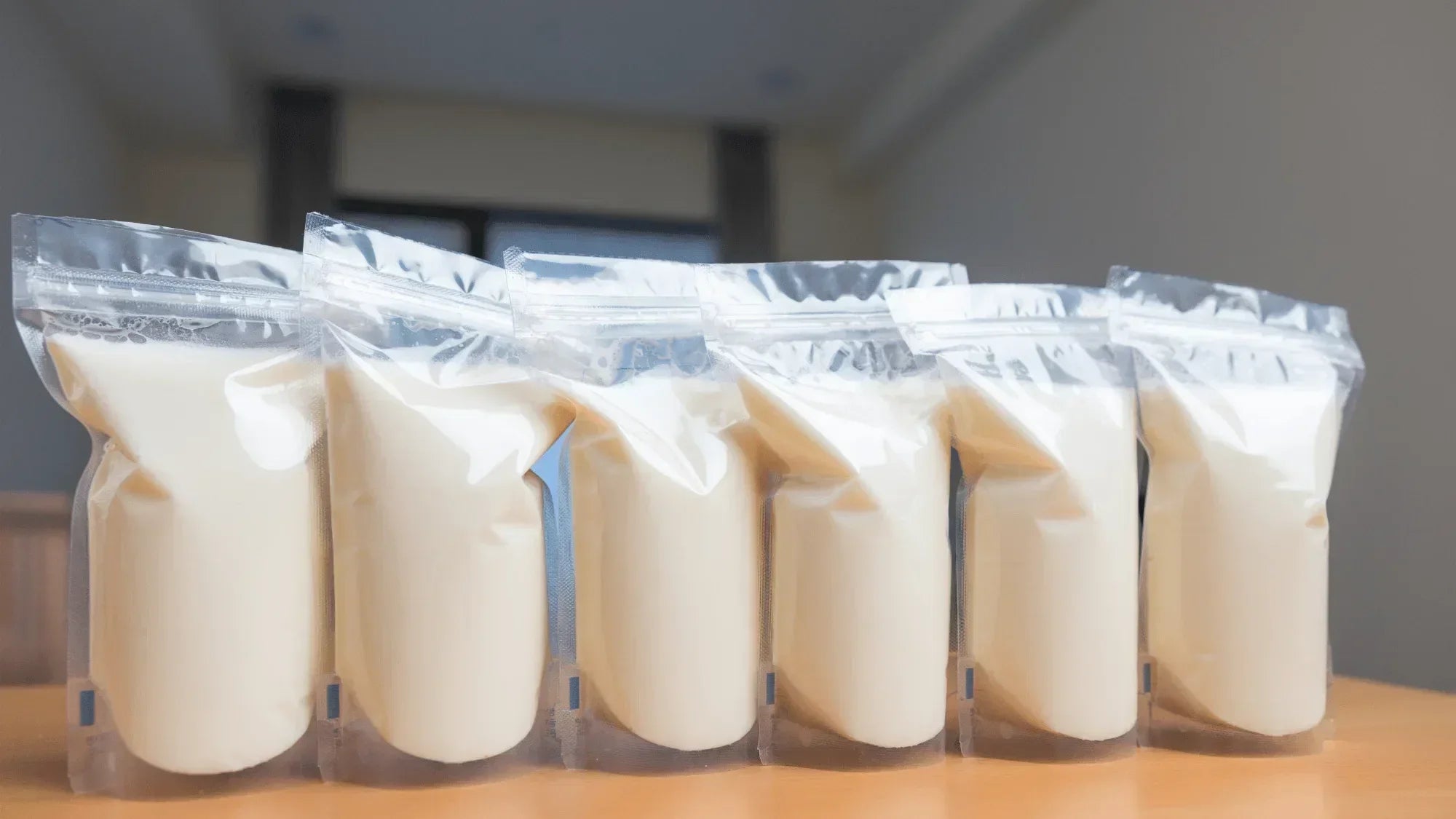
Milk storage, in bags or bottles, plus freezer space you may not have planned for.
The upgrade fee. When your plan's stocked model isn't the one you want, most suppliers let you pay the difference. This is the most common way a free pump becomes a $50 to $150 pump.
Paying With Pre-Tax Dollars
Breast pumps count as medical care. IRS Announcement 2011-14 classified breast pumps and supplies that assist lactation as medical care under Section 213(d), which is the ruling that makes everything below possible.
That classification makes them account-eligible. They can be reimbursed through an FSA, HSA, HRA, or Archer MSA, and the same announcement confirms those reimbursements are not treated as taxable income.
This is also the lever for upgrade fees. If your plan's covered model isn't the one you want, the difference you pay is typically an eligible expense, and so are the recurring costs: replacement parts, flanges and storage supplies generally qualify. Account rules do vary, so confirm with your plan administrator rather than assuming.
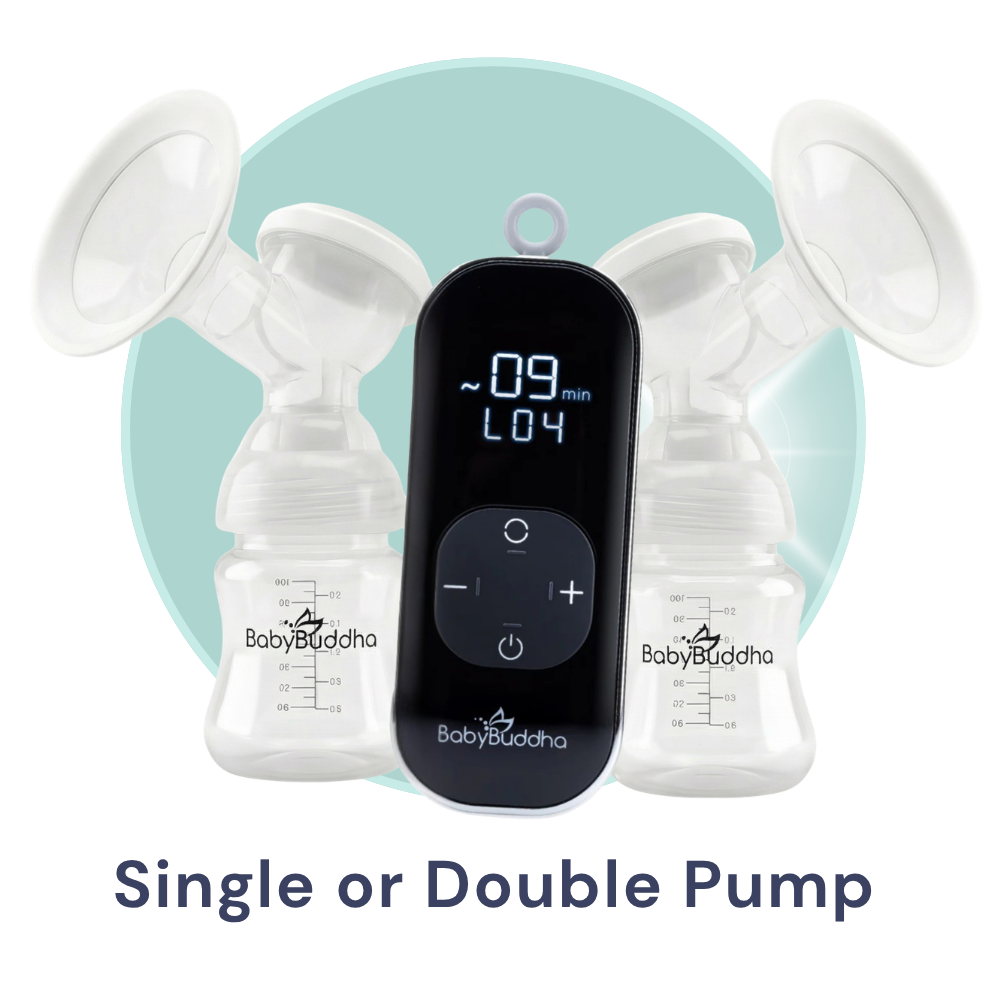
One pump that covers two jobs costs less than two pumps. The BabyBuddha 3.0 runs with bottles for a seated session and with collection cups in your bra. Compare BabyBuddha pumps.
The Budget Cheat Sheet
| Your situation | Budget for the pump | Budget beyond the pump |
|---|---|---|
| ACA plan, happy with the stocked model | $0 | Parts, storage, flanges |
| Covered, but you want a specific model | Upgrade fee, often $50 to $150 | Parts, storage, flanges |
| Grandfathered, short-term, or uninsured | $15 to $40 manual, or $150 to $250 portable | Parts, storage, flanges |
| Returning to work | Primary pump plus a second-pump decision | Cooler, workplace supplies, extra parts |
| Exclusively pumping | Primary portable pump | Highest parts turnover of any scenario |
| Short-term or NICU need | Weekly or monthly rental | New accessories kit with each rental |

How BabyBuddha Fits Your Budget
Start with coverage, not with a cart. BabyBuddha works with the major insurance suppliers, and checking what your plan covers takes a few minutes at the front of the process instead of a refund request at the back.
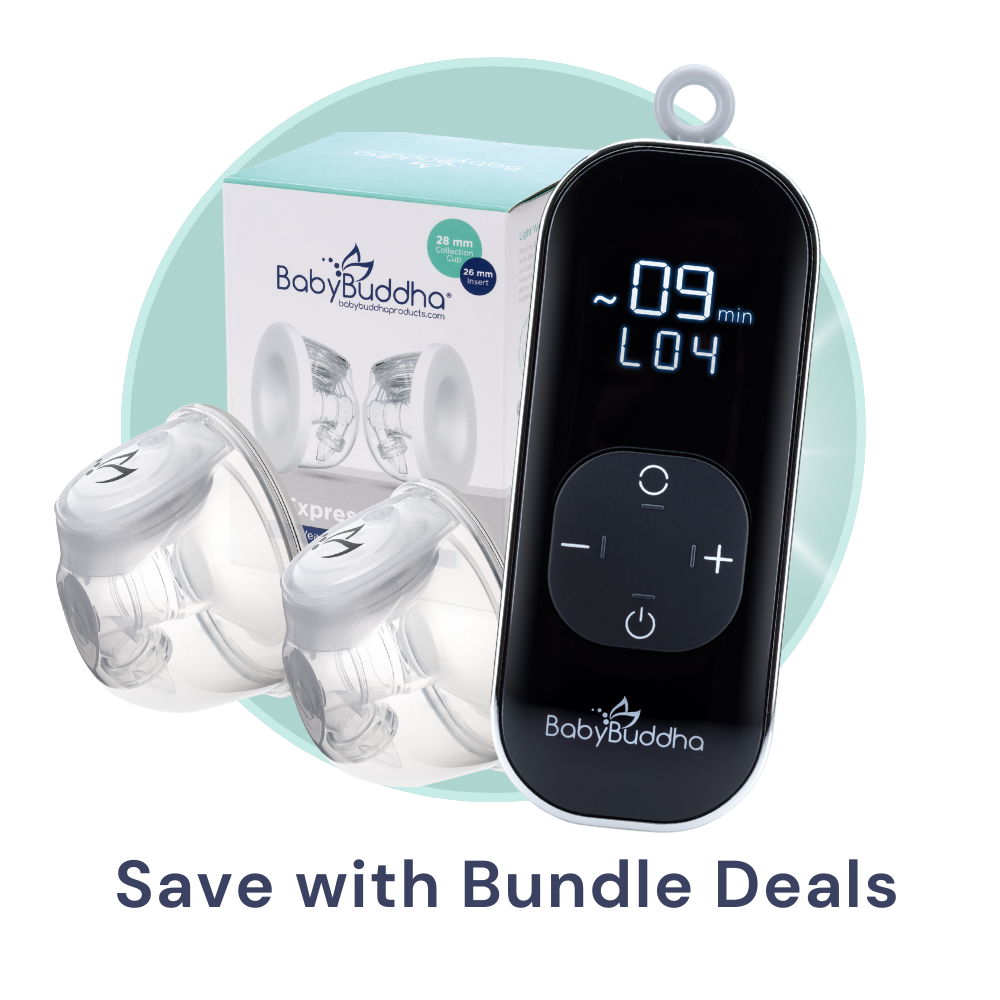
One pump instead of two is the next lever. The BabyBuddha 3.0 runs with bottles for a seated session and with hands-free collection cups in your bra, which removes the most common reason parents end up buying a second pump. Sizing is included rather than sold separately: the 3.0 ships with a flange kit covering 13mm to 24mm plus a sizing ruler.
The BabyBuddha manual pump covers travel, emergencies, and clogged ducts at $24.99 on sale as of August 2026, without a second electric purchase. Spare duckbill valves and diaphragms are sold separately, so replacing a worn part costs only a few dollars. And because upgrade fees are usually FSA- and HSA-eligible, choosing the model you actually want costs less than the sticker difference suggests.
Common Questions About Breast Pump Costs
Is a breast pump really free with insurance? For most non-grandfathered plans, yes, with no cost sharing when you use an in-network supplier. Your plan still decides which models it stocks, whether it rents or purchases them, and when you receive them.
Can I use my FSA or HSA for a breast pump? Yes. The IRS classified breast pumps and lactation supplies as medical care in 2011, making them eligible for FSA, HSA, HRA, and Archer MSA reimbursement, along with parts and storage supplies.
How much does it cost to rent a breast pump? Rentals are billed weekly or monthly and vary by provider. UCSF's published rates are $30 per week or $100 per month plus tax, with a $50 deposit. Every renter also buys a new accessories kit.
What does a breast pump actually cost over a year? Budget for the year, not the purchase. Even at $0 for the pump, plan for replacement valves and diaphragms, a flange size that fits, storage supplies, and possibly a second setup for work.
Conclusion
The number most people want when they ask how much breast pumps cost is the sticker price, and that turns out to be the least useful number in the equation. For most insured parents, the pump is free, and the yearly cost isn't. For uninsured parents, the pump is a few hundred dollars, and the yearly cost is still the bigger line item.
So budget for the year, not the purchase. Check your coverage first, choose the format that matches where and how you'll actually pump, and set aside a little for the parts that wear out. That order will cost less than shopping by price tag, and it'll leave you with a pump you actually want to use.
Find out what your plan covers before you spend anything. Most U.S. plans cover a breast pump at no cost to you, and BabyBuddha works with the major suppliers. Check your coverage.