

Most parents who pump can get what they need from our 2.0 design. But we've added more options to ensure the fit, suction, and rhythm meet every breast-pumping need.
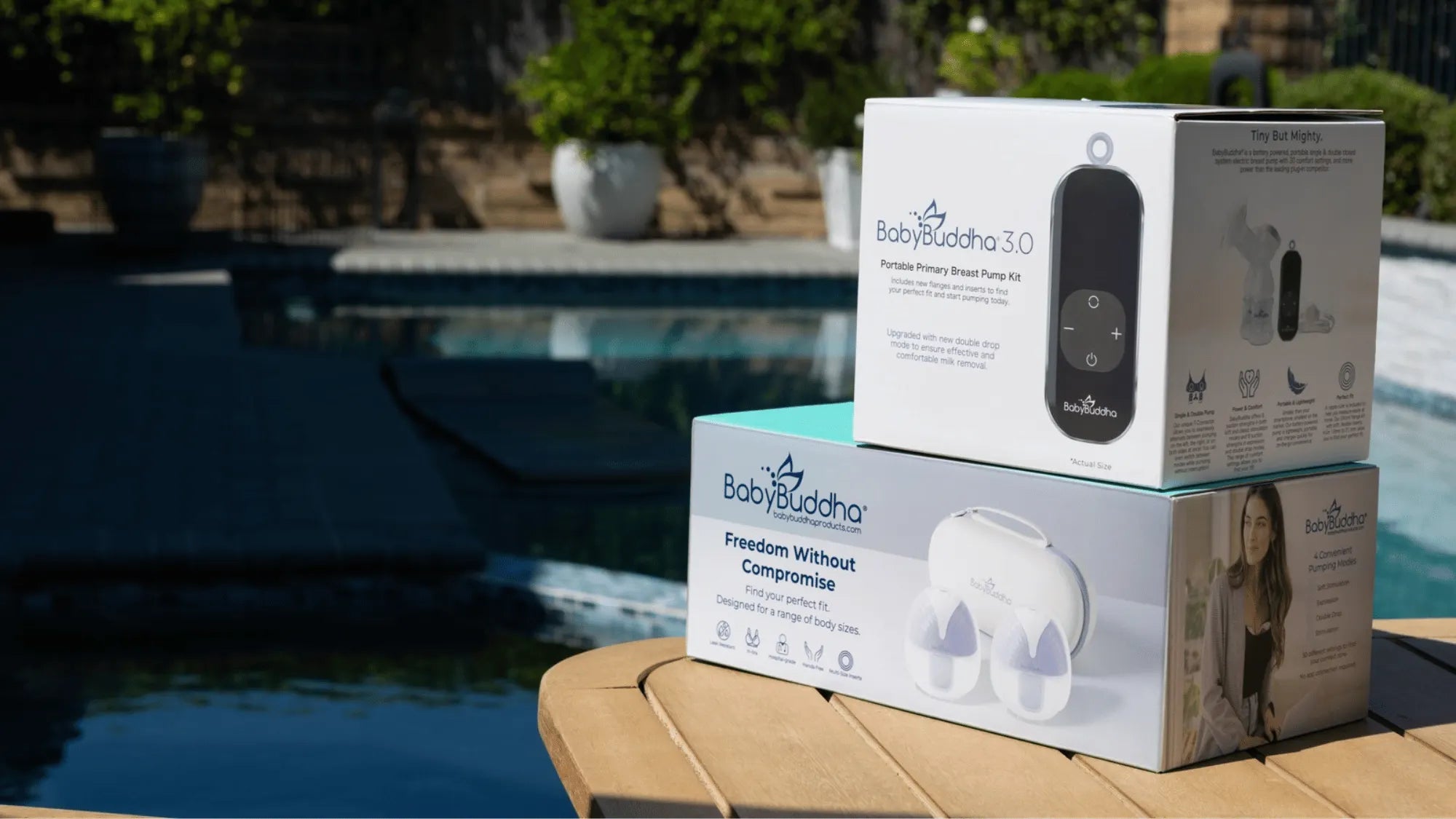
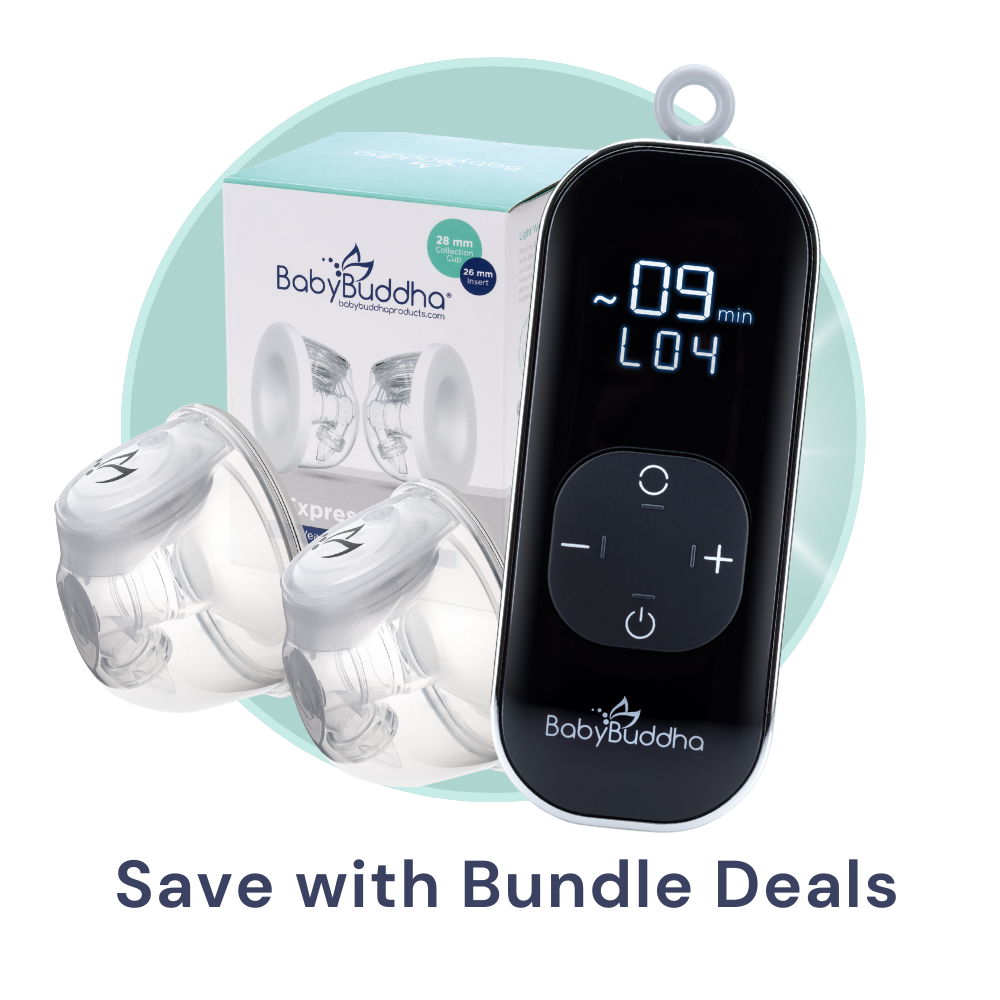
Introducing the BabyBuddha 3.0. It takes everything great about the 2.0 and adds even more features, replacing the 2.0 in our lineup. It keeps the pocket-sized body and hospital-strength suction the 2.0 was known for. It adds a fourth pumping mode called Double Drop Expression, borrowed from the mode moms already love on our wearable pump. Every 3.0 still ships with a complete EasyFit sizing kit, and the mode dial went from 21 settings to 30.
Also Read
- Baby Buddha Pump Settings: Modes, Suction Levels & How to Use Them
- Flange Inserts: How to Get the Right Fit for Your Breast Pump
- Primary vs Wearable Breast Pumps: How to Choose the Right Pump for You
In Summary
The BabyBuddha 3.0 is our biggest pump update yet and now replaces the 2.0. It runs four modes with 30 total comfort settings, including the new Double Drop Expression mode that cycles faster than Classic Expression at the same suction strength. Suction ranges from 53 to 320 mmHg. Every pump still ships with two 24mm EasyFit flanges, ten sizing inserts covering 13mm through 21mm, and a sizing ruler, so most parents can find their fit on day one without a second order. It carries a two-year limited warranty and sells for $199.99 on sale, $229.99 regular, as of August 2026.
Key Points
- A fourth mode is the headline. Double Drop Expression delivers more cycles per minute at the same suction strength as Classic Expression, filling the rhythm gap between stimulation and expression.
- Thirty settings instead of twenty-one. Soft Stimulation 1 to 6, Classic Expression 1 to 9, Double Drop Expression 1 to 9, Classic Stimulation 1 to 6.
- Hospital-strength suction stays. The 3.0 pulls 53 to 320 mmHg, the working range that made the 2.0 a primary pump rather than a backup.
- The sizing kit is in the box. Two detachable 24mm EasyFit flanges, ten inserts covering 13mm to 21mm, and a sizing ruler ship with every pump.
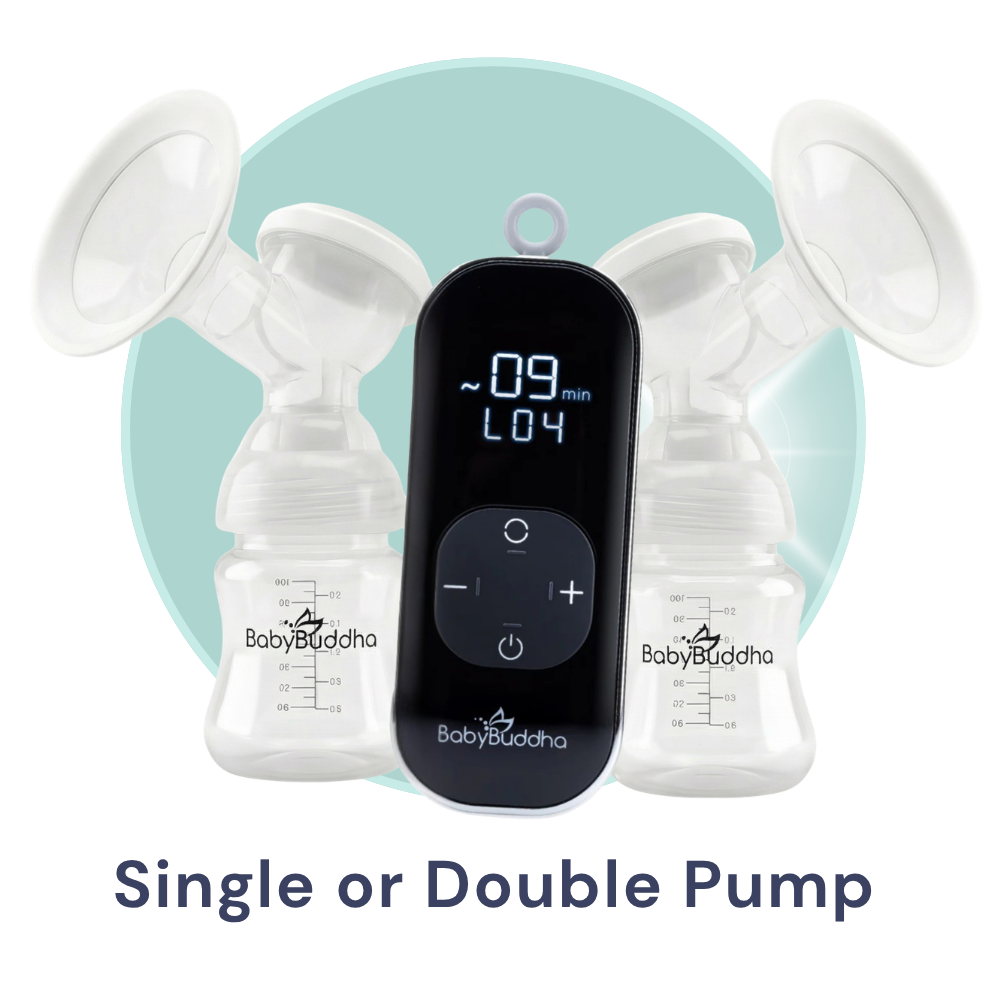
- It's still one pump for two jobs. The 3.0 runs with traditional bottles or with hands-free collection cups tucked into a bra.
- The 3.0 replaces the 2.0 as BabyBuddha's primary portable pump, and carries a two-year limited warranty good for up to 600 hours of use or two calendar years, whichever comes first.
See what ships in the box before you decide. The 3.0 product page lists every mode, every insert size, and the full kit contents. Meet the BabyBuddha 3.0.

What's New in the BabyBuddha 3.0
Double Drop Expression mode. This is the update we're most proud of. Inspired by the mode on our wearable pump, it sits between Soft Stimulation and Classic Expression in the sequence, cycling faster while pulling the same suction strength as Classic Expression. That gives you a middle rhythm the 2.0 didn't offer.
It helps most if you always found the jump from stimulation to expression too abrupt, or if you've been finishing sessions on a setting that works but didn't feel quite right.
The complete EasyFit system. Previous kits shipped with a narrow flange range and left sizing as a follow-up purchase. The 3.0 includes the full set: the 24mm base flange, usable on its own, plus ten inserts stepping down through 21mm, 19mm, 17mm, 15mm and 13mm. Together, the EasyFit flange kit covers 13mm to 24mm out of the box.
A sizing ruler in the box. Fit is the first thing that goes wrong for new pumpers, so the 3.0 gives you the tool to solve it before your first session rather than after your first sore week.
Four modes on one display. The sequence is Mode 1 Soft Stimulation, Mode 2 Classic Expression, Mode 3 Double Drop Expression, Mode 4 Classic Stimulation, navigated from the pump's screen. No app to install, no phone to keep charged.
What Carried Over from the 2.0
The suction that made the 2.0 a primary pump is still here. The 3.0 pulls 53 to 320 mmHg, hospital-strength vacuum in a pump small enough to hold in one hand.
A note on that number, honestly. The 2.0's ceiling was 320 mmHg, so the 3.0's is five lower, and in practice that changes nothing. Research published in Breastfeeding Medicine found mothers removed the most milk at their own maximum comfortable vacuum, which averaged around 190 mmHg and yielded roughly 65% of available milk, with softer settings producing measurably less. A wide range matters because it lets you find your number, not because you should max it out.
The rest is unchanged. The pocket-sized body is still the reason people choose BabyBuddha over a stationary unit. The same motor runs double- or single-pumping; construction is BPA-free, and charging is USB-C, with a full charge in four hours.
Comfort is still the suction ceiling, not pain. The FDA is direct: the first few sessions may feel uncomfortable, but pumping should not be painful, cause sore nipples, or result in bleeding.
BabyBuddha 2.0 vs. 3.0
| Feature | BabyBuddha 2.0 | BabyBuddha 3.0 |
|---|---|---|
| Pumping modes | 3 | 4 |
| Total settings | 21 | 30 |
| Double Drop Expression | No | Yes |
| Suction range | 53 to 320 mmHg | 53 to 320 mmHg |
| Flanges included | EasyFit, 22 to 24mm | Two 24mm EasyFit plus 10 inserts (13 to 21mm) |
| Sizing ruler included | No | Yes |
| Charging | USB-C | USB-C |
The real upgrade is rhythm and fit, not raw power. Suction is essentially unchanged. What changed is how many ways you can shape a session, and how likely you are to be pumping in the right flange size while you do it.
If your 2.0 is working, there is no urgency. A comfortable mode and a correct flange size are most of what a good session needs, and if you already have both, the 3.0 is an improvement rather than a fix. The 3.0 matters most for three people: anyone buying a first pump, anyone who has never found an expression rhythm that felt right, and anyone still pumping in a flange that was never actually sized to them.
Not sure which BabyBuddha pump fits your routine? The pumps collection lays out the portable, wearable, and manual options side by side. Compare BabyBuddha pumps.

How to Use the Four Modes
Start in Soft Stimulation. It's fast and shallow, imitating the rapid, light sucking a baby does before milk flows, which triggers let-down. Research in the International Breastfeeding Journal puts that stimulation phase around 120 cycles per minute, with expression slowing to between 54 and 78.
Move to an expression mode once milk flows. These are slower and deeper, built to move volume rather than trigger it. Reach for Double Drop Expression when Classic feels like too much. Same strength, faster rhythm. If Soft Stimulation isn't moving milk but Classic Expression feels like more than you want, this is the setting that was missing.
Use Classic Stimulation to chase a second let-down, since returning to a stimulation pattern partway through a session can bring on another release.
Inside each mode, turn the level up until it's strong but still comfortable, then leave it. Higher isn't better past that point, and expect your settings to change, because the mode that works in week two often isn't the one that works in month four. Our guide to pump settings and suction levels covers this in more detail.
Getting Your Flange Size Right on Day One
Fit is one of the few pump variables with real published evidence behind it. A 2025 pilot study in the Journal of Human Lactation compared smaller-fit flanges (13 to 19mm) with standard 21 to 24mm sizes in 36 mothers. Milk yield per session rose from an average of 138.2 grams to 153.2 grams, and average comfort ratings climbed from 3.3 to 4.5 on a five-point scale where 3 was "tolerable," and 5 was "very comfortable."
Most people also need a smaller size than they expect. The mean nipple tip diameter in that study was 12.63mm, with a range of 9 to 16mm, and the most commonly selected smaller size was 15mm. It's a pilot rather than a definitive trial, but the direction matches what lactation consultants have said for years.
That's exactly the range the 3.0 ships with. The EasyFit system covers 13mm through 24mm out of the box, so the sizing work happens before your first session instead of after a painful week. Our flange fitting guide walks through the measurement step by step.
Watch for the signs your flange is wrong: pain during a session, your nipple rubbing the tunnel wall, areola pulled deep into the flange, or blanching afterward. Re-measure over time, because fit can change across your pumping months.
How the 3.0 Fits Your Routine
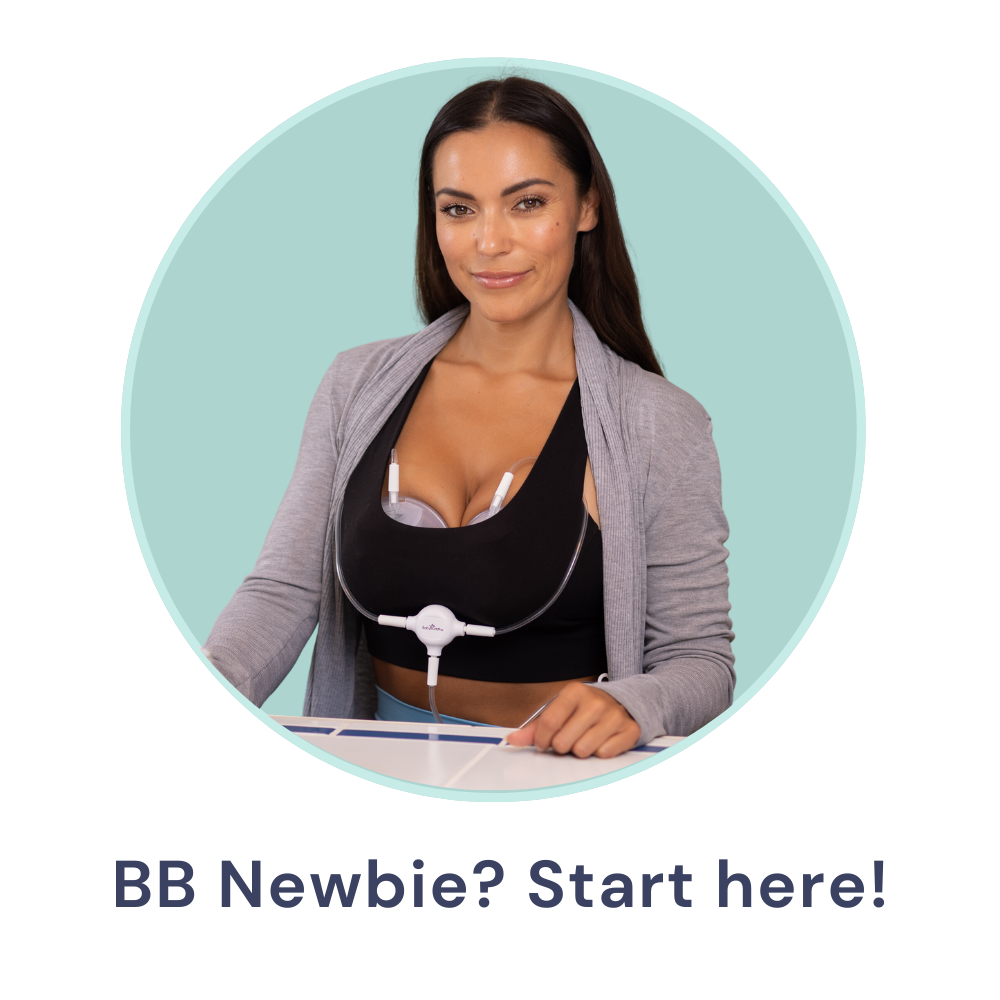
If you want one pump instead of two, the 3.0 covers both seated sessions with bottles and hands-free sessions with collection cups tucked into your bra. If you're exclusively pumping, four modes and 30 settings give you more room to build a session you can repeat several times a day without dreading it, and our exclusive pumping tips cover scheduling.
If you're heading back to work, the pump is pocket-sized, charges over USB-C, and is quiet enough for a shared building. If this is your first pump, the complete sizing kit removes the single most common early failure point.
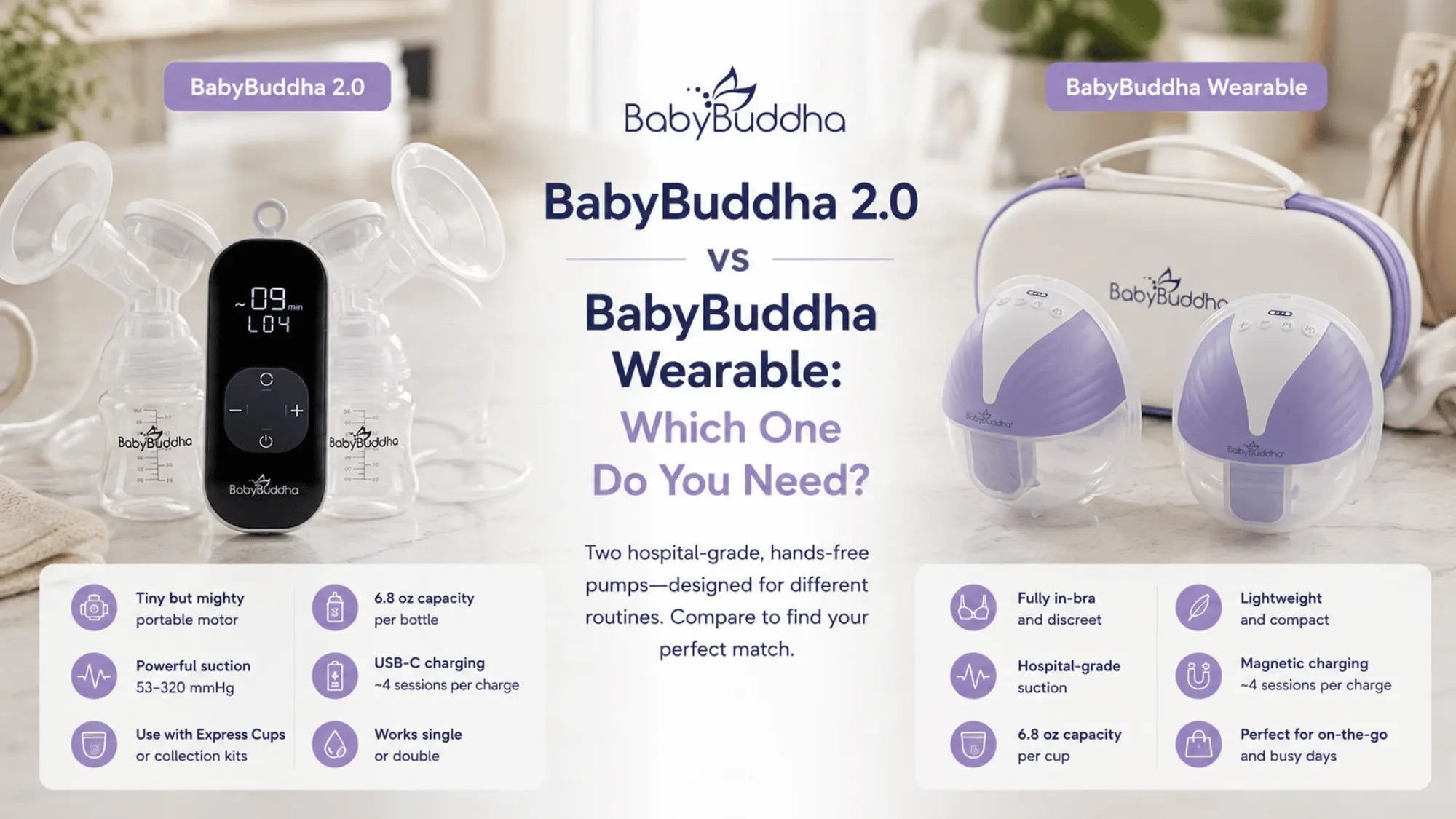
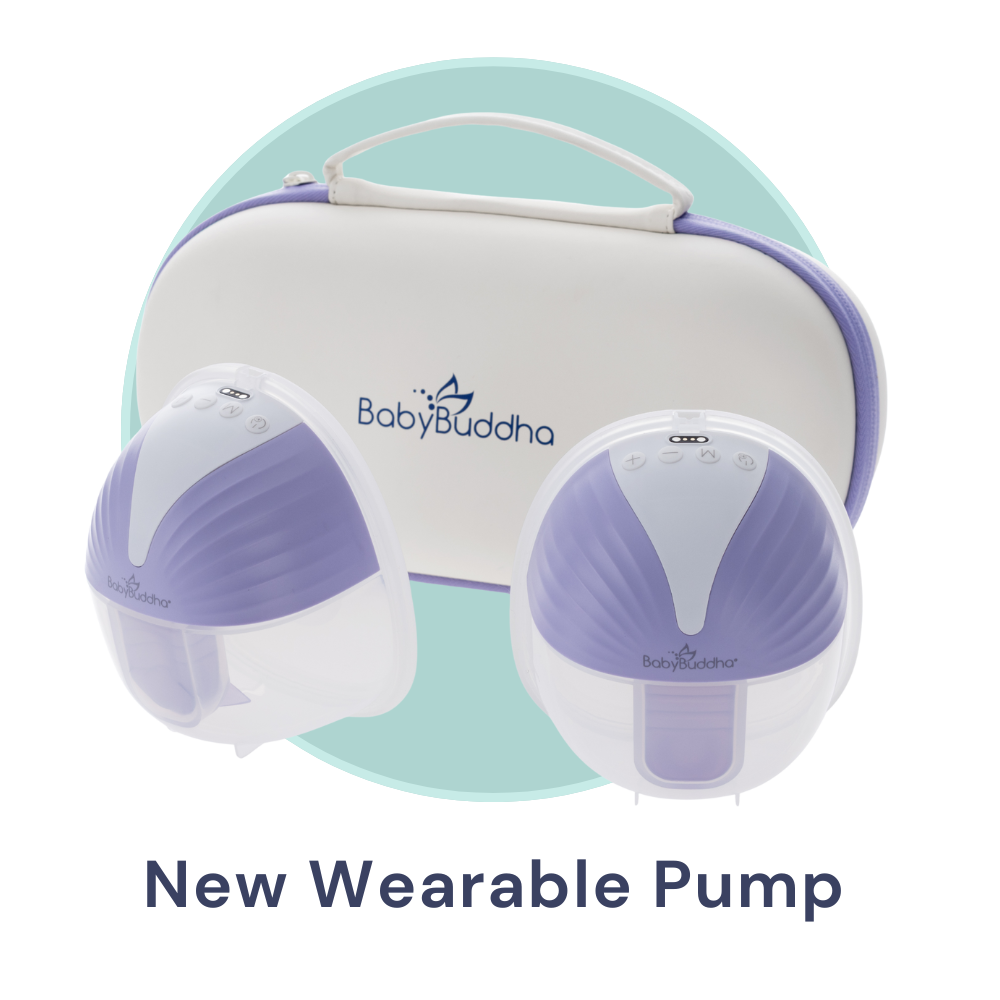
If you need fully cordless in-bra pumping with nothing hanging, our wearable pump is the better fit. The 3.0 is a portable primary pump, not an in-bra one, and that's worth knowing before you choose. And if you have not checked your insurance yet, start there. Most U.S. health plans must cover a breast pump at no cost to you, and BabyBuddha works with the major suppliers through our insurance page.
Questions We Get About the 3.0
Does the 3.0 replace the 2.0? Yes. The 3.0 is now BabyBuddha's primary portable breast pump. Existing 2.0 owners can keep using their pump and buying replacement parts as usual.
What is Double Drop Expression, in one sentence? It's a fourth mode that delivers more cycles per minute at the same suction strength as Classic Expression, giving you a middle rhythm between stimulation and full expression.
Is the 3.0 weaker than the 2.0? No. Published research points to your own maximum comfortable vacuum as the setting that removes the most milk, and that number for most people sits far below the 3.0's ceiling.
Do I still need to buy flanges separately? Most people will not. The 3.0 ships with two 24mm EasyFit flanges and ten inserts, so the system spans 13mm to 24mm out of the box. Separate 28mm and 32mm kits cover sizes above that.
Can I use the 3.0 hands-free? Yes. Pair the motor with hands-free collection cups and tuck them into your bra. The same pump then does both the seated bottle session and the hands-free one.
Conclusion
The BabyBuddha 3.0 adds even more options with a fourth mode, gives you 30 settings to fine-tune inside, and always includes the flange sizing kit so fit stops being an afterthought.
We built the 3.0 around the two variables that change a session: the rhythm you pump in and the size you pump through. The best pump isn't the one with the biggest number on the label. It's the one you can stay comfortable using for as many sessions as you need, for as long as you need.
See the full spec sheet and everything that ships in the box: four modes, 30 settings, and a complete EasyFit sizing kit in every order. Meet the BabyBuddha 3.0.