


It's rarely a convenient hour when this question comes up. There's a hungry baby, a frozen bag of milk, and no plan for getting from one to the other.
Here is the short version before anything else. Thawing breast milk in the refrigerator takes several hours to overnight, and a bath of lukewarm water thaws a bag in minutes. Those are the two methods worth knowing, and which one you use depends entirely on whether you had the chance to plan. The rest of this guide settles the parts that cause the most confusion, because the internet is unusually inconsistent on them: how long thawed milk actually keeps, whether you can refreeze it, what to do when it separates or smells faintly like soap, and which shortcuts are genuinely unsafe rather than just discouraged.
Also Read
- Breast Milk Storage Guidelines: Fridge, Freezer, Thawing and Safety
- How To Clean and Sterilize Your Breast Pump and Parts
- How Much Milk Should I Be Pumping? When and How Much To Pump
Summary
Thawing breast milk in the refrigerator takes several hours to overnight and is the method every major health authority lists first. A bowl of lukewarm water, or lukewarm running water, thaws a bag in minutes and is what to use when you need milk now. Once milk is fully thawed, the CDC says use it within 24 hours in the refrigerator, and within 2 hours once it has been warmed or brought to room temperature. Do not refreeze fully thawed breast milk, and never thaw or heat it in a microwave.
Thaw Times at a Glance
| Method | How long it takes | Safe? | Best for |
|---|---|---|---|
| Refrigerator, overnight | Several hours to overnight | Yes, and the gentlest | Planning ahead, least fat loss |
| Bowl of lukewarm water | Minutes | Yes | When you need milk now |
| Lukewarm running water | Minutes | Yes | The fastest hands-on option |
| Waterless bottle warmer | Minutes | Yes | Convenience |
| Counter, room temperature | Not recommended | No authority lists it | Skip it |
| Microwave | Never | No | Never |
One honest caveat about those times. No U.S. federal or major clinical body publishes a duration for any thawing method. The CDC, FDA and American Academy of Pediatrics list the approved methods and give no timing at all, so the ranges above come from named clinical sources rather than invented precision. "Several hours to overnight" comes from Stanford Medicine Children's Health, which describes refrigerator thawing exactly that way.
The one timing figure a clinical body does publish is about warming rather than thawing. ABM Clinical Protocol #8, the Academy of Breastfeeding Medicine's human milk storage protocol, states that warming thawed milk to body temperature "is best done over a period of 20 minutes in lukewarm water (at most 40C)." The same protocol notes that slow thawing in the refrigerator causes less fat loss than thawing in warm water.
Thawing in the Refrigerator
Move the oldest bag the night before. Rotate your stash so the oldest milk goes first, and label bags with the date pumped so this isn't guesswork at three in the morning.
This is the recommended default for a reason. It's the gentlest method and the one that preserves the most fat, which matters more than it sounds when the fat is a meaningful share of the calories your baby is getting.
Then there is the 24-hour clock, and the place almost everyone gets it wrong. The CDC says to use refrigerator-thawed milk within 24 hours. It is explicit that you "start counting the 24 hours when the breast milk is completely thawed, not from the time when you took it out of the freezer." That's the most commonly misread rule in breast milk handling, and reading it the other way costs people milk they didn't need to throw out.
The authorities do disagree here, and it's worth knowing which one you're following. The CDC says 24 hours. The American Academy of Pediatrics, in guidance updated in July 2025, says thawed milk is best used within 24 hours but may be used within 48 to 72 hours. The CDC's rule is the more conservative one. If your pediatrician tells you something different for your baby, follow them.
One practical rule follows from all of this: don't thaw more than you need. Once that clock starts, it does not pause, and there is no way to put unused milk back.
Store it in something you can thaw straight from. Snap-lid collection cups go from the session to the fridge without a transfer step. See BabyBuddha's milk storage lineup.

How to Thaw Breast Milk Fast
The warm water bath. Put the sealed bag or bottle into a bowl of lukewarm water and swap the water as it cools. Keep the water below 40°C, and keep the water line below the lid so nothing seeps in around the seal.
Lukewarm running water. Same principle, a little faster, and it uses more water. Good when you're standing at the sink anyway.
Waterless bottle warmers. These work too. ABM Protocol #8 cites a study in the Journal of Perinatology that compared tepid water warming at body temperature against waterless warming and found no difference between them in fat, protein, lactoferrin, or secretory IgA.
Never use hot water. ABM documents that milk placed in a hot water bath develops islets of high-temperature milk because nothing is stirring it, and that overheating "causes denaturation and inactivation of milk's bioactive proteins and decreased fat content." This is why running a bag under the hot tap is bad advice even though it feels efficient.
One thing to plan around: the 2-hour clock starts immediately. Once milk is at room temperature or warmed, the CDC says use it within 2 hours. That window is short enough that you should time a warm-water thaw to the feeding rather than do it in advance.
What Never to Do
Never use the microwave. The CDC states that microwaving can destroy nutrients in breast milk and create hot spots that burn a baby's mouth. The FDA warns that uneven microwave heating creates hot spots "that can scald a baby's mouth and throat." The research backs it up, with a caveat. A 1992 study in Pediatrics found that microwaving human milk at high temperatures markedly decreased lysozyme activity and IgA, with E. coli growth 18 times that of control milk. That study is small and old, so the scald risk is the stronger and better-established argument.
Do not refreeze fully thawed milk. The CDC says "never refreeze breast milk after it has thawed." There is one narrow exception the CDC itself allows: milk that has only started to thaw and still contains ice crystals can be refrozen. Once it's fully liquid, it's done.
Do not thaw on the counter. No authority lists room-temperature thawing as an approved method. That's an omission rather than an explicit ban, but it hides a practical problem. The CDC's storage guidance gives previously frozen, thawed milk only 1 to 2 hours on the countertop, which is often less time than a frozen bag needs to finish thawing.
Do not use a stovetop or boiling water. It risks the same overheating problem as hot tap water, with even less control over the temperature.
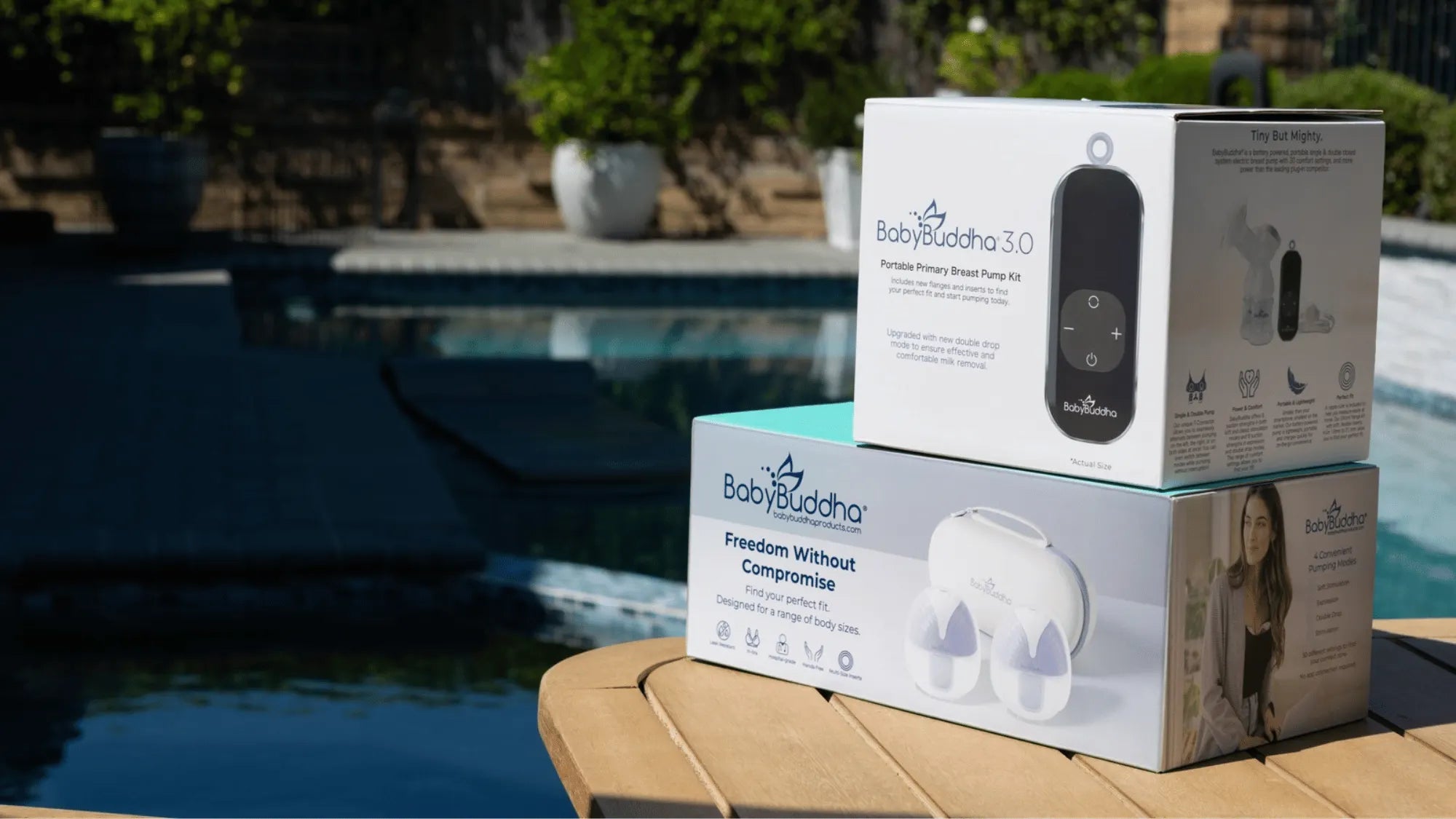
A stash is only as good as the pump behind it: Experience four modes and 30 settings, and a flange kit sized to you. See the BabyBuddha 3.0.
When Thawed Milk Looks or Smells Different
Separation into layers is normal. Fat rises. The CDC's instruction is simply to "swirl the breast milk to mix the fat, which may have separated." You may have read that shaking damages milk proteins. La Leche League USA states plainly that "It's safe to shake or swirl the milk to combine the cream prior to feeding," so swirl because it reduces foam and because the CDC says to, not out of fear of the alternative.
What is well established about mixing is why it matters. ABM notes that fat adheres to the side of the container more at body temperature than at refrigerator temperature, which lowers the fat content of what actually reaches the bottle. Mix thoroughly so your baby gets it.
A soapy or metallic smell is usually fine. La Leche League International says the reasons are not well understood, presents the high-lipase explanation as one theory rather than fact, and states there is no evidence the milk is unsafe and that most babies will drink it. A 2019 study in Breastfeeding Medicine tested previously frozen milk that infants had refused and found lipase activity at or below normal literature values for mature human milk, directly undercutting the popular high-lipase diagnosis.
Scalding milk before freezing is no longer standard advice. ABM Protocol #8 advises against it because heating milk above 40°C "May destroy many of the immunologically active factors in human milk," and LLLI's page on milk smell echoes that position. Guidance isn't fully uniform, since LLL USA's storage page still describes how to scald for parents who want to try it, so this is a case where two reputable sources land in different places. We would follow the ABM reasoning.

How BabyBuddha Fits Into Your Storage Routine
Fewer transfers means fewer spills. BabyBuddha's hands-free collection cups hold 8 oz each with snap-on lids, so milk goes from the session straight to the refrigerator without being poured into a second container. Graduated measurement markings mean you know what you're thawing before you thaw it, which is a small thing at noon and a large one at 3 a.m.
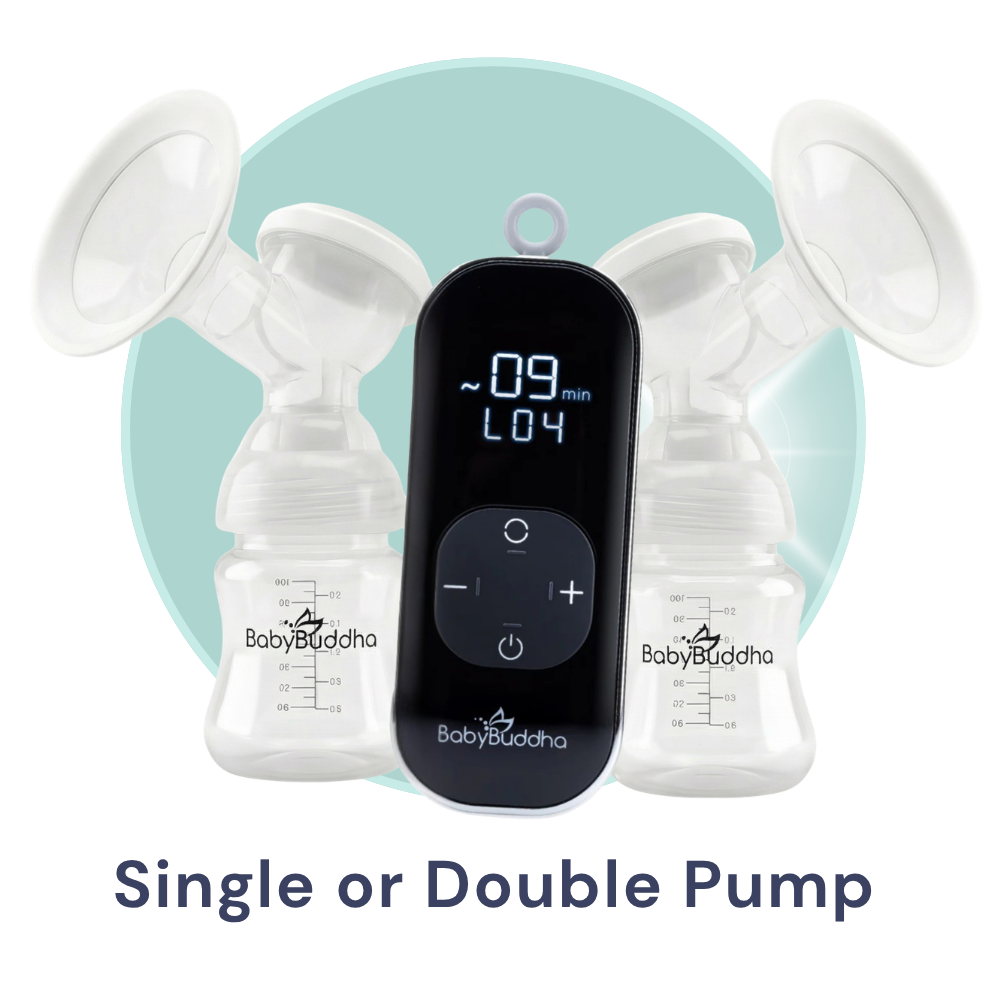
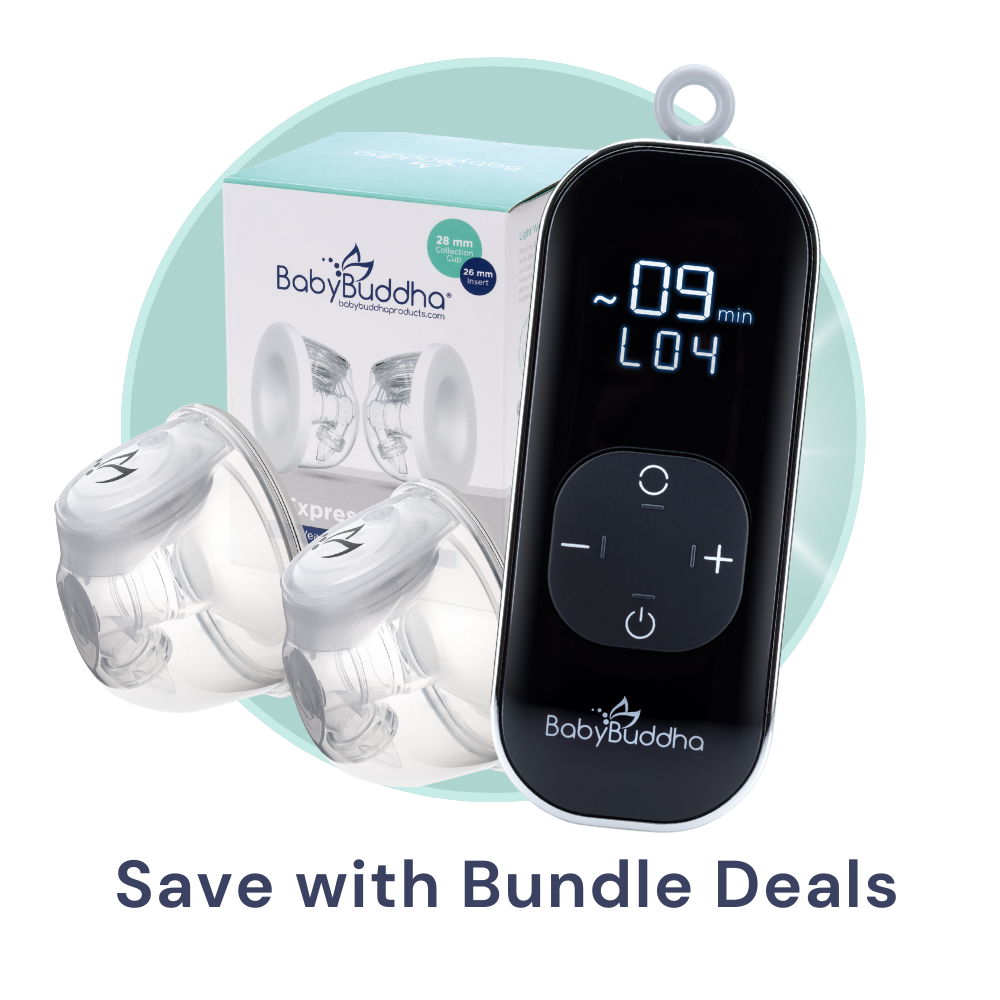
Storing in bottles or cups rather than bags also makes a warm water bath easier to manage and less likely to leak. And a stash worth building starts with a pump you'll actually use: the BabyBuddha 3.0 runs with bottles or with collection cups, so the storage format follows your routine instead of the other way around.
Two maintenance habits protect everything upstream of the freezer. Keep spare valves and diaphragms on hand, because worn replacement parts are the usual reason output starts to drop. And keep parts clean, because thawing rules only work if what went into the freezer was safe to begin with.
Quick Answers on Thawing
How long does it take to thaw breast milk? Several hours to overnight in the refrigerator, or a few minutes in a bowl of lukewarm water. No health authority publishes an official duration for either method.
How long is breast milk good after thawing? Twenty-four hours in the refrigerator per the CDC, counted from the moment it's completely thawed. Once warmed or brought to room temperature, it's good for 2 hours.
Can you refreeze thawed breast milk? Not once it's fully thawed. Milk that has only partly thawed and still has ice crystals can go back in the freezer.
Can you thaw breast milk in the microwave? No. Microwaving destroys nutrients and creates hot spots that can scald a baby's mouth and throat.
Why does my thawed milk smell soapy? The cause isn't well understood; high lipase is one theory, not a confirmed explanation, and there is no evidence the milk is unsafe. Most babies drink it without complaint.
Conclusion
Two methods cover almost every situation. The refrigerator if you had the chance to plan, lukewarm water if you did not. Two clocks cover the rest: 24 hours once fully thawed in the fridge, and 2 hours once it has been warmed.
Everything else is reassurance. Milk that separates is normal, milk that smells faintly soapy is almost always fine, and the rules exist to make an already demanding job predictable rather than to give you one more thing to get wrong. If it was stored properly and your baby drinks it, you're doing this right.
Store your milk in something you can thaw straight from. Snap-on lids, graduated markings, and 8 oz per cup, so the session and the storage are the same step. See BabyBuddha's milk storage lineup.