

A breast pump's listed price is only one part of what you may pay. Insurance rules, supplier limits, upgrade fees and replacement parts can change the final cost. Checking coverage first gives you a real number before you compare pumps.
This guide explains current pump prices, insurance coverage and direct-purchase costs. Product prices were checked on August 25, 2026. Sales can change, so confirm the current price on the product page before ordering.
Breast Pump Price Summary
- Manual pumps are usually the lowest-cost option. The BabyBuddha Manual Pump is currently listed at $24.99, with a regular price of $39.99.
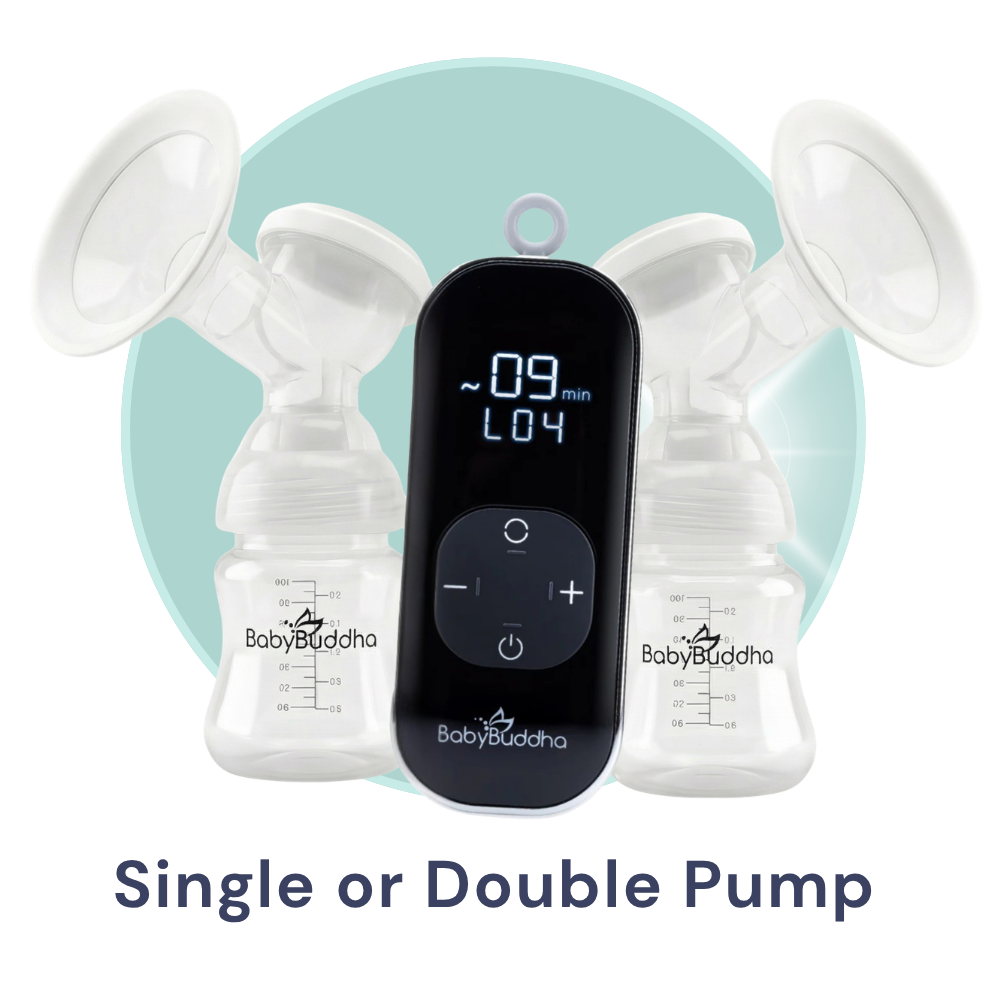
- The BabyBuddha 3.0 Primary Portable Pump is currently listed at $199.99, with a regular price of $229.99.
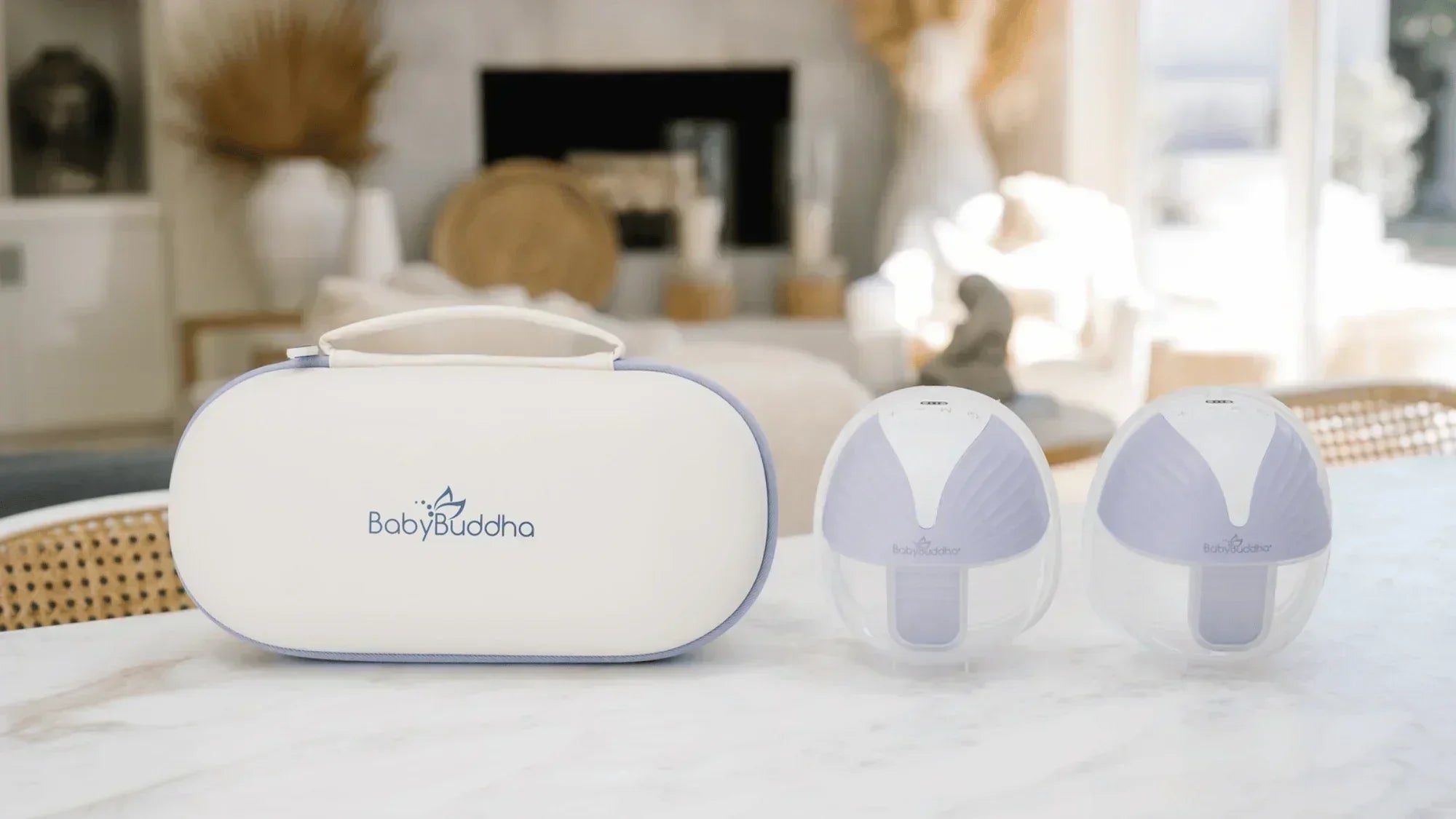
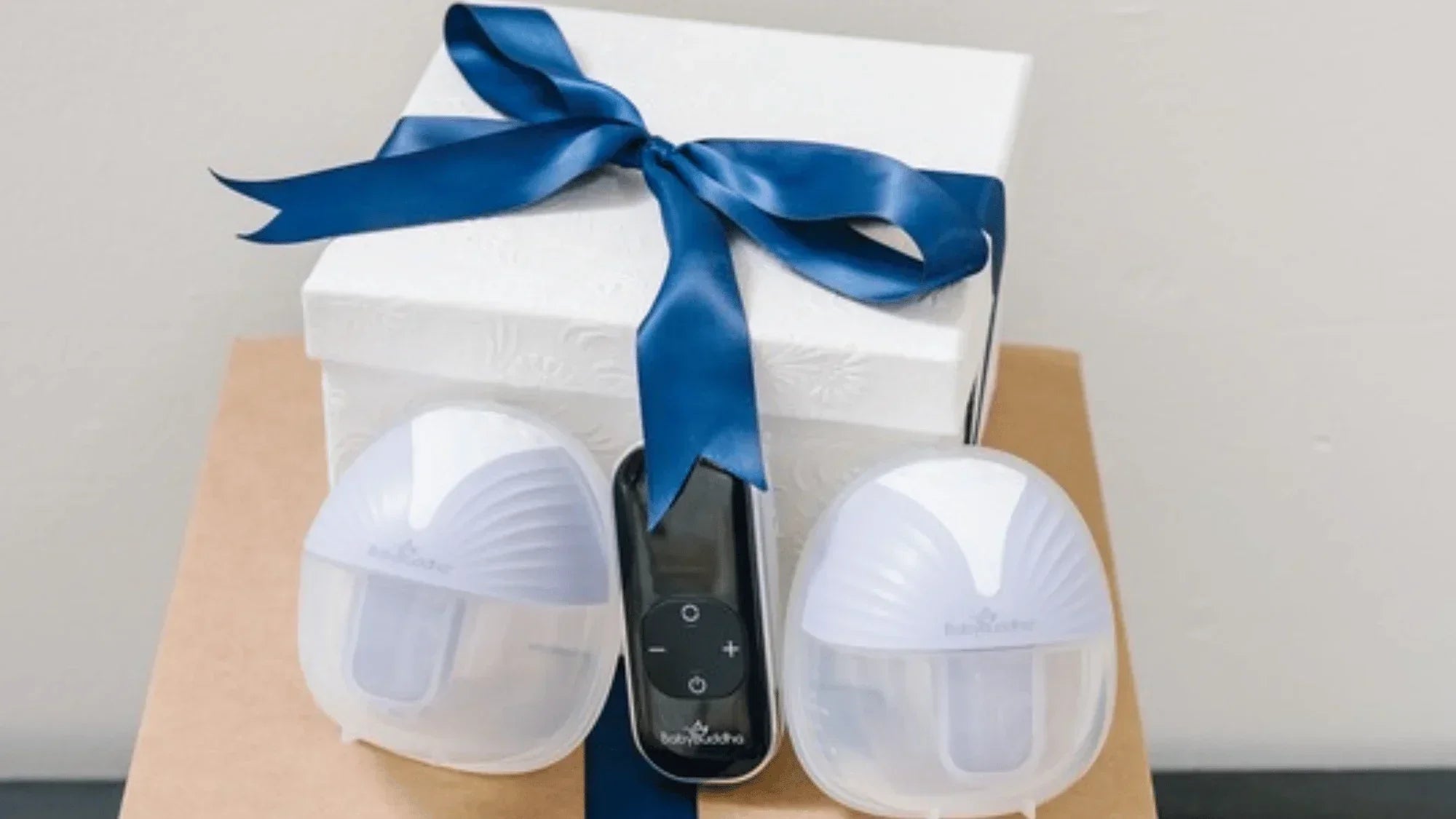
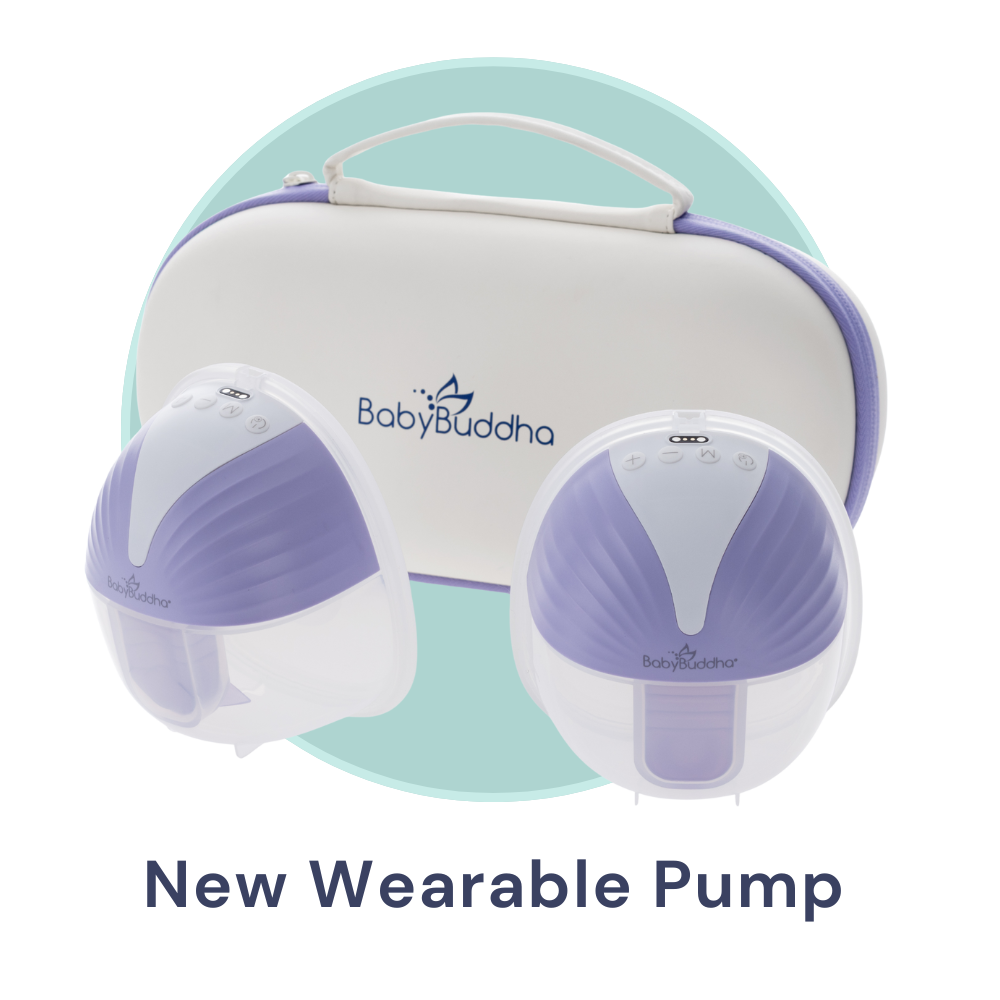
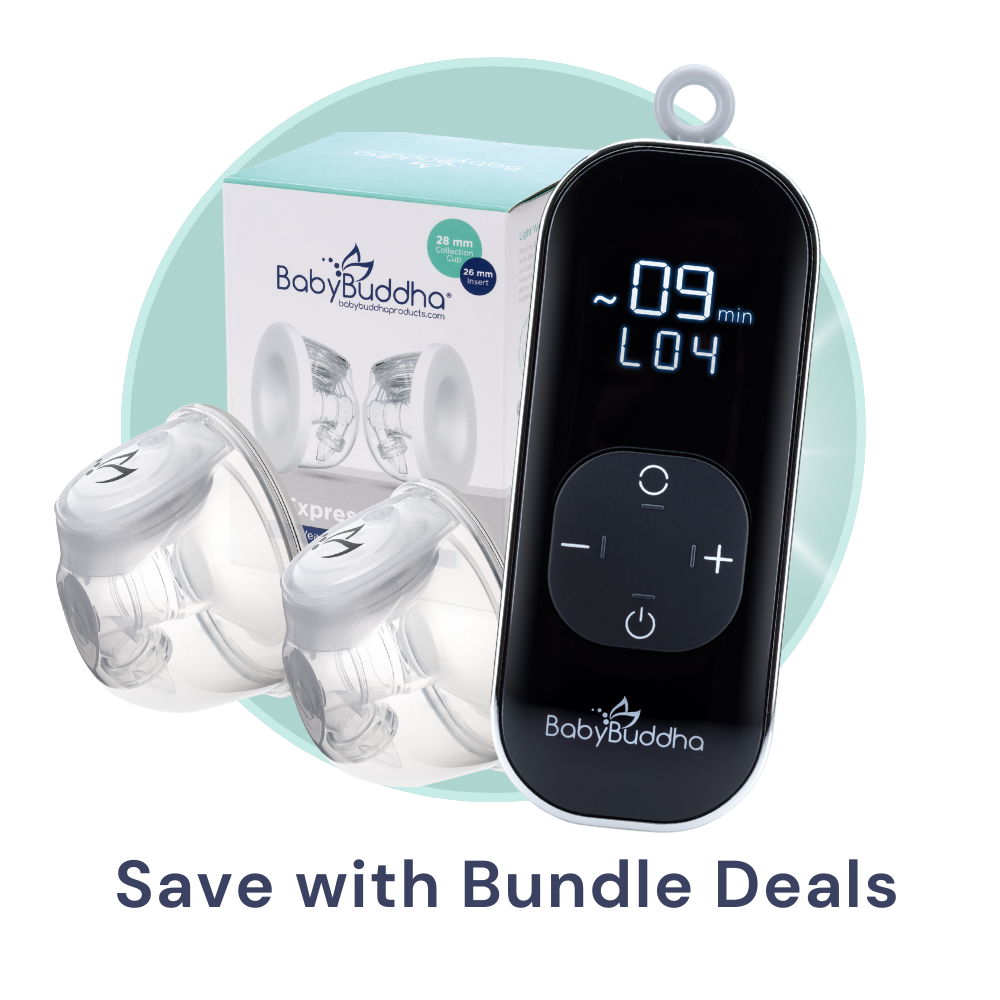
- The BabyBuddha Wearable is currently listed at $149.99, with a regular price of $289.99.
- Insurance may cover a pump purchase or rental. Your plan can limit the model, supplier and order timing.
- An upgraded portable or wearable pump may have an added cost under some plans.
- Replacement parts, fit items and milk-storage supplies can add to the cost after the pump arrives.
Check Your Benefits Before Buying
Start the BabyBuddha insurance process to confirm your benefits, required documents and possible costs before paying retail.

Current Breast Pump Price Examples
These are current product examples, not minimum or maximum prices for each category.
| Pump type | Current example | Price checked August 25, 2026 | Common use |
|---|---|---|---|
| Manual | BabyBuddha Manual Breast Pump | $24.99 sale price, $39.99 regular price | Backup pumping, travel and short relief sessions |
| Stationary double electric | Spectra S2 Plus | $177.99 listed price | Regular pumping near a wall outlet |
| Primary portable | BabyBuddha 3.0 | $199.99 sale price, $229.99 regular price | Regular daily pumping with a compact external motor |
| Fully in-bra wearable | BabyBuddha Wearable | $149.99 sale price, $289.99 regular price | Hands-free secondary pumping inside the bra |
| Hospital-grade multi-user rental | Provider-specific rental pump | Monthly rate and personal kit cost vary | Hospital use or home rental when recommended |
What You Get With the BabyBuddha 3.0
The BabyBuddha 3.0 is the current primary portable pump. Its suction range is 53 to 315 mmHg. Four modes provide 30 total settings.
The EasyFit Kit includes two 24mm flanges and ten inserts. You receive two each in 13mm, 15mm, 17mm, 19mm and 21mm. The box also contains bottles, valves, diaphragms, tubing, a USB-C charging cable, a flange ruler, a lanyard and a carrying tote.
The included fit range may reduce the need to buy separate inserts at the start. Future replacement-part costs will depend on use, cleaning and the manufacturer's replacement guidance.
How Insurance Affects Your Cost
Federal Coverage Rules
HealthCare.gov states that health plans must cover breastfeeding support, counseling and equipment, except for grandfathered plans. A covered pump may be a rental or a new pump you keep.
The plan can set rules for manual or electric pumps, approved suppliers, rental length and when the pump is provided. Some plans also require preauthorization or a prescription.
Coverage Doesn't Make Every Model Free
A plan may fully cover one pump and charge an upgrade fee for another. Portable or wearable models can fall outside the plan's standard option. Supplier networks also differ.
Ask your insurer for the exact covered models and suppliers. Then ask for the final cost of the model you want. Record the call date and reference number in case the quoted amount changes.
The BabyBuddha Insurance Process
BabyBuddha's insurance page starts the order through one of its DME providers. You'll need an insurance card, contact details, shipping information and a prescription from your doctor.
A DME provider will verify your benefits and documents. The order is processed after those details are confirmed. Starting the form doesn't guarantee that a specific pump will have no added cost.
Confirm Your BabyBuddha Cost
Submit your information for a benefits check before choosing between insurance and direct purchase.

Costs Beyond the Pump
A pump can require new parts and supplies over time. The total varies too much for one yearly estimate to fit every family.
- Valves and diaphragms wear with use and can affect suction when damaged.
- Tubing may need replacement if it becomes damaged or can't be cleaned as directed.
- Different flanges or inserts may be needed if the included sizes don't fit.
- Milk bags, bottles and labels depend on how much milk you store.
- A pumping bra, cooler or travel case may be useful for work or travel.
- Shipping, sales tax and rush fees can affect a direct order.
Check the replacement schedule for your pump and parts. Buying parts too early can waste money, while waiting until a worn part fails can interrupt pumping.
Insurance and Direct Purchase Compared
| Cost factor | Insurance order | Direct purchase |
|---|---|---|
| Pump price | Plan-specific covered amount or upgrade fee | Current retail or sale price |
| Model choice | Limited to covered models and approved suppliers | Any model sold by the retailer |
| Documents | Insurance card and prescription may be required | No insurance documents needed |
| Timing | Plan and supplier rules determine processing and shipping | Retail availability and shipping determine delivery |
| Replacement parts | Coverage varies by plan | Buyer pays unless another benefit applies |
| Best fit | Parents who want to use available coverage and can follow plan rules | Parents who want immediate model choice and accept the retail cost |
Build a Real Pumping Budget
Use confirmed prices instead of a broad yearly estimate. Fill in each amount before ordering.
| Budget item | Amount to confirm | Where to check |
|---|---|---|
| Pump | Covered cost, upgrade fee or retail price | Insurer, DME provider or product page |
| Fit items | Flanges or inserts missing from the included kit | Box contents and sizing guide |
| Replacement parts | Expected number of replacement sets | Manufacturer's care and replacement instructions |
| Milk storage | Bags, bottles, labels and cooler supplies | Your feeding and storage plan |
| Work or travel items | Bra, cooler, ice packs and cleaning supplies | Your normal pumping locations |
| Shipping and tax | Final checkout amount | Supplier or retailer checkout |

How BabyBuddha Pumps Fit Different Budgets
The BabyBuddha 3.0 is the primary portable option for regular daily pumping. The BabyBuddha Wearable sits fully inside the bra and is designed as a secondary pump. The BabyBuddha Manual Pump is a lower-cost backup for travel, relief or use without power.
Each model has its own included parts. Don't assume that flanges, inserts or other accessories can move between models. Check the product page or ask BabyBuddha support before buying parts for a different pump.
Five Ways to Control Breast Pump Costs
- Check the exact insurance benefit before paying retail.
- Compare the covered model with the model you plan to use most often.
- Review box contents before buying extra flanges or inserts.
- Replace parts based on condition and manufacturer guidance.
- Keep receipts for eligible medical expenses and insurance questions.
Using HSA or FSA Funds
IRS Publication 502 lists breast pumps and supplies that assist lactation as medical expenses. It excludes excess bottles used for food storage. HSA and FSA administrators can have documentation rules, so confirm eligibility before buying.
Keep an itemized receipt and the product description. Review the current IRS guidance for breast pumps and supplies or ask your plan administrator about a specific item.
Choosing Insurance or Direct Purchase
Insurance can lower the pump cost, though model choice and timing may be limited. Direct purchase gives you more control over the model and seller, while you pay the retail price.
Start with the insurance quote. Compare that final amount with the current retail price and included parts. This gives you a fair comparison without relying on broad estimates.
Compare Your BabyBuddha Options
Check your BabyBuddha insurance benefits, review the current BabyBuddha 3.0 price and kit or compare current BabyBuddha pump types.