


Ask a mom what separates a hospital-grade breast pump from a wearable pump, and you'll usually get one of two answers: hospital-grade is stronger, or wearable is more convenient. Both answers are partly right, but neither tells the whole story, and the term "hospital-grade" hides a surprise most moms don't know about.
This guide walks through the honest comparison. It covers what "hospital-grade" means, starting with the fact that the FDA doesn't recognize the term, what a wearable pump does well and where it hits its limits, and how to pick between them based on your routine. It also shows how the BabyBuddha 3.0 Primary Portable Breast Pump delivers hospital-strength suction in a portable design, and how our BabyBuddha Wearable Breast Pump fits alongside it.
Also Read
- Primary vs Wearable Breast Pumps: How to Choose the Right Pump for You
- What Suction Power Should a Breast Pump Have?
- Best Breast Pumps of 2026
What You Need to Know
A "hospital-grade" pump usually means a strong, often multi-user rental pump, but the FDA doesn't recognize the term as a regulatory category. The FDA does distinguish between single-user and multi-user. A wearable pump is a specific format that puts the motor and collection cup inside your bra so you can pump hands-free and on the move. The two aren't opposites; they solve different problems.
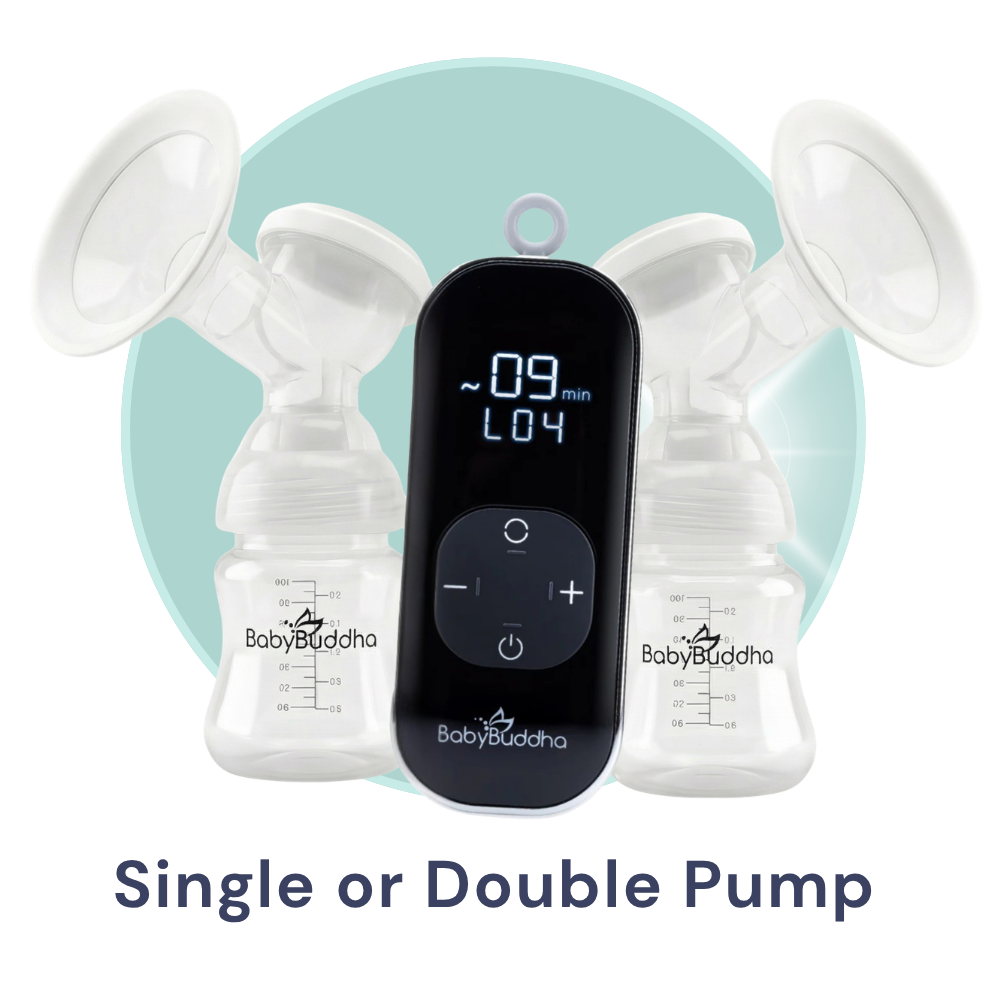
If you need maximum power and short-term shared use, often a NICU or supply-building situation, a multi-user rental pump fits. If you need daily hands-free flexibility, a wearable fits. Most moms are best served by a strong single-user portable primary pump that delivers hospital-strength suction, like the BabyBuddha 3.0 Primary Portable Breast Pump, paired with a wearable like the BabyBuddha Wearable Breast Pump for hands-free days. The 3.0 pulls hospital-strength suction up to 320 mmHg, runs four modes with 30 comfort settings, and ships with the EasyFit Flange Kit.
Key Points
- "Hospital-grade" isn't an FDA-recognized term. The FDA states that it doesn't recognize the term and that no consistent definition exists for it (U.S. Food and Drug Administration).
- The regulatory distinction is single-user versus multi-user. Multi-user pumps meet a higher safety standard because different moms can share them safely with individual accessory kits.
- A wearable pump is a format, not a power tier. It puts the motor and collection cup inside your bra so you can pump hands-free.
- Hospital-strength suction and wearable design aren't opposites. A portable primary pump like the BabyBuddha 3.0 delivers hospital-strength suction up to 320 mmHg without being a multi-user rental.
- Multi-user rental pumps fit specific situations, typically NICU, supply-building, or short-term high-demand needs. Most moms don't need one long-term.
- Wearables fit specific situations too, especially work, errands, travel, and nighttime sessions where hands-free matters more than maximum capacity.
- The two categories often work best together, not as an either-or choice. A strong primary pump anchors the routine; a wearable handles the sessions that need hands-free.
- The FDA warns against using secondhand single-user pumps. Only pumps cleared for multi-user use can be safely shared between moms.
- Flange fit shapes output more than either category label does, which is why the BabyBuddha 3.0 ships with the EasyFit Flange Kit.
What "Hospital-Grade" Means (and Doesn't)
Here's the surprise. The FDA doesn't recognize the term "hospital-grade." The agency says no consistent definition exists and that companies can mean different things when they use it. That's worth knowing before you pay extra for a pump because of the label.
What the FDA does distinguish is user count. The agency considers breast pumps single-user devices by default and warns that pumps reused by different mothers can carry infectious particles. Multi-user pumps meet a higher safety standard for shared use, with an individual accessory kit for each person. In practice, "hospital-grade" usually points to a multi-user rental pump: the big, plug-in units you'll find at hospitals, lactation consultant offices, and specialty rental suppliers. They're built for shared use, and each new renter gets a fresh accessories kit.
Brands also use "hospital-grade" as a marketing term to describe suction strength on single-user pumps. That isn't wrong, since many single-user pumps do pull strong suction, but the label alone tells you nothing verifiable. The takeaway is to check whether a pump is cleared for multi-user use if that matters to you, and to look at the suction range in mmHg rather than the "hospital-grade" label. This also matters for secondhand pumps: a used single-user pump can't be cleaned and disinfected to a standard that makes it safe for another mom, no matter the price. Our guide to what suction power a breast pump should have goes deeper on reading the numbers instead of the label.

What a Wearable Pump Is
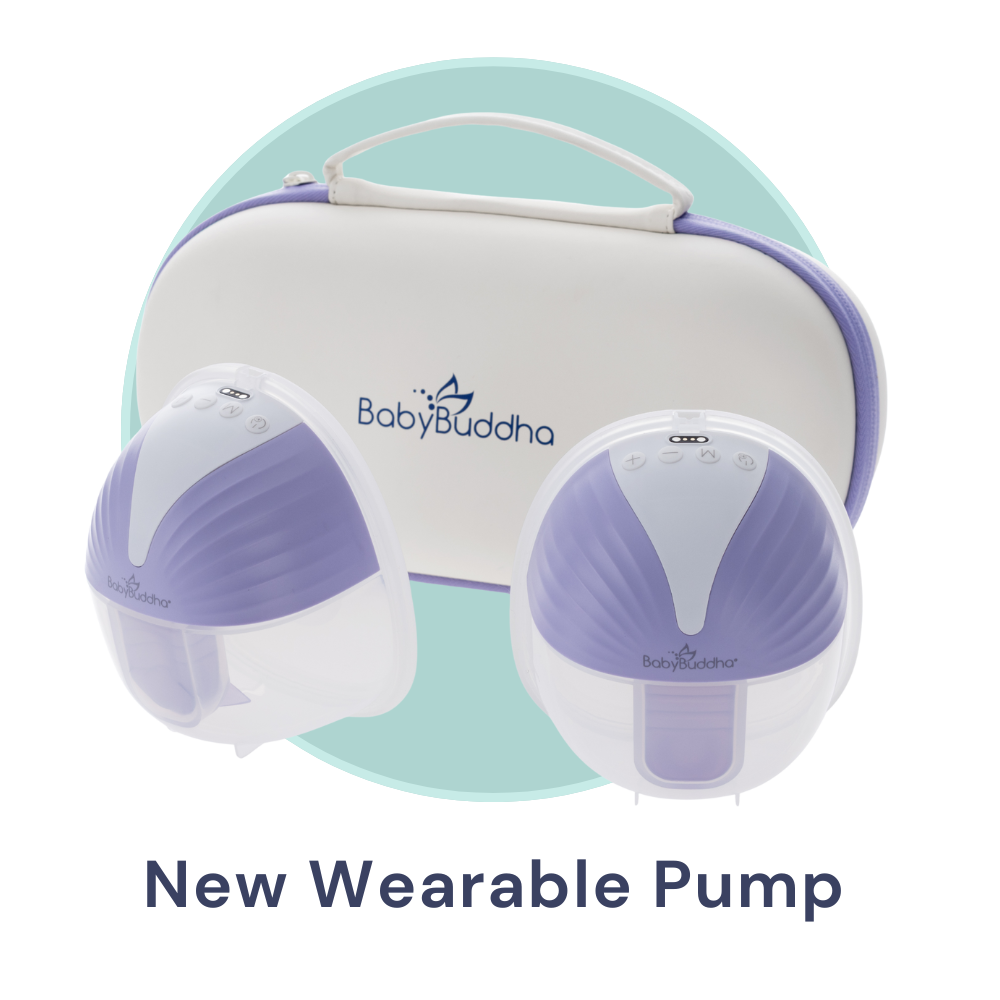
A wearable pump puts the motor and collection cup inside a single unit that fits inside your bra. No tubing, no bottles hanging off, no separate motor sitting on a table. The trade is usually capacity: in-bra pumps typically hold 6 to 8 oz per cup, and the motor has to fit in the same footprint, so there are practical limits on how big or powerful they can be.
Wearables solve one problem well, which is hands-free pumping on the move. Work, errands, travel days, and nighttime sessions with your baby all become workable in ways they weren't before, and discretion is a genuine feature: a wearable under a loose top disappears, changing what's possible in shared workspaces, on planes, and at family gatherings. What they don't do, for most moms, is replace a primary pump, especially for exclusive pumpers or moms in the newborn stage who need the highest capacity and the shortest possible session times.
The category is also where marketing claims tend to outpace what independent testing can verify. Look at suction numbers in mmHg, warranty terms, and long-term durability reviews from other moms, not just the marketing copy. If you're weighing a wearable against a portable primary, our BabyBuddha 2.0 vs BabyBuddha Wearable comparison lays out how the two formats differ in practice.
Where the Two Categories Overlap
The cleanest way to cut through the labels is to notice how much the categories overlap once you look at your actual routine. A portable primary pump can deliver hospital-strength suction without being a multi-user rental. The BabyBuddha 3.0 pulls up to 320 mmHg, which puts it in the same suction range as many pumps sold as "hospital-grade." Pair that portable primary with hands-free collection cups, and it covers most of what a wearable does while keeping the flexibility to switch back to bottles when you want the higher capacity.
A wearable can handle a full pumping schedule for some moms, especially those with an established supply and shorter session needs. But most moms find it works better as a companion to a primary pump than as the only pump. The category lines blur most where they matter most, which is your daily routine, so choosing by category name often hides the question that counts: does this pump fit how you'll use it?
When a Multi-User Hospital Rental Fits
A multi-user rental earns its place in a few specific situations. The first is a NICU stay: if your baby can't nurse yet and you need to establish supply from day one, a hospital rental pump is often the right call for the first weeks, and hospitals usually provide them on-site or arrange short-term rentals for home use. The second is building or rebuilding supply, since low supply that hasn't responded to more sessions or better fit sometimes benefits from a stronger multi-user pump for a few weeks.
Short-term, high-demand needs round out the list. Certain medical situations, adoption-related induced lactation, or feeding a preterm baby can call for the extra power of a rental for a defined period. You don't usually need one long-term, though: once supply is established and you're in a steady routine, most moms move to their own single-user pump. Insurance often covers rental, especially in NICU or documented low-supply situations, so ask your provider before paying out of pocket.

When a Wearable Pump Fits
A wearable is the right tool when hands-free matters more than maximum capacity. Returning to work is the clearest case, especially in a shared building or a job that doesn't leave room to stop and set up a traditional pump. Errands, travel days, and appointments qualify too, since you need to pump but can't be tethered to bottles and tubing.
Nighttime sessions are another strong fit, where sitting up with a full pump setup feels like more than you want to deal with in the middle of the night. Our BabyBuddha Wearable Breast Pump has in-cup LED lights for exactly this case. Video calls and long meetings, where discretion matters and pausing isn't an option, round out the list. In each of these, a wearable works best as a strong secondary pump alongside a primary pump, which is how most moms get the most out of one. The BabyBuddha Wearable fits this role directly, with 6oz+ collection cups, 30 comfort settings, four modes, ultra-quiet operation, and a long-pull suction pattern carried over from our 2.0.
Why a Strong Portable Primary Pump Anchors Most Setups
For most moms, a portable primary pump with hospital-strength suction handles most pumping needs, whether that's exclusive pumping at home, working-mom sessions, or the higher-capacity morning pump most schedules build around. The BabyBuddha 3.0 Primary Portable Breast Pump pulls hospital-strength suction up to 320 mmHg, in the same range as many pumps sold as "hospital-grade," but in a compact, USB-rechargeable form.
Four modes with 30 comfort settings give you room to build sessions you can repeat, including the new Double Drop Expression Mode, which cycles faster than Classic Expression at the same suction strength and adds a fourth rhythm to work with. The EasyFit Flange Kit ships in the box, with two 24mm EasyFit flanges, ten inserts covering 13mm through 21mm, and a nipple-sizing ruler, so you can size correctly on day one. A 2025 pilot study in the Journal of Human Lactation found that smaller-fit flanges (13 to 19mm) produced more milk per session than standard 21 to 24mm sizes, with average yield rising from 138.2 grams to 153.2 grams and comfort climbing alongside it.
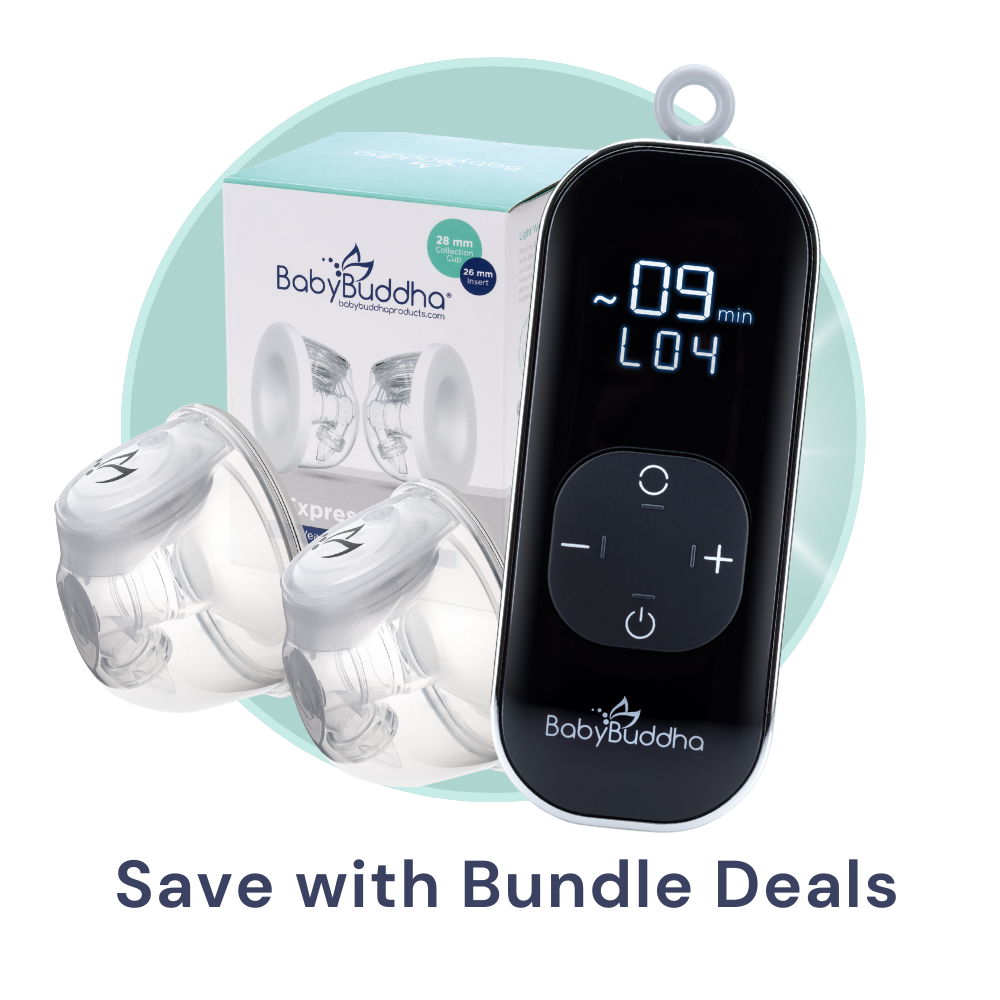
The wider suction range gives you room to find your setting, which matters more than a high ceiling. Research in Breastfeeding Medicine found moms remove the most milk at their own maximum comfortable vacuum, which averaged around 190 mmHg, not at the pump's ceiling. For the sessions you need while you keep working, you can pair the 3.0 with our Hands-Free Collection Cups, which use the same motor for in-bra collection, with 8oz capacity per cup and Silicone Cushion Flanges 22mm to 24mm.
How to Choose Between the Two
Start with your primary daily need. If most sessions happen at home in a steady routine, a strong portable primary pump handles most of your pumping; if most sessions happen on the move, a wearable earns its place. Then consider whether you need multi-user safety: if you're renting short-term or sharing with a partner or family member, only a multi-user pump meets the FDA's safety standard.
From there, look at the suction range in mmHg rather than the "hospital-grade" label, since a wider range gives you more room to find your comfort ceiling. Check what ships in the box, too, because a pump you can size on day one saves a second order, a return, and often a sore week, which is where the EasyFit Flange Kit covers most moms without a separate purchase. Think about the pairing rather than a single winner: most moms end up with a primary pump plus a wearable, so choosing pumps that work well together often beats choosing the "best" pump in either category. And whatever you land on, check your insurance first, since coverage often shapes the shortlist more than the category label does. Our flange fitting guide can help you dial in the size once you've chosen.
How BabyBuddha Fits Both Sides
The BabyBuddha 3.0 Primary Portable Breast Pump delivers hospital-strength suction in a portable form: up to 320 mmHg, four modes with 30 comfort settings, USB rechargeable, and the EasyFit Flange Kit included. The BabyBuddha Wearable Breast Pump handles the hands-free sessions, with 6oz+ collection cups, in-cup LED lights for nighttime pumping, 30 comfort settings, four modes, and the long-pull suction pattern many moms look for by name.
Our Hands-Free Collection Cups turn the 3.0 into a hands-free setup on demand, without switching pumps, using the same motor for in-bra collection with 8oz capacity per cup. The BabyBuddha Manual Breast Pump earns a place in the travel bag for backup, sensitive days, and quick relief when you don't want to think about batteries. Every BabyBuddha pump comes with access to our lactation consultant support team, which helps you dial in your routine, troubleshoot fit, and adjust as your baby grows. You can compare the full lineup to see how the primary, wearable, and manual pieces fit together, and most U.S. insurance plans cover a BabyBuddha pump through the suppliers on our insurance page.
Conclusion
The honest comparison between a hospital-grade breast pump and a wearable pump starts with what "hospital-grade" means, which is less than most moms think. The FDA doesn't recognize the term, so the label alone tells you nothing verifiable. The regulatory line runs between single-user and multi-user pumps, and multi-user rentals fit specific situations, NICU, supply-building, and short-term high-demand needs, rather than most moms' long-term routines.
A wearable pump solves a different problem: hands-free pumping on the move. It doesn't replace a primary pump for most moms, but it makes work, travel, and nighttime sessions workable in a way a traditional pump can't. For most moms, the answer isn't hospital-grade or wearable. It's a strong portable primary pump with hospital-strength suction that anchors the routine, paired with a wearable for hands-free days. That's the pairing the BabyBuddha 3.0 Primary Portable Breast Pump and the BabyBuddha Wearable Breast Pump were built to be.
See the BabyBuddha 3.0 Primary Portable Breast Pump, with hospital-strength suction up to 320 mmHg, four modes, and 30 comfort settings.