


If you're asking how many times a day you should be pumping, you've already figured out the tricky part: the answer depends on more than one thing. It moves with your baby's age, whether you're nursing alongside pumping, how your supply is doing, and what your day looks like. A newborn exclusive pumper and a mom pumping twice on her lunch break aren't running the same schedule, and neither of them should.
The honest version of the answer is a range, not a number, and this guide walks through it situation by situation. It also covers the two things that shape output more than session count itself, which is worth knowing before you rearrange your day around a target.
Also Read
- How Many Times Can We Use a Breast Pump in a Day?
- Exclusive Pumping Tips
- How to Plan a Breast Pump Schedule
The Short Version
Most moms who are exclusively pumping run 8 to 12 sessions a day in the newborn stage, dropping to 6 to 8 as supply establishes and 4 to 6 once things are steady. Moms who nurse and pump usually add 1 to 3 pumping sessions a day around nursing. Moms returning to work typically pump 2 to 3 times during a workday, matching the feedings they're missing.
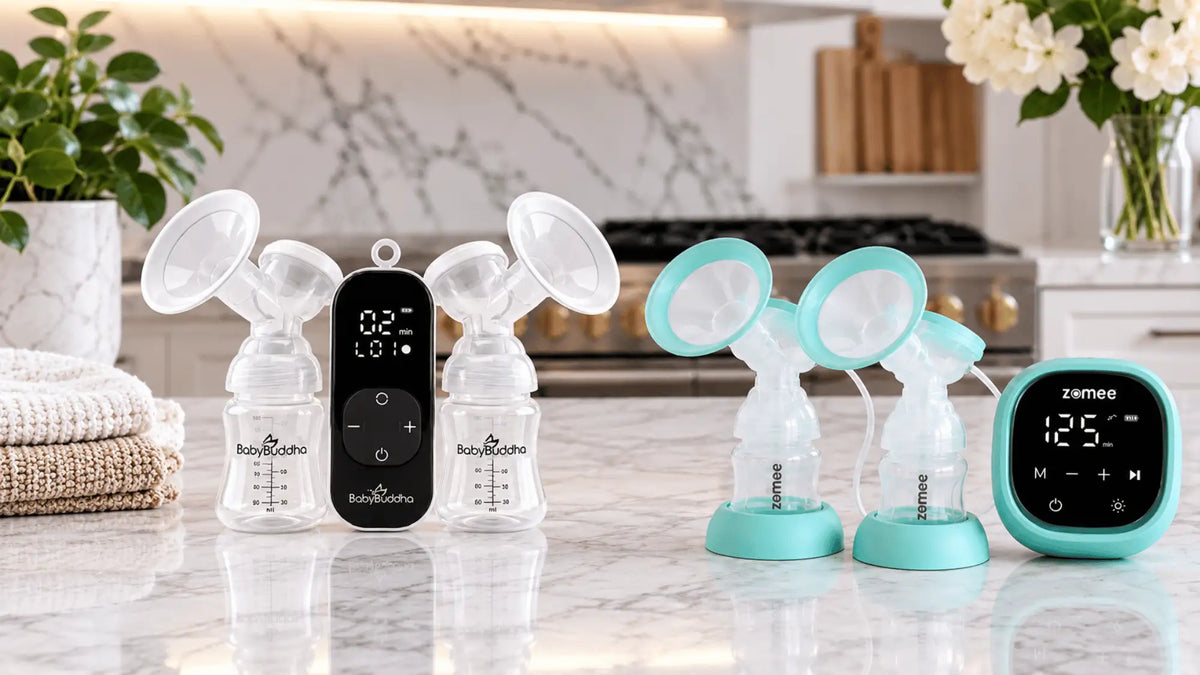
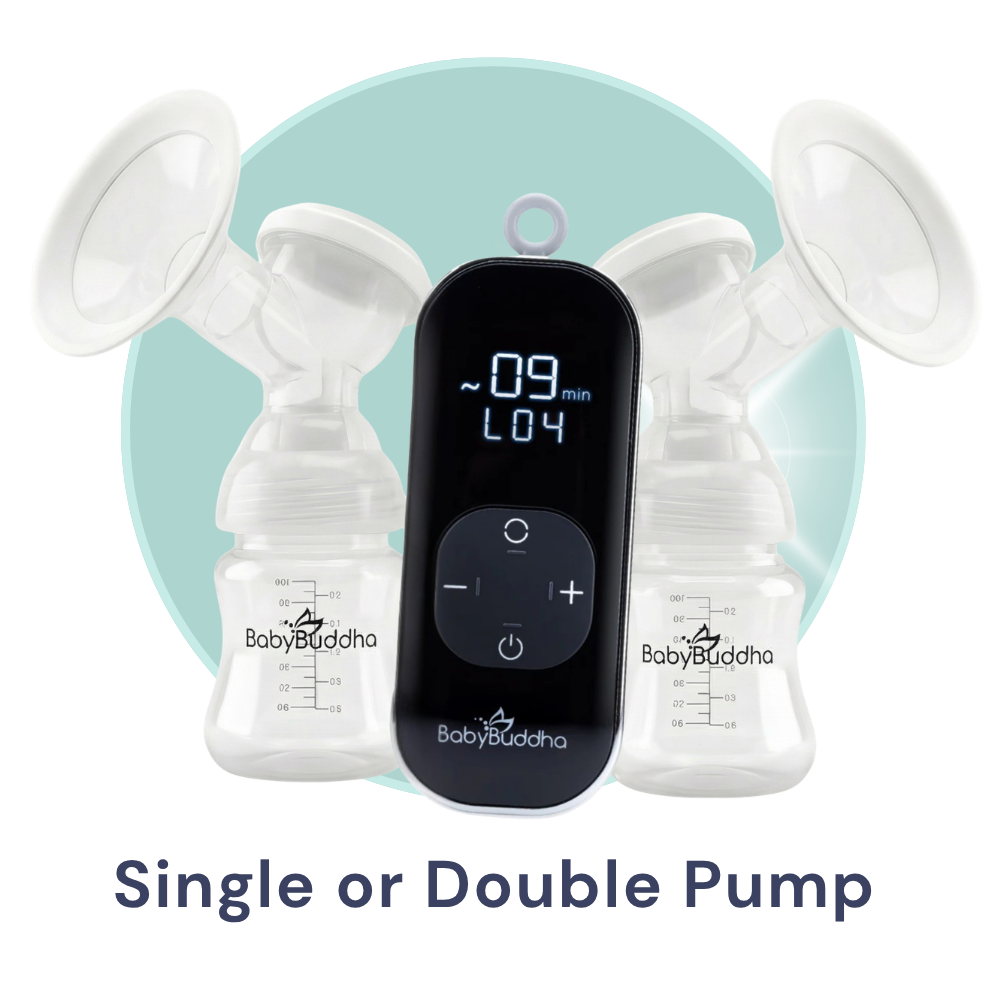
The rule underneath all of these numbers is that milk removal drives supply, so the count matters less than how completely each session drains, how comfortable you are pumping, and whether your flange fits. Any BabyBuddha pump can support your schedule. The BabyBuddha 3.0 Primary Portable Breast Pump anchors most setups with hospital-strength suction up to 320 mmHg, four modes, 30 comfort settings, and the EasyFit Flange Kit included.
Key Points
- There isn't one right number. Session count depends on your baby's age, whether you're nursing, your supply goals, and your work schedule.
- Newborn-stage exclusive pumping usually runs 8 to 12 sessions a day, matching how often a newborn feeds (Academy of Breastfeeding Medicine).
- Established exclusive pumping typically settles at 4 to 6 sessions a day once supply is stable, and your baby is a few months old.
- Combo feeding usually adds 1 to 3 pumping sessions, placed around nursing rather than replacing it.
- Working moms typically pump 2 to 3 times during a workday, aiming to replace each missed feeding.
- Milk removal drives supply, not session count alone. Supply responds to how frequently and completely milk is removed (American Academy of Pediatrics).
- Comfort and flange fit shape output more than an extra session does. A well-fit, comfortable session produces more than a rushed, painful one.
- Power pumping is the tool for temporarily bumping supply, clustering shorter sessions in one hour to mimic a cluster feed.
- Federal law protects your pumping time and space at work. The PUMP Act requires reasonable break time and a private, non-bathroom space for one year after birth (U.S. Department of Labor).
The Rule Underneath Every Number
Before the schedules, the one principle that makes sense of all of them: milk removal drives supply. Your body makes more milk when milk is removed frequently and completely, so every schedule below is a different way to arrange that removal.
Frequency and completeness both matter. Pumping more often without draining fully doesn't send the same signal as fewer, complete sessions, and one long marathon session doesn't do what two shorter, complete ones do. Timing plays a role too. Prolactin, the hormone behind milk production, tends to run higher overnight, which is part of why early-morning and nighttime sessions matter more than they seem, especially in the establishing phase.
Your body also responds to your rhythm, not the clock's. If you pump at 2 a.m., 6 a.m., and 10 a.m. one day and then 8 a.m., noon, and 4 p.m. the next, that inconsistency signals downward over time. Rough regularity beats occasional perfection. And the number of sessions is one lever, not the whole system. Fit, comfort, and how completely each session drains are the other levers, and they often move output more than adding another session would.
Newborn Stage: The First Six Weeks
Newborns feed 8 to 12 times a day, according to the American Academy of Pediatrics and the Academy of Breastfeeding Medicine. If you're exclusively pumping, your session count should match that, which works out to roughly every 2 to 3 hours, including at least one overnight session. Skipping the overnight session in the establishing phase can affect long-term supply, so it's the one to protect even when it's the one you'd most like to drop.
Sessions typically run 15 to 20 minutes with a double pump, or until milk stops flowing, plus a couple of extra minutes. This is the most demanding phase, and it's also when a comfortable pump matters most, because you'll spend more time using it now than at any later point. If you're nursing in this phase and adding some pumping, most moms add one or two sessions a day, often first thing in the morning when supply is highest, to build a small freezer stash.
Setup matters more than usual right now. The right flange size on day one saves a sore first week, and the EasyFit Flange Kit that ships with the BabyBuddha 3.0 is designed for exactly this handoff, with two 24mm EasyFit flanges, ten inserts covering 13mm through 21mm, and a nipple-sizing ruler in the box.

Established Exclusive Pumping (After Six Weeks)
Once supply is established, most exclusive pumpers drop to 6 to 8 sessions a day, usually around the six-week mark, and settle at 4 to 6 by three to four months. The pattern most moms land on runs a first-thing-in-the-morning session for the highest yield, a mid-morning session, an afternoon session, an evening session, and one overnight or bedtime session.
Total daily milk-removal time matters more than the exact spacing, so aim for roughly the same number of minutes at the pump each day even if the timing shifts. When you're ready to cut back, dropping sessions works better as a gradual step-down than a sudden change: cut one session at a time, wait a week, and watch total daily output before cutting another. Overnight sessions are usually the last to add and the first many moms want to drop, but keeping at least one longer stretch broken up in the early months protects supply.
Mode variety earns its keep with this many sessions in a day, because varying the rhythm keeps a routine you can repeat. Four modes and 30 settings on the BabyBuddha 3.0 give you room to build a session that stays comfortable, including the new Double Drop Expression Mode, which cycles faster than Classic Expression at the same suction strength and adds a fourth rhythm to work with. Our exclusive pumping tips go deeper on building a routine you can hold.
Combo Feeding: Nursing Plus Pumping
Most combo-feeding moms add 1 to 3 pumping sessions a day on top of nursing, which is enough to build a stash or cover missed feedings without signaling for a big supply increase. The best time for an extra pump is right after a morning nursing session, when supply is highest, so you pull the additional milk your body already made without competing with a feeding. Between feedings works too, typically about halfway between the last nursing session and the next.
Pumping right before a feeding usually backfires, since it can leave less for your baby at the breast and create a supply-and-demand mismatch. And if you're building a freezer stash for a return to work, one to two extra pumps a day starting a few weeks out is usually plenty. Our guide to planning a pump schedule walks through fitting those sessions around nursing.

Returning to Work
The general rule going back to work is to replace each missed feeding with a pumping session. For most moms on a standard workday, that's 2 to 3 sessions during work hours, usually one mid-morning, one at lunch, and one mid-afternoon, roughly every 2 to 3 hours you're away from your baby. Nurse before you leave and as soon as you get home, and you usually won't need extra sessions outside of work.
Your right to pump at work is protected. Under the PUMP Act, the U.S. Department of Labor requires most employers to provide reasonable break time and a private, non-bathroom space for one year after birth. A quiet, portable pump makes the schedule sustainable: the BabyBuddha 3.0 is small enough to bring in a bag and hang from the included lanyard for a hands-free setup, and the BabyBuddha Wearable Breast Pump makes a fully in-bra session workable when your schedule doesn't leave room to stop. Consistency at work matters more than a perfect session: a slightly shorter, on-schedule pump usually protects supply better than a skipped one, even if the yield is lower.
Building or Protecting Supply
If your supply is dropping, add a session or two first rather than stretching your existing sessions longer. When you want a temporary boost, power pumping is the tool. You cluster three or four short bursts inside one hour, for example 20 minutes on, 10 off, 10 on, 10 off, and 10 on, to mimic a cluster feed and signal for more supply. Do it once a day for about a week and watch for a response. It doesn't work overnight, but most moms who use it consistently see a bump within a few days to a week, and our power pumping guide lays out the schedule step by step.
The morning is usually the best time for power pumping, when supply is highest and you have the most milk available to remove. Adding a nighttime session is another lever, especially if you'd dropped one earlier, since overnight sessions carry outsized weight for supply. One thing worth remembering through all of this: removal beats recipes. No food or supplement will increase supply if milk isn't being removed frequently and completely.
Dropping Sessions and Weaning Down
When it's time to cut back, drop one session at a time, wait about a week, and watch total daily output before cutting another. Sudden drops can cause engorgement or a bigger supply dip than you intended. For exclusive pumpers, the overnight session is usually the first to go, followed by whichever session your body handles best without.
Sessions naturally get shorter as you drop them, so a pump that used to run 20 minutes might only need 12 to 15 as your body adjusts. If you're weaning entirely, plan on a few weeks to a couple of months rather than days, because rushing the process is uncomfortable and raises the risk of clogged ducts or mastitis. Comfort matters more in this phase, not less: sensitive days come more often as you wean, and a comfortable pump with a correct flange size keeps things manageable.
What Matters More Than the Count
Two things shape your output more than the session number, and they're worth more of your attention than chasing one more pump.
The first is how completely each session drains. A partial session repeated eight times a day sends a weaker signal than fewer, complete ones, so pump until milk stops flowing plus a couple of extra minutes. The second is the right flange size. A 2025 pilot study in the Journal of Human Lactation found that smaller-fit flanges (13 to 19mm) produced more milk per session than standard 21 to 24mm sizes, with average yield rising from 138.2 grams to 153.2 grams and comfort ratings climbing from 3.3 to 4.5 on a five-point scale. The EasyFit Flange Kit ships with every BabyBuddha 3.0 to solve this on day one, and our flange fitting guide walks through the measurement.
A few more things round it out. Comfort at the setting you use matters, and the FDA is clear that pumping shouldn't be painful, so turn the level up until it's strong but still comfortable, then leave it. Higher isn't better past that point. Consistency beats intensity, since a rough schedule beats occasional perfect sessions with big gaps. Rest, hydration, and calories won't create supply on their own, but running low on any of them can quietly drop it.
How BabyBuddha Fits Your Session Count
The BabyBuddha 3.0 Primary Portable Breast Pump comfortably anchors most schedules, with hospital-strength suction up to 320 mmHg, four modes with 30 comfort settings, and USB recharging so any laptop or phone brick can charge it between sessions.
The EasyFit Flange Kit ships in the box, with two 24mm EasyFit flanges and a full set of inserts, so you can find your fit on day one, which is the single highest-leverage thing you can do for both comfort and output. Its four modes and 30 settings give you room to build sessions you can repeat, including the new Double Drop Expression Mode that adds a fourth rhythm.
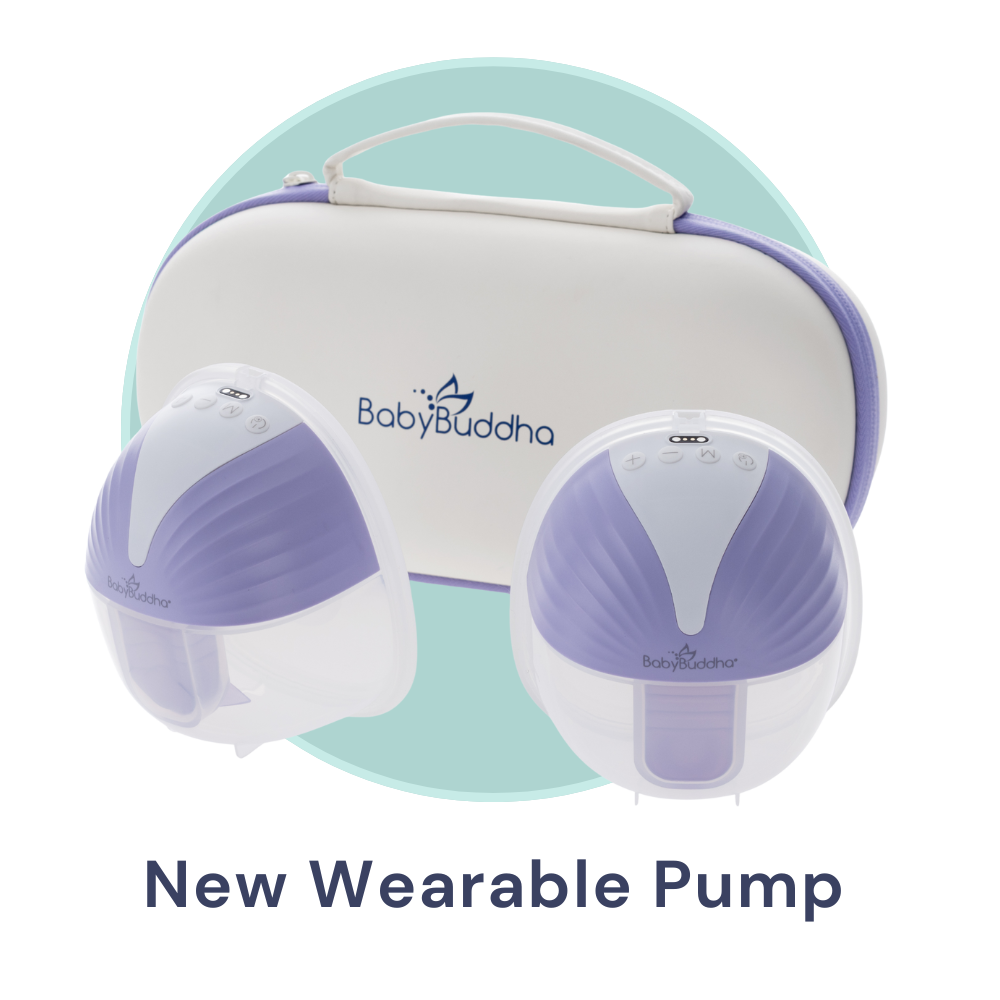
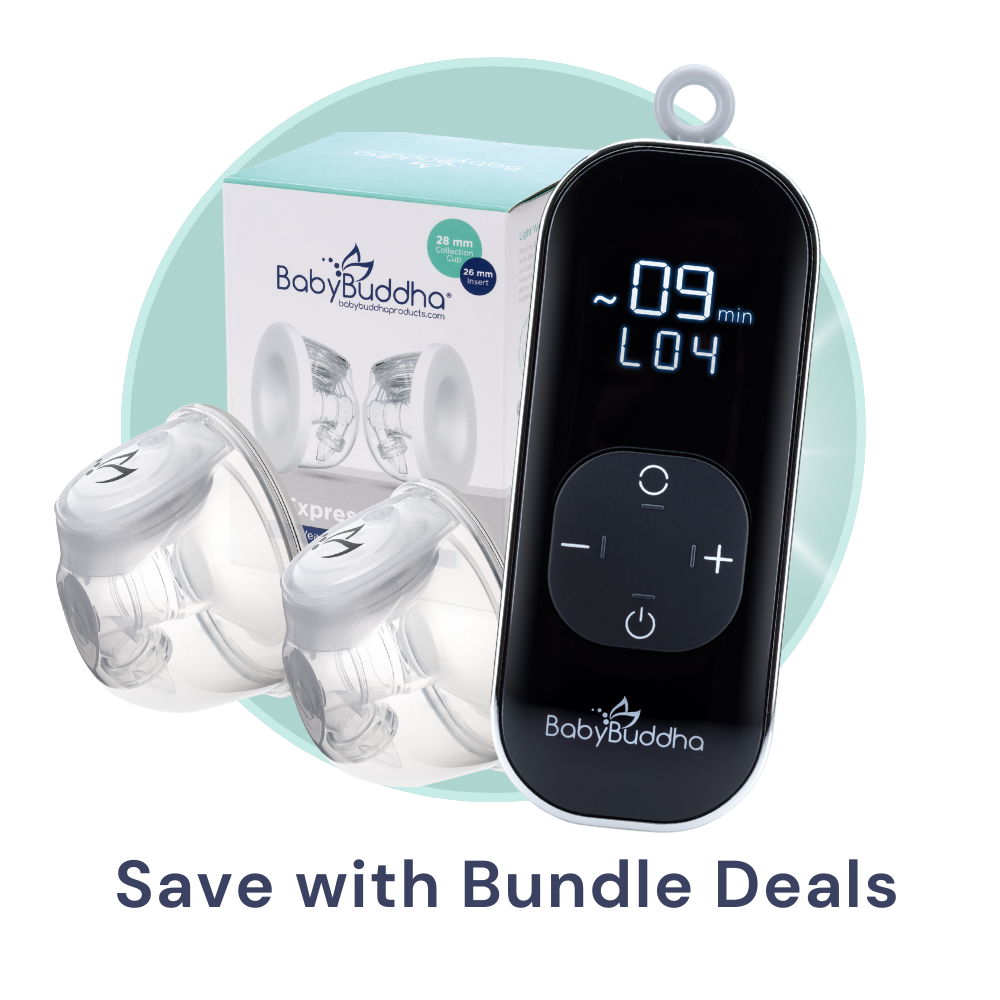
For sessions you need to do while you keep working, pair the 3.0 with our Hands-Free Collection Cups, which use the same motor for in-bra collection, with 8oz capacity per cup and Silicone Cushion Flanges 22mm to 24mm. The BabyBuddha Wearable Breast Pump is the companion for hands-free days, whether that's a session at work you can't stop for, or a nighttime pump you'd rather do while sitting with your baby, with 6oz+ collection cups, in-cup LED lights, 30 comfort settings, and four modes.
Every BabyBuddha customer also has access to our lactation consultant support team, which is often the difference between guessing at your schedule and dialing it in. You can compare the full lineup to see which setup fits your week, and since most U.S. plans cover a pump, our insurance page is a good first stop.
Conclusion
The honest answer to how many times a day you should be pumping is a range, not a number, and the range shifts as you move through the journey. Newborn-stage exclusive pumping is 8 to 12 sessions a day. Established exclusive pumping settles at 4 to 6. Combo feeding usually adds 1 to 3. Returning to work usually means 2 to 3 pumps during the workday. But the rule underneath all of those numbers is that milk removal drives supply, and how completely each session drains matters more than the session count itself.
The pump that makes the schedule sustainable is the one you can stay comfortable using for as many sessions as you need. That's what the BabyBuddha 3.0 Primary Portable Breast Pump is built to be, with a fit kit that solves sizing on day one, four modes and 30 settings to shape sessions to your body, and the option to pair with our Wearable or Hands-Free Collection Cups when a session has to happen on the move.
Find the BabyBuddha pump that fits your schedule, or start with the BabyBuddha 3.0 Primary Portable Breast Pump.