



Most new parents assume that a bad eating day means worse milk. It's one of the most common worries in the first few months, and it's mostly misplaced. Nutrition for breastfeeding mothers matters a great deal, just not in the way the worry suggests. Your body protects your milk first. For several nutrients, if you're running short, your milk still gets its share and the deficit lands on you instead.
That distinction organizes everything that follows. Some nutrients in breast milk track what you eat closely. Others barely change no matter what you eat or supplement. Knowing which is which tells you where to focus your attention, and takes a lot of guilt out of a season that already has plenty. For meal planning and daily habits, our breastfeeding diet guide covers that ground.
Also Read
- Breastfeeding Diet: A Guide to How Nutrition Affects Feeding
- A Complete Guide on How To Increase Breast Milk Supply
- Power Pumping: What Is It and How It Increases Milk Supply
Key Points
Breastfeeding raises your calorie needs by roughly 330 to 500 extra calories a day, depending on which authority you ask, and raises your needs for iodine, choline, and B12 more sharply than most people expect. Milk levels of iodine, B12, choline, selenium, several B vitamins, and the fat-soluble vitamins track what you eat. At the same time, folate, calcium, iron, copper and zinc get drawn from your own stores regardless of intake. Eating well during lactation is less about protecting the milk and more about protecting you. And despite what the internet says, no food has strong evidence behind it for increasing your supply.
- Extra calories are an estimate, not a target. The CDC says 330 to 400 per day; ACOG and NICHD say 450 to 500. None is a number you need to hit precisely.
- There are two groups of nutrients. Some come from your diet; some come from your stores. It's the most useful thing to understand about eating while breastfeeding.
- Iodine is the most diet-sensitive nutrient in breast milk, and the lactation requirement rises to 290 mcg per day. Choline jumps to 550 mg.
- Iron actually drops during lactation to 9 mg per day, lower than the 18 mg recommended for menstruating women.
- Drinking more fluid doesn't raise supply. A Cochrane review found no good-quality evidence that extra fluids improve milk production.
- No food has strong evidence for increasing supply. The Academy of Breastfeeding Medicine declines to recommend any galactagogue.
- Milk removal is the lever that actually moves supply, not what's on your plate.
How Many Extra Calories Do You Actually Need?
The authorities do not agree. The CDC puts it at an additional 330 to 400 calories a day for well-nourished breastfeeding mothers. ACOG says 450 to 500, and puts total daily intake around 2,500 calories for someone whose weight is in the normal range.
The most precise figures come from the National Academies, whose 2023 energy reference intakes are the only ones that vary by stage. Exclusive breastfeeding in months 0 to 6 costs roughly 490 to 600 calories a day depending on the month, offset by about 137 calories mobilized from your own stores, which nets out to an average of about 404. Partial breastfeeding in months 7 to 12 works out to about 381 calories a day, with no offset applied.
That offset explains something people find confusing. A modest energy deficit is built into the physiology of early lactation, which is why postpartum weight loss often happens on its own and why aggressive dieting isn't necessary.
Your own number depends on you: the CDC notes needs vary with age, BMI, activity level, and whether you're exclusively breastfeeding or combination feeding. Eat to appetite with nutrient-dense food rather than counting toward a target calculated for a population.

The Two Buckets: What Your Diet Changes and What It Does Not
Bucket one: Nutrients that track your diet
Thiamin, riboflavin, vitamin B6, vitamin B12, choline, selenium, iodine, vitamin A, and vitamin D all show milk concentrations that follow your intake and status. Nutrition researcher Lindsay Allen laid out this framework in Advances in Nutrition, describing these as nutrients whose "secretion into milk is rapidly and/or substantially reduced by maternal depletion." A National Academies workshop restated the grouping, added the fat-soluble vitamins generally, and singled out iodine as the most sensitive of all to maternal intake.
Bucket two: Nutrients drawn from your stores
Folate, calcium, iron, copper and zinc behave differently. Milk concentrations of these do not change meaningfully with maternal supplementation. As Allen puts it, the mother "gradually becomes more depleted when intake is less than the amount secreted in milk, and maternal supplementation benefits the mother rather than the infant."
The consequence, in plain language: eating well while breastfeeding is mostly about protecting your own reserves. Your milk is largely buffered, but you are not.
Two nutrients sit outside the framework. For vitamin D, the CDC reports that the Dietary Guidelines for Americans and the American Academy of Pediatrics both recommend supplementing the infant with 400 IU daily from the first few days of life. For omega-3s, LactMed notes flaxseed oil raises the ALA content of breast milk but not the DHA content, since raising milk DHA requires preformed DHA from seafood or marine oils.
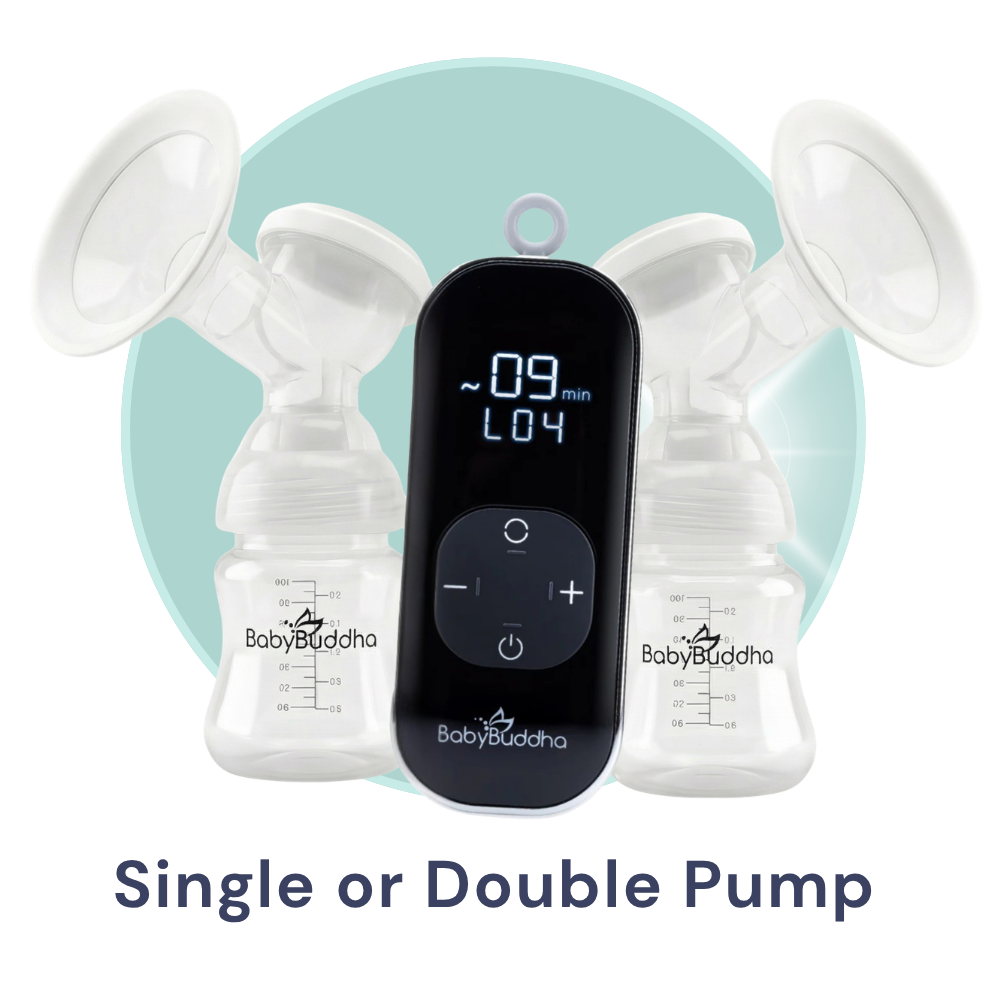
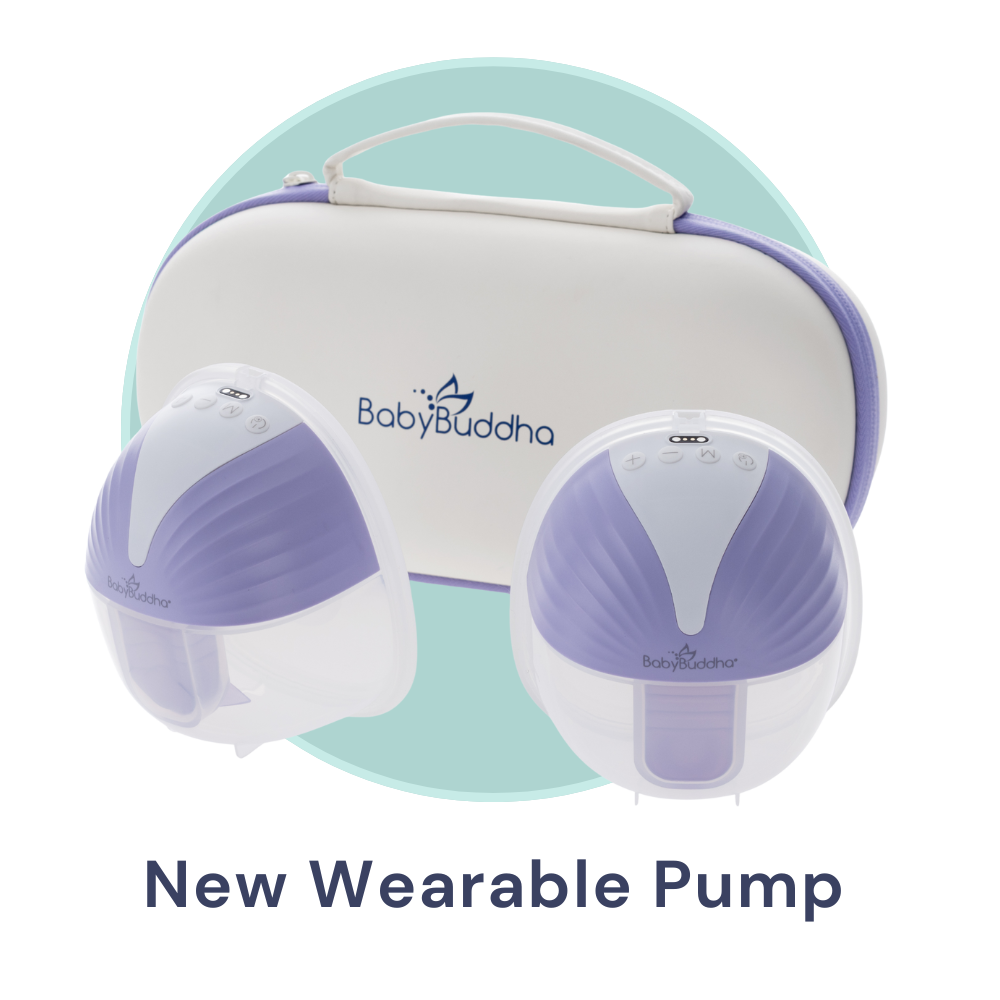
Supply responds to removal, not to recipes. Frequent, comfortable milk removal does more for supply than any food on any list. Find the BabyBuddha pump that fits your routine.
Lactation Nutrient Targets
| Nutrient | Daily target | Worth knowing |
|---|---|---|
| Protein | 71 g | Up from 46 g |
| Iodine | 290 mcg | Most diet-sensitive nutrient in milk |
| Choline | 550 mg | A steep jump |
| Vitamin B12 | 2.8 mcg | Infant status follows yours |
| Folate | 500 mcg DFE | Down from 600 in pregnancy |
| Zinc | 12 mg | Up 4 mg |
| Iron | 9 mg | Below the 18 mg for menstruating women |
| Calcium | 1,000 mg | Unchanged |
| Vitamin D | 15 mcg (600 IU) | Unchanged; supplement the infant |
| Omega-3 as ALA | 1.3 g | No U.S. intake exists for DHA |
| Fiber | 29 g | First thing to slip postpartum |
These are the reference intakes for lactating adults aged 19 to 50, published by the National Academies and compiled by the NIH Office of Dietary Supplements. Lactating teens aged 14 to 18 differ on several, including calcium at 1,300 mg.
Iron going down surprises almost everyone, while iodine and choline jump the most and are easiest to fall short on without noticing. There is no U.S. reference intake for DHA specifically, which is why guidance defaults to the FDA and EPA recommendation of 8 to 12 ounces per week of lower-mercury fish.
Foods That Raise Supply, and Foods That Lower It
Start with the honest answer on galactagogues. ABM Clinical Protocol #9 states that "ABM cannot recommend any specific galactagogue at this time," and notes the placebo effect "may be the reason for widespread anecdotal experience of their effectiveness."
Fenugreek, the most popular, doesn't hold up well. LactMed reports one meta-analysis found a mild effect with an unknown safety profile while another found no good evidence at all. Among 85 U.S. mothers who had used fenugreek, 45% reported an adverse reaction. Brewer's yeast fares no better: "No scientifically valid studies in humans have been performed that establish any effect of brewer's yeast on milk supply." Oats, despite their reputation, have no LactMed monograph at all, and the one randomized trial of a lactation cookie containing oatmeal, brewer's yeast, flaxseed, and fenugreek found 5.5 mL per hour against 5.8 in the control group.
The line that matters most is ABM's own: galactagogues "will not increase the milk supply if there is infrequent or inadequate breast drainage." Removal has the best effect. Everything else is a rounding error by comparison.
On the other side of the ledger, beer doesn't increase supply. The Academy of Nutrition and Dietetics says so flatly, and LactMed's alcohol entry notes that alcohol can decrease production, with five drinks or more disrupting letdown. The best-evidenced supply reducer is a medication rather than a food: LactMed reports that a single 60 mg dose of pseudoephedrine produced a mean 24% decrease in milk production over the following 24 hours in eight nursing mothers, with oxymetazoline suggested as an alternative.
Sage, peppermint and parsley are weaker cases than their reputations suggest: LactMed found no clinical trials showing any of them suppress lactation, and no scientific information linking coffee to milk supply, either. Severe calorie restriction is the real risk in this group, and if supply drops suddenly, our guide to the common causes is a better place to start than your grocery list.
Drainage is the lever, and comfort is what makes it repeatable. Four modes and 30 settings, so it's a session you'll come back to. See the BabyBuddha 3.0.

Fluids, Caffeine, Alcohol and Weight Loss
Drinking more doesn't make more. Adequate total water intake during lactation is 3.8 liters a day from all sources, but that figure describes what well-hydrated women consume rather than prescribing a dose. A Cochrane review on extra fluids found no randomized trials that qualified for inclusion, and the one lower-quality study it did include reported that advising women to drink extra fluids did not improve milk production. Dehydration can reduce supply; drinking past thirst doesn't raise it. ACOG's marker is to drink more if your urine is dark yellow.
Caffeine has room in a normal day. The CDC puts low to moderate intake at about 300 mg or less, roughly two to three cups of coffee, and notes that reports of infant irritability and poor sleep come from very high intakes, about ten cups a day or more. ACOG puts moderate at 200 mg. Preterm and younger newborns break down caffeine more slowly, so their mothers may want to sit lower. More in our post on coffee while breastfeeding.
Alcohol has a timing answer rather than a ban. The CDC says not drinking is safest, and that up to one standard drink in a day isn't known to be harmful to the infant. Levels peak in milk 30 to 60 minutes after a drink, and the CDC advises waiting at least 2 hours before nursing. Pumping and dumping doesn't speed clearance: the CDC states that discarding milk "Does not reduce the amount of alcohol in the mother's milk more quickly." Do it for comfort, not safety.
Gradual weight loss is well supported. The Academy of Nutrition and Dietetics calls about one pound per week a safe goal and warns that restricting calories too much may reduce supply. A randomized trial in the New England Journal of Medicine tested roughly that rate in 40 overweight, exclusively breastfeeding women using diet and exercise together, and found no effect on infant growth.
How BabyBuddha Fits Your Supply
Removal beats recipes. Frequent, complete milk removal does more for supply than any food on any list, which is why the pump you use matters more than the snacks you buy. Comfort makes that consistency possible, and the BabyBuddha 3.0 offers four modes and 30 settings so you can find a session you'll repeat rather than dread.
Power pumping is the evidence-aligned lever, since adding drainage is the intervention with a mechanism behind it. Fit belongs in the same conversation: a flange sized to you moves more milk than a standard one, and the 3.0 ships with a sizing kit covering 13mm to 24mm.
Nutrition Questions Worth Answering
Do I need to eat perfectly to make good milk? No. Several nutrients in milk are buffered against your intake, drawn from your stores instead. Eating well matters most for protecting you.
What foods increase milk supply? None with strong evidence. The Academy of Breastfeeding Medicine cannot recommend any specific galactagogue, and notes that supply will not rise if drainage is infrequent or incomplete.
How much water should I drink while breastfeeding? Enough to satisfy thirst. The 3.8 liter figure describes typical intake rather than a dose, and extra fluids beyond thirst have not been shown to raise production.
Can I drink coffee and alcohol while breastfeeding? Coffee in moderation, about 300 mg of caffeine or less per day according to the CDC. For alcohol, up to one standard drink isn't known to be harmful, and waiting at least 2 hours before nursing is the conservative approach.
Conclusion
If you remember one thing, make it the two buckets. Iodine, B12, choline, the fat-soluble vitamins, and DHA track what you eat. Folate, calcium, iron, copper, and zinc come out of your reserves whether you replaced them or not.
That reframes the question. Eat well for yourself, because that's where a shortfall lands, and let go of the idea that one imperfect week shortchanged your baby. Supply responds to how often and how completely you remove milk, not to what you had for lunch. This article is informational; for your own situation, especially on a restricted diet or when considering supplements, talk to your clinician or an IBCLC.
Consistent, comfortable milk removal supports your supply. The 3.0 has four modes, 30 settings, and a flange kit sized to you, so it's a session you'll repeat. Find the BabyBuddha pump that fits your routine.