

Medela is the name most moms hear first. It's the pump in the hospital, the one a sister or a coworker used, and the brand a lactation consultant mentions without thinking twice. That history matters, and it's a fair place to start a search.
Then you go back to work, and the question changes. A pump that sits on a nightstand all day has an easy job. A pump that rides in your bag, sets up in a room you borrowed, runs through a 20-minute break, and packs away before your next meeting has a hard one.
Both brands make good pumps. BabyBuddha vs Medela isn't a question of which one wins on a spec sheet; it's which one holds up in the place you'll be standing. This guide runs the BabyBuddha 3.0 Primary Portable Breast Pump and Medela's current workday pumps through that day, section by section.
Also Read
- How Many Times a Day Should I Be Pumping?
- Mobile Breast Pumps: How to Choose for Work, Travel, and Daily Routines
- What Are Some Tips for a Breast Feeding Working Mother?
The Quick Answer
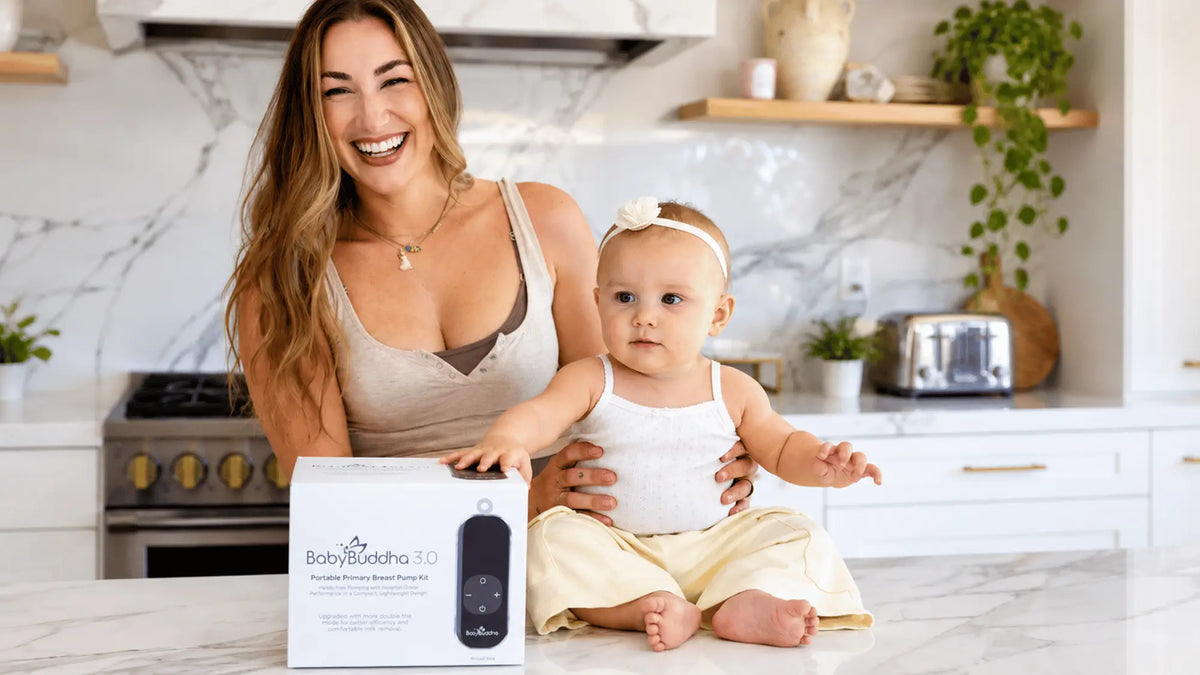
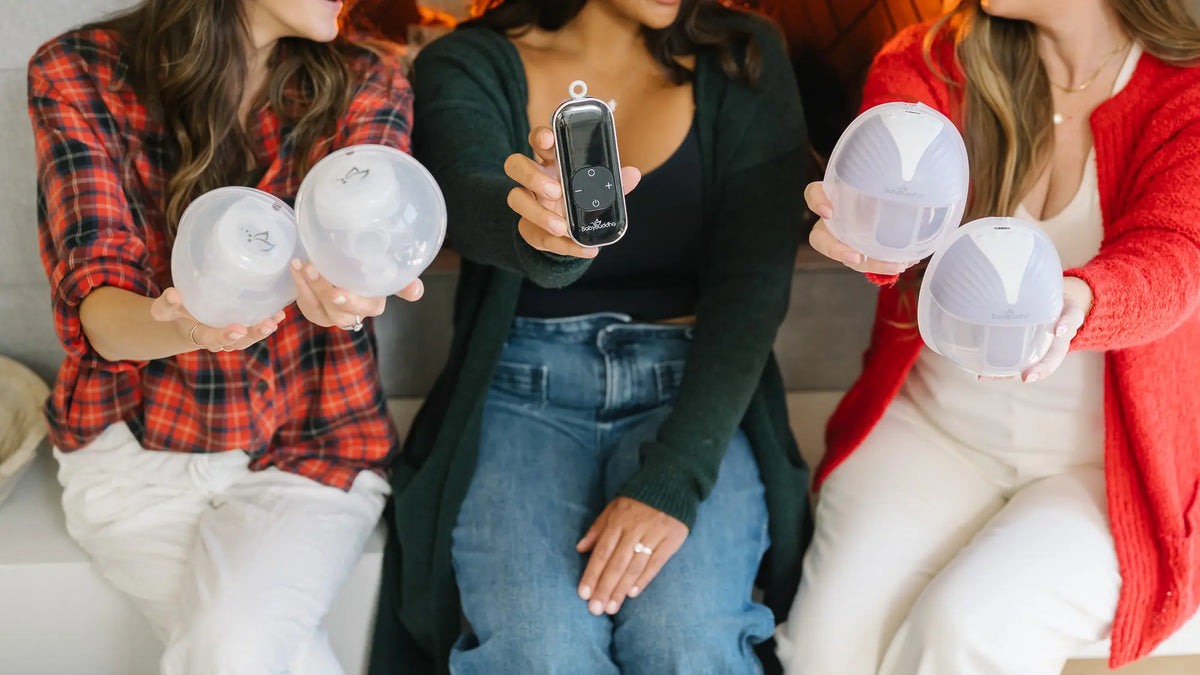
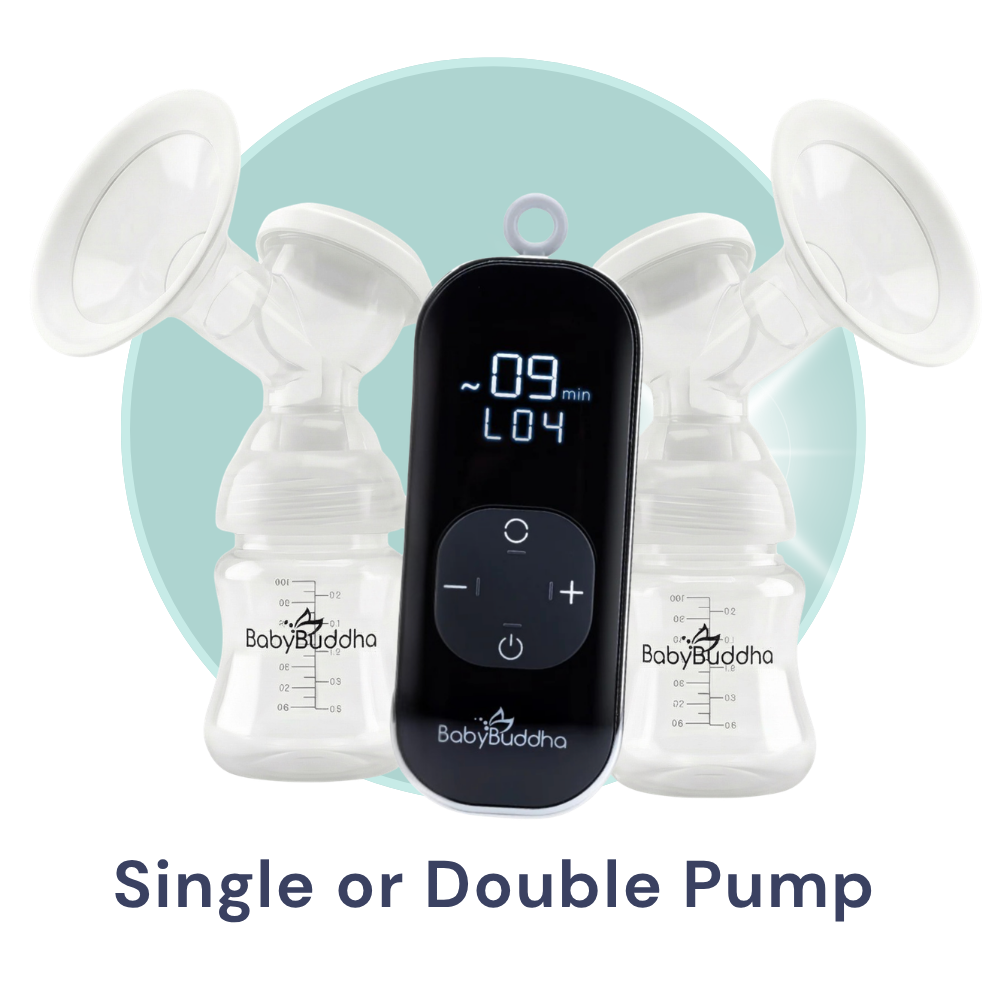
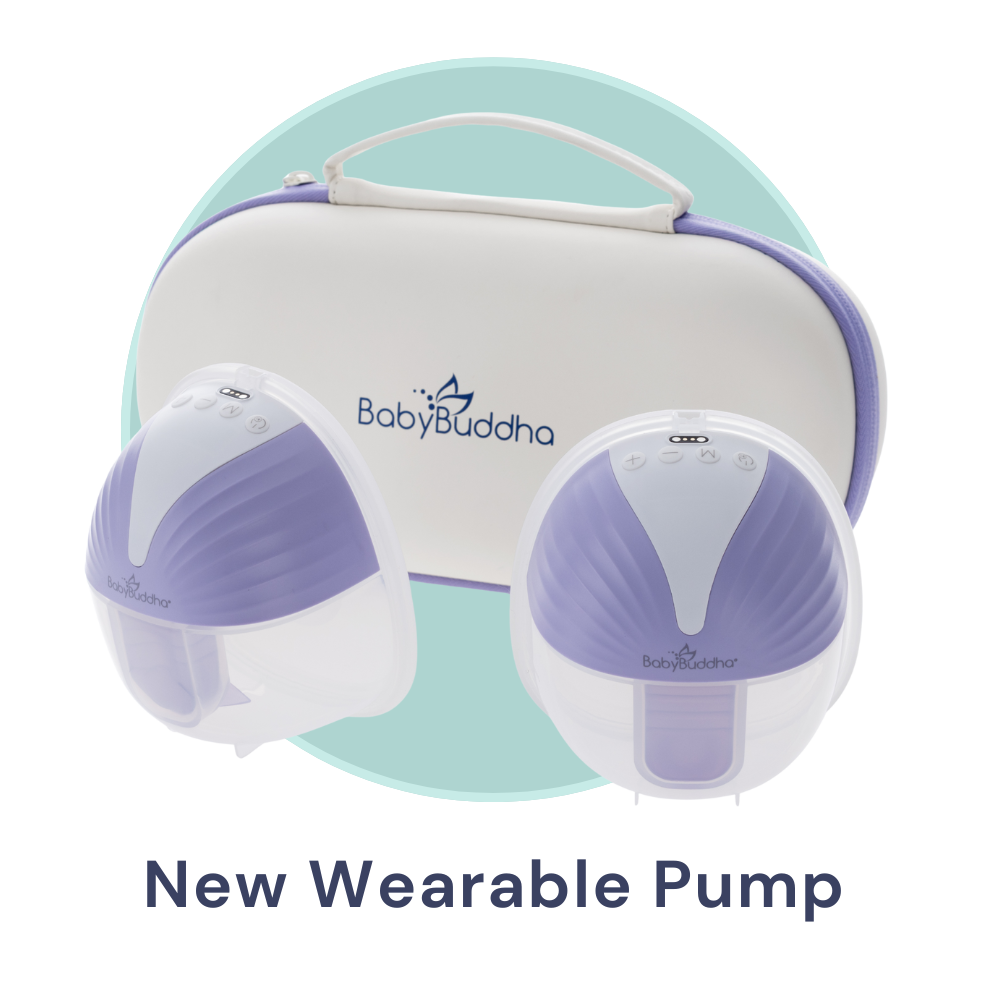
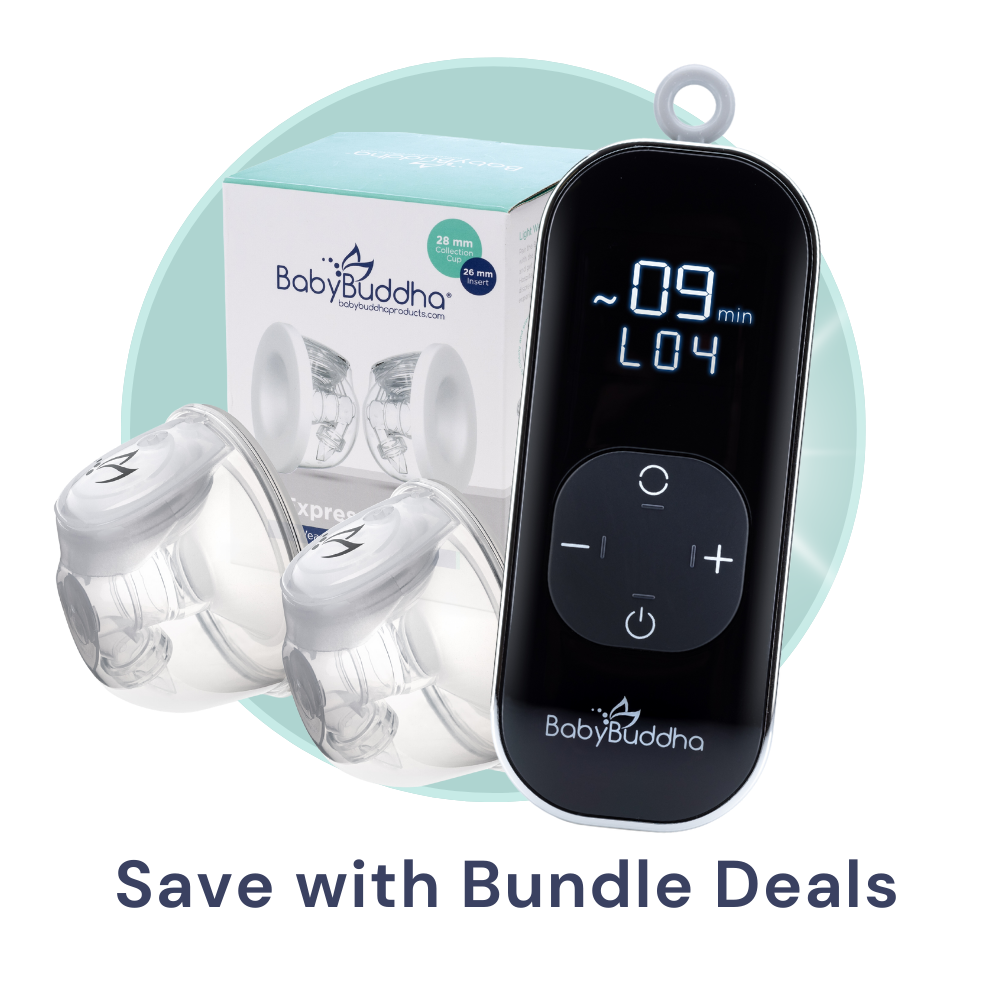
If you pump from one fixed spot with an outlet nearby, Medela's Pump In Style Pro does that job well and carries decades of clinical familiarity behind it. If your sessions move between borrowed rooms, cars, and the gaps between meetings, the BabyBuddha 3.0 Primary Portable Breast Pump fits that pattern: hospital-strength suction up to 320 mmHg from a motor small enough to clip on, four modes across 30 settings, and the EasyFit Flange Kit included. Medela's Freestyle Hands-Free covers in-bra sessions, and BabyBuddha answers that with the BabyBuddha Wearable Breast Pump.
Key Points
- Suction strength sets your session length. The BabyBuddha 3.0 reaches 320 mmHg, so a short break can still be a complete session.
- Count modes and levels together. The 3.0 runs four modes across 30 settings. The Pump In Style Pro runs two modes with 16 levels in each, and the Freestyle Hands-Free runs a two-phase pattern with up to 9 levels per phase.
- Size decides whether the pump travels. The 3.0's 6oz motor goes in a work bag. At 1.23 lbs for the motor alone, Medela's Pump In Style Pro asks for a dedicated spot.
- Power shapes where you can pump. Medela lists an A/C adaptor for the Pump In Style Pro and no battery, so a parked car or a room with no free outlet rules it out.
- Fit beats brand every time. The right flange size changes output more than swapping two good pumps does.
- Cleanup costs you minutes you don't have. Fewer pieces that touch milk means faster turnarounds between sessions.
The Workday Test: What a Pump Has to Survive Between Meetings

Start with the constraints rather than the pump. A fixed break length you don't control. A room that belongs to someone else, or no room at all. A bag you already carry too much in. A schedule that moves without warning. Those four things decide more than any feature list.
Most comparisons rank pumps in the abstract, which is how moms end up with a pump that tests beautifully at home and falls apart at the office. The better question is narrower: in the place you'll be standing, with the minutes you'll have, which pump finishes the session?
Five things answer that, and the rest of this guide takes them in order: suction and speed, size and noise, power, fit, and cleanup.
Suction and Session Speed: Emptying in the Time You Have
Pumps measure suction in mmHg, which indicates how much vacuum the pump can pull. Higher peak suction gives you headroom, not an obligation to use it. Most moms settle well below the maximum, and the comfortable setting you can hold for a full session beats the high one you cut short. Our guide to breast pump suction levels walks through how to find yours.
The BabyBuddha 3.0 delivers hospital-strength suction up to 320 mmHg. It runs four modes across 30 settings: six Soft Stimulation settings, six Classic Stimulation settings that carry BabyBuddha's signature long pull, nine Classic Expression settings, and nine Double Drop Expression settings. Double Drop Expression cycles faster at the same strength as Classic Expression, which gives you a second rhythm to switch to when a session slows down.
Medela publishes its mode structure rather than a vacuum figure on its product pages. The Pump In Style Pro runs two modes, Stimulation and Expression, with 16 vacuum levels in each, and it switches from the first to the second automatically after 60 seconds. The Freestyle Hands-Free runs Medela's 2-Phase Expression with a stimulation phase and an expression phase, with up to 9 vacuum levels in each. Medela lists its vacuum range in the instructions for use rather than on the page, so treat any mmHg figure you see quoted elsewhere with care.
Speed matters at work for a simple reason. A session that finishes inside your break is a session you don't cut short, and short sessions repeated across a week push supply in the wrong direction.
Size, Noise, and What Fits in a Work Bag

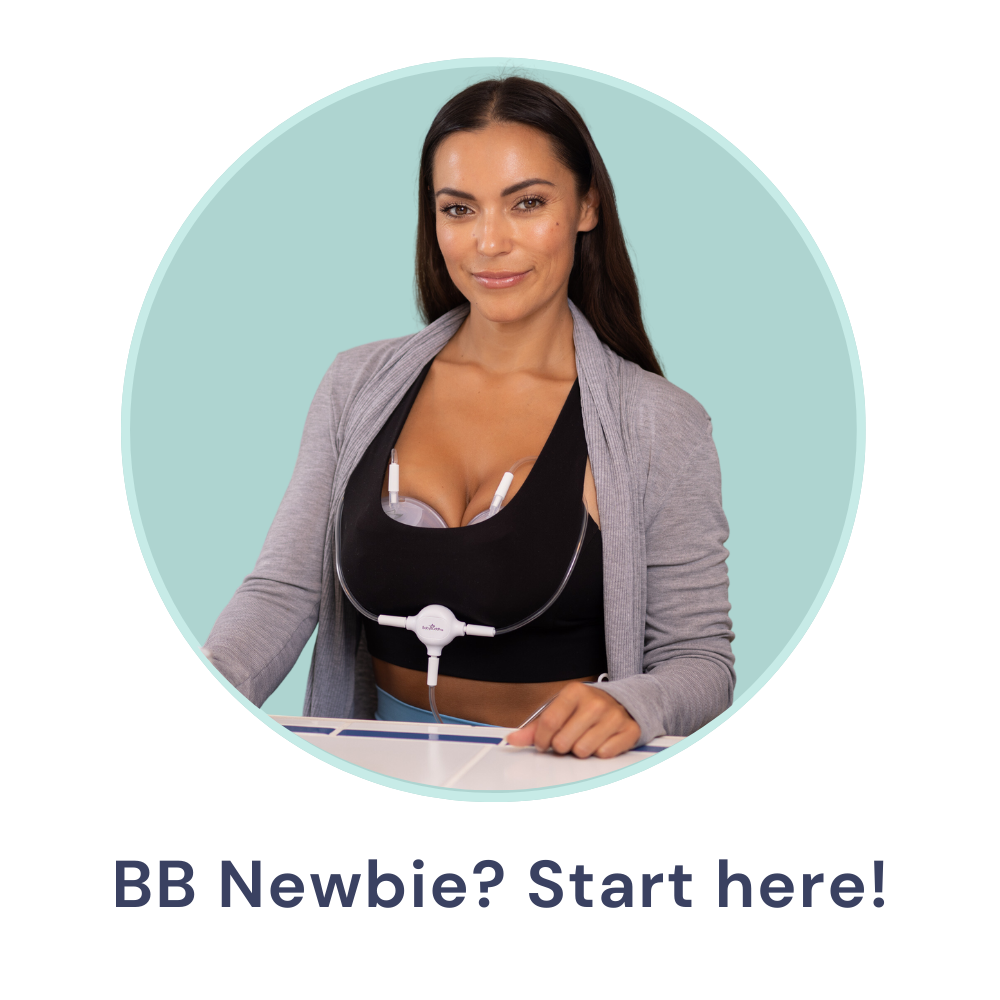
These two setups differ in one structural way: where the motor lives. The BabyBuddha 3.0's motor is small enough to clip to a lanyard or drop in a pocket, which removes the setup ritual entirely. You don't build a station. You put the pump on.
Medela offers weights for both pumps. The Pump In Style Pro motor is 1.23 lbs, or 560 g, on its own. The Freestyle Hands-Free motor is 9.63 oz, with each collection cup at 2.7 oz, and Medela puts the full system at 0.98 lbs. Those are honest numbers for what you carry, and the gap between a station motor and a wearable system shows up by the third day of hauling one.
Noise deserves a qualitative answer. A borrowed conference room has none of the soft furnishings that absorb sound at home, so the same motor reads louder there than it does in your bedroom. BabyBuddha describes the 3.0 as extra quiet and doesn't publish a tested decibel figure, and neither does Medela on these pages. Anyone quoting precise decibel comparisons between the two is working from somewhere other than the manufacturers.
The honest test is the bag. Lay out everything a session needs: motor, tubing, flanges, bottles or cups, and a power source. Then carry it for a week. For a fuller look at what travels well, see our guide to mobile breast pumps for work and travel.
Power: Outlets, Batteries, and the Parked Car
Battery-first pumping turns a parked car, a supply closet, or an airport gate into a usable spot. Outlet-first pumping anchors you to the one room with a free socket, and at work that room often has a queue.
The BabyBuddha 3.0 charges over USB-C and reaches a full charge in about four hours, so most moms top it up overnight and keep a cable in the bag. Medela lists an A/C power adaptor for the Pump In Style Pro and doesn't list a battery, which makes it a plug-in pump by design. The Freestyle Hands-Free charges by USB-C, and Medela puts its runtime at about two hours between charges, based on an average of eight 15-minute sessions.
Match that to your day rather than to the spec. If you pump twice at a desk with a socket under it, power never becomes a problem. If you pump on a hospital floor, between client sites, or in a car on a commute, you'll keep the pump that runs without a wall.
Fit: The Lever That Changes Your Output
Sizing beats brand loyalty. A strong pump running the wrong flange size underperforms a lesser pump with the right one, and research in the Journal of Human Lactation shows that flange sizing affects both comfort and milk output. Fit is the first thing to check when output drops, and the last thing most people look at.
The BabyBuddha 3.0 ships the EasyFit Flange Kit: two 24mm flanges, ten inserts sized 13 to 21mm, and a nipple-sizing ruler, for a total fit range of 13 to 24mm. Sizing happens on day one rather than after a painful week, and the detachable flange design speeds up cleaning.
Medela includes two 21mm and two 24mm PersonalFit Plus breast shields with the Pump In Style Pro, and sells PersonalFit Flex shields in 21, 24, and 27mm plus an 18mm PersonalFit Plus separately. The Freestyle Hands-Free comes with 21mm and 24mm shields for its cups. If you size below 21mm or above 24mm, check what that means for a second purchase before you buy.
The common mistake isn't a knowledge gap; it's a timing one. Plenty of moms pump for weeks at the size that shipped in the box and read the discomfort as normal. Measure early with the flange fitting guide, and browse flanges and inserts if your size sits outside what came with your pump.
Hands-Free at the Desk, and the Honest Tradeoff

Two setups free your hands. You can pair a portable motor with in-bra collection cups, or you can wear a pump that holds the motor in the cup itself. They're different products with different trade-offs, and "hands-free" covers both.
Medela answers this with the Freestyle Hands-Free, which pairs its motor with collection cups that hold up to 5 oz each. BabyBuddha answers it two ways: the Express Cups Plus attach to the 3.0 motor you already own, and the BabyBuddha Wearable Breast Pump puts everything in the bra.
The tradeoff is straightforward. An in-bra pump buys you invisibility during a meeting you can't leave. It isn't built to replace a primary pump while you're establishing or protecting a supply, and that holds for both brands. Plenty of moms run a primary pump for the full sessions and a wearable for the ones they'd otherwise skip.
Cost, Insurance, and What You Pay Twice For
Both brands move through the same durable medical equipment suppliers, and most plans cover a pump at no cost under the Affordable Care Act. Our insurance page covers how to start that order.
The budget question people miss is the second pump. Moms who choose a station-style pump often buy a portable later for work and travel, which turns the comparison into a two-pump budget against a one-pump budget. Price the setup you'll end up with rather than the box you're looking at.
One note on terminology, because it affects how you read every comparison online. Hospital-grade is not an FDA-recognized classification. The FDA regulates breast pumps by their intended use and by whether they're meant for one user or many, not by a marketing tier. That's why BabyBuddha describes the 3.0 as hospital-strength rather than hospital-grade, and why you should judge any pump on suction, cycle control, and fit instead of on the phrase.
Which One Fits Your Workday
Choose BabyBuddha if your sessions move. Borrowed rooms, commutes, travel days, short breaks, or a bag that's already full all point the same direction, and the 3.0 handles home sessions and workday sessions with one motor.
Choose Medela if you pump from one fixed station with power nearby and want the brand your lactation consultant has used for years. That familiarity pays off when you're troubleshooting at 2 a.m.
By scenario: a desk with a door that closes suits either pump, so pick on noise and cleanup. A shared lactation room on a fixed schedule rewards the pump that sets up fastest. Hospital or shift work rewards battery power. Frequent travel rewards the smallest complete kit. Exclusive pumping on a work schedule rewards suction headroom and a low part count, since you'll repeat the whole routine eight times a day. Our breast pump decision tree works through those cases in more detail.
Conclusion
Bring it back to the workday. You need suction that finishes the session in the minutes you're given, a motor that fits the bag you already carry, power that doesn't depend on the room, and a fit that stays comfortable from the first week. The better pump is the one that matches where you pump, not the one with the longer history.
For moms whose sessions have to move with them, the BabyBuddha 3.0 Primary Portable Breast Pump suits that pattern, with the BabyBuddha Wearable Breast Pump covering the hours when stopping isn't an option. Check your insurance coverage first, since most moms can get started at no cost.