

Modern motherhood doesn't pause for pumping—and that's precisely why the right mobile breast pump can feel like one of the most transformative tools you own during your breastfeeding journey. Whether you're pumping in a conference room between meetings, in an airport gate lounge between flights, or in the backseat of a car while someone else drives, a true mobile pump doesn't just move with you. It performs with you.
But not all "portable" pumps are equally mobile. Some are compact in name only—still dependent on wall power, too heavy to carry comfortably, or too loud to use in shared spaces. The most capable mobile pumps combine hospital-grade suction with a battery that runs the length of a real workday, a motor small enough to clip to your clothing, and accessories that make the full session—from setup to cleanup—as fast as possible.
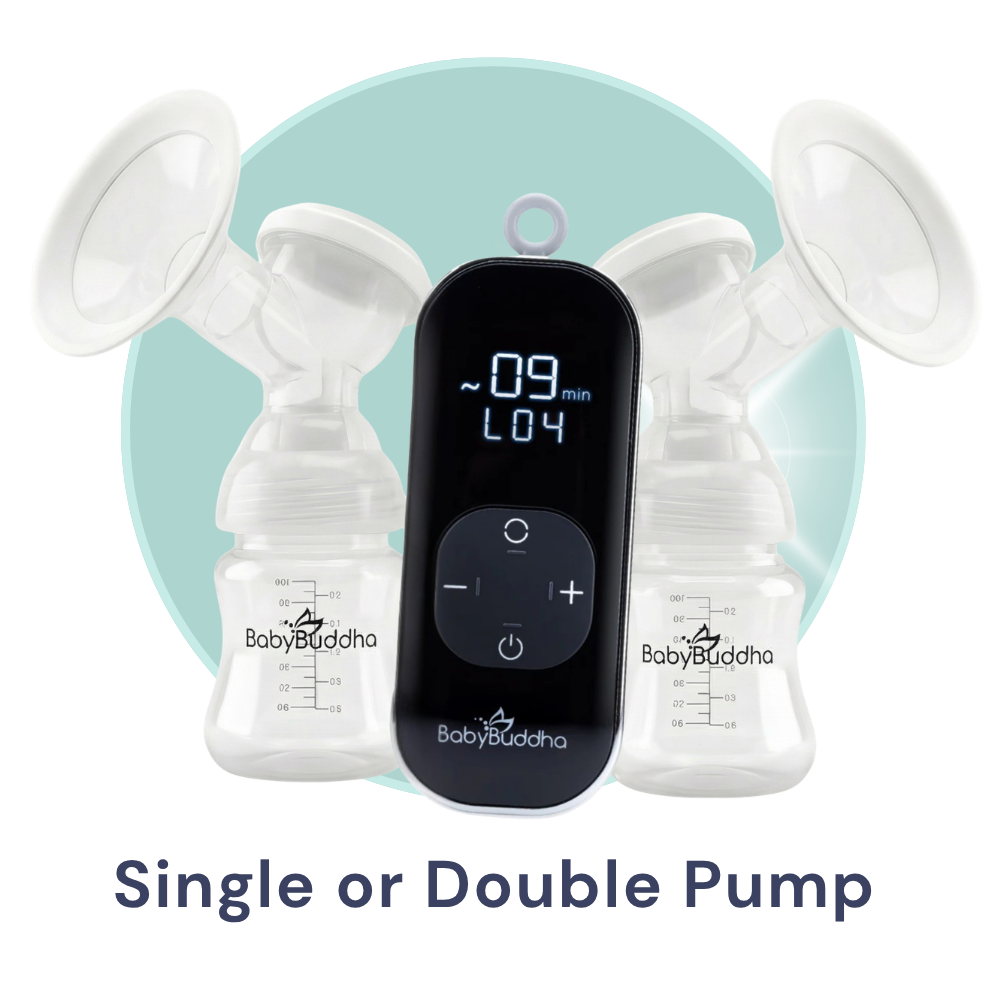
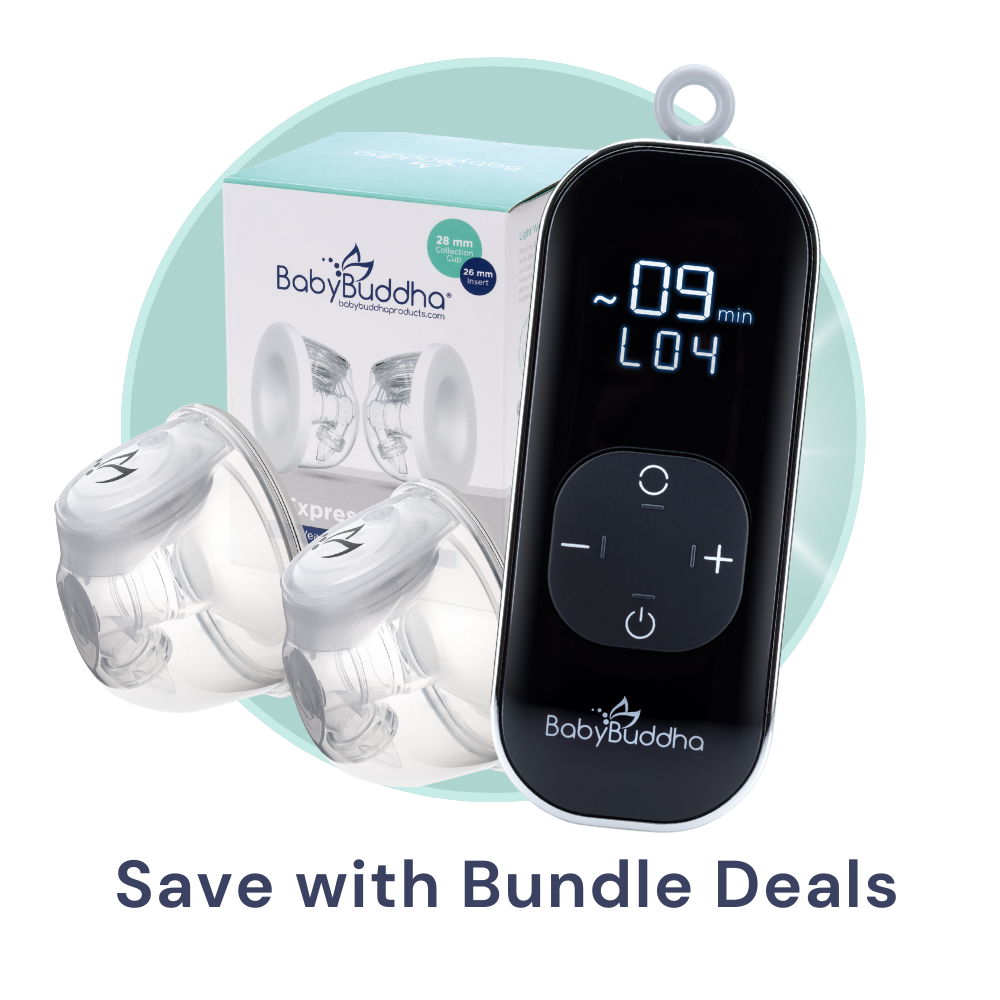
The BabyBuddha 2.0 was built specifically around this reality: a 6.3-ounce motor with 320 mmHg of hospital-grade suction, 2+ hours of battery on a 60-minute USB-C charge, and a lanyard that makes truly hands-free pumping anywhere a reality.
This guide covers everything you need to choose the right mobile pump for your specific situation: how portability specs actually translate to real-world use, what working and traveling mothers need to know about pumping logistics, and how to build a mobile pumping kit that doesn't leave you scrambling.
Explore the BabyBuddha pumps collection to see what's available before we dive in.
Pump Anywhere. No Compromise.Hospital-grade suction. 6.3 oz. 2+ hours on one charge. See the pump built for real-world mobile life. Shop the BabyBuddha 2.0 |
TL;DR
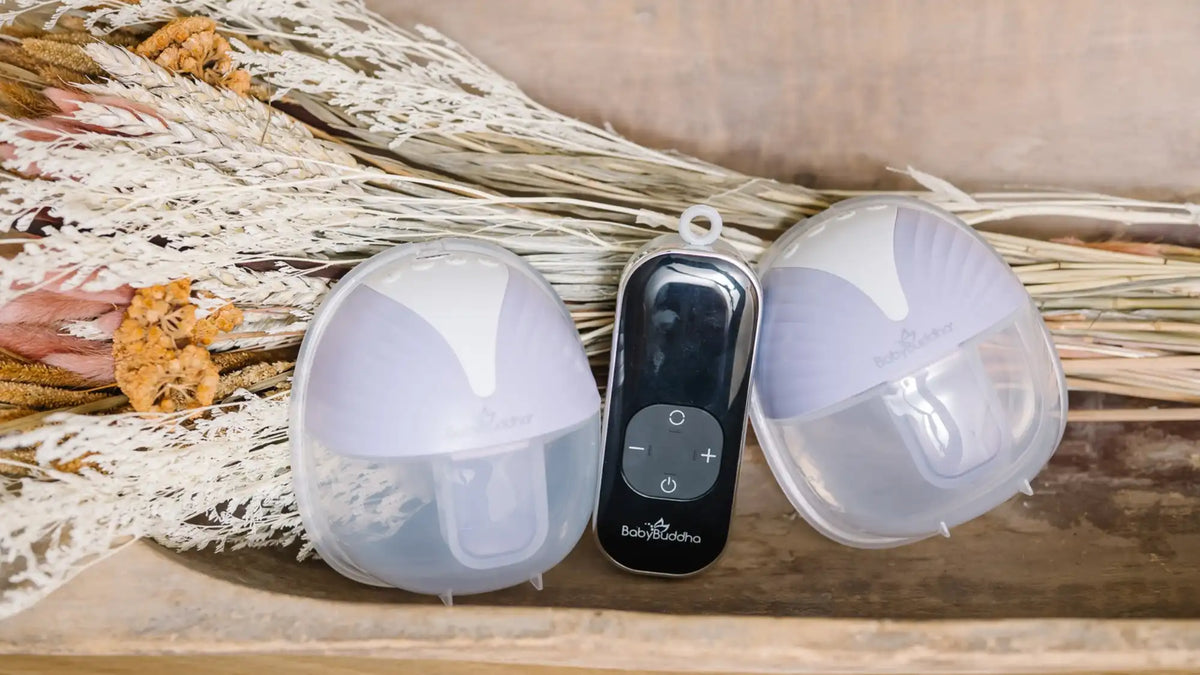
The best mobile breast pump for most mothers combines hospital-grade suction (300+ mmHg), a battery runtime of at least 2 hours, a motor under 8 ounces, USB-C or USB rechargeable charging, and a wearable option or hands-free carry system. The BabyBuddha 2.0 checks every box: 320 mmHg, 6.3 oz, 2+ hours on a 60-min charge, and a hands-free neck lanyard. For in-bra discretion, the BabyBuddha Wearable Breast Pump and hands-free collection cups extend the system's mobile capabilities.
Key logistics to plan ahead: TSA rules for breast pumps and milk, federal break-time rights for nursing mothers at work, and proper milk storage timelines for travel.
Key Points
- A mobile breast pump needs to combine suction power, battery life, motor weight, and hands-free capability—most "portable" pumps compromise on at least one of these.
- The BabyBuddha 2.0's 6.3-ounce motor is at least 20% lighter than comparable hands-free motors, and its 60-minute USB-C charge powers 2+ hours of pumping—enough for a full workday's sessions.
- Federal law requires employers with 50+ employees to provide break time and a private, non-bathroom space for nursing mothers to pump under the FLSA Break Time for Nursing Mothers provision.
- TSA allows breast pumps in carry-on and checked bags; breast milk is exempt from the 3.4 oz liquid rule and may be carried through security in any quantity with proper declaration.
- The CDC's guidelines state that freshly expressed breast milk is safe at room temperature for up to 4 hours—long enough for most flights and travel days when used with an insulated bag.
- BabyBuddha's EasyFit insert system (13–24 mm) ensures correct flange fit even when pumping in non-ideal conditions—essential for session efficiency during travel and rushed workday sessions.
- Building a complete mobile pump kit—pump, flanges, extra bottles, charging cable, insulated bag, and cleaning supplies—eliminates the most common travel pumping disruptions before they happen.

Portable vs Wearable: What's the Difference?
Portable Breast Pumps
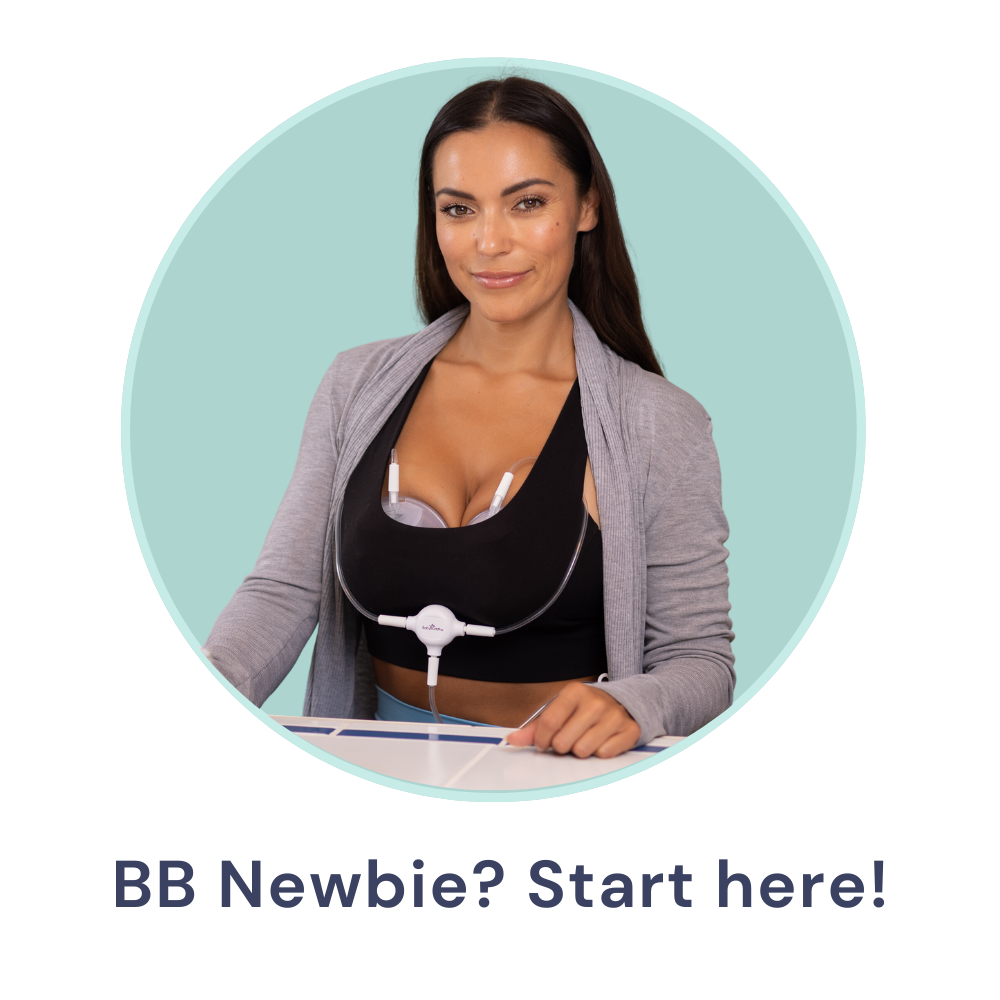
A portable breast pump is any breast pump that runs on battery power (rather than requiring a wall outlet) and is compact enough to carry in a bag. The pump typically consists of a motor unit connected via tubing to flanges that attach to bottles. The motor hangs from a neck lanyard, clips to clothing, or sits on a nearby surface while you pump. The flanges and bottles are visible under clothing, but the motor can travel freely with you. Portable pumps generally offer the highest suction performance because the motor is external and larger.
The BabyBuddha 2.0 is the benchmark portable pump for mobile use: 6.3 ounces, 320 mmHg, 21 suction level combinations, and a hands-free lanyard carry system that means no surface is required. You can pump while standing, walking between meetings, or sitting in a gate area—without holding the motor in your hand.
Wearable Breast Pumps
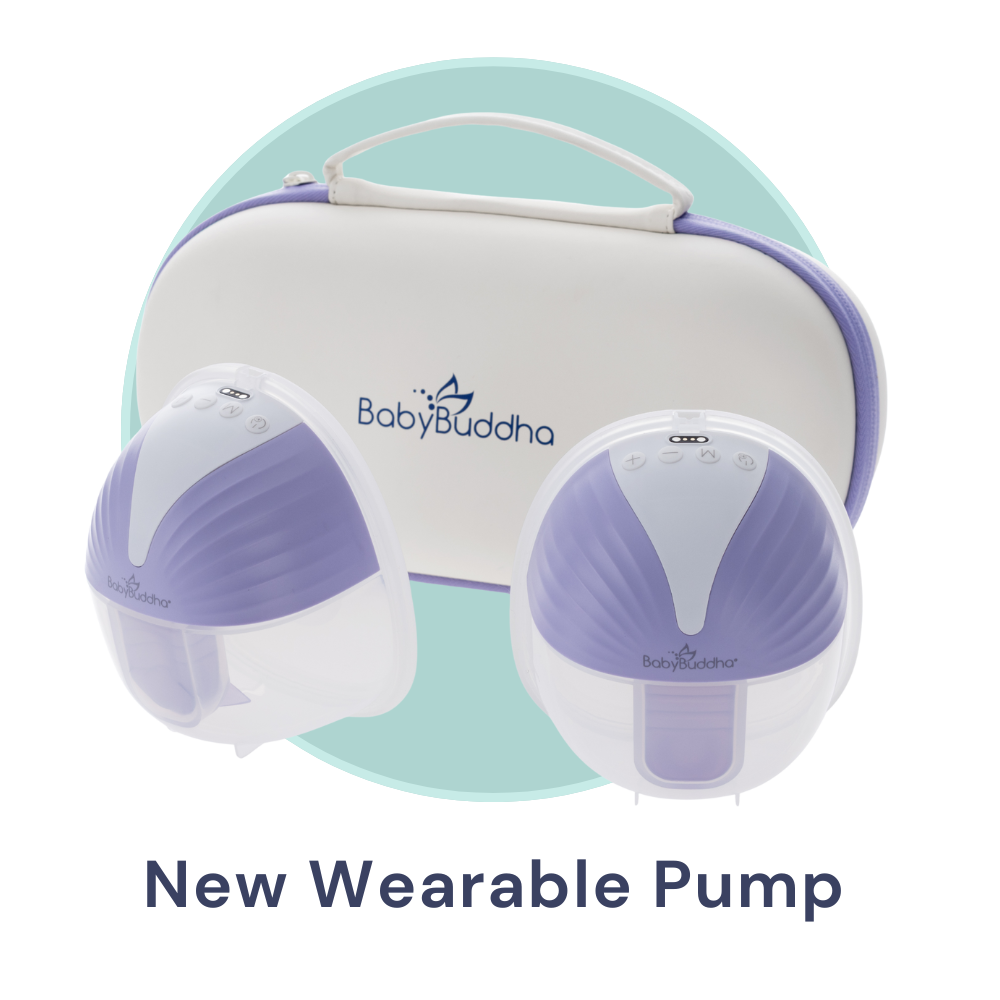
A wearable breast pump places some or all of its components inside the bra cup, making the pump profile invisible or nearly invisible under clothing. Some wearable designs place only the collection cups inside the bra and connect them via tubing to a small external motor; others are fully tubeless and wireless, with the entire motor inside the cup.
Wearable pumps trade some suction headroom for maximum discretion—they're the choice for situations where even a lanyard-hung motor would be visible or disruptive.
BabyBuddha's wearable options include the BabyBuddha Wearable Breast Pump and hands-free collection cups, which fit inside a pumping bra for a discreet, fully hands-free experience. For mothers who pump in open-plan offices, during video calls, or in shared spaces where a visible flange-and-bottle setup would draw attention, the wearable cup option is the right tool. Use it alongside the BabyBuddha 2.0 when discretion matters, and switch to the standard flange-and-bottle setup when maximum output is the priority.
What to Look for in a Mobile Breast Pump
Suction Power: The Non-Negotiable
Mobile pumping often happens under suboptimal conditions: you're rushed, stressed, sitting in an uncomfortable chair, or surrounded by ambient noise. These conditions can make letdown slower and sessions less efficient. A pump with genuine hospital-grade suction—300 mmHg or above—compensates for these variables by providing enough stimulation power to trigger letdown even when you're not relaxed, and enough expression power to drain the breast completely in a shorter time window.
The BabyBuddha 2.0's 320 mmHg ceiling and 21 level combinations give you maximum flexibility to find the right setting for the moment, wherever you are.
Battery Life and Charging Speed
Battery life determines how many sessions you can complete before you need to recharge. For a standard workday of three pump sessions (each approximately 15 minutes), you need at minimum 45 minutes of runtime—but planning for delays, extra sessions, or longer sessions means targeting 2+ hours.
Equally important is charging speed: a pump that needs 3 hours to recharge from empty isn't practical for on-the-go use. The BabyBuddha 2.0 charges fully in 60 minutes via USB-C, which means you can top it up during a lunch break, from a laptop, or from an airport USB port without losing a session.
Motor Weight and Carry System
Every ounce the pump motor adds to your bag is an ounce you carry every day. For daily commuters and frequent travelers, motor weight is a meaningful practical factor—not just a spec on a chart. The BabyBuddha 2.0's 6.3-ounce motor is small enough to fit in a coat pocket and light enough that you genuinely won't notice it in a bag.
The included neck lanyard is a practical carry upgrade: instead of setting the motor on a surface (which isn't always available in a conference room or airport pumping space), you wear it around your neck and keep your hands free throughout the session.
Noise Level
Pump noise matters when you're pumping in shared spaces—an office pumping room with thin walls, a parent-child room at an airport, or a car with other passengers. The BabyBuddha 2.0 operates at a low noise level that allows for normal conversation and is comfortable in most shared spaces. If you pump on video calls or in meetings, the BabyBuddha Wearable and hands-free collection cups provide an even more discreet option with the motor tucked away.
Flange Fit Anywhere
Pumping under time pressure—the 15-minute window between meetings, the 20 minutes before boarding—is not the time to discover your flange doesn't fit correctly. Poor flange fit causes pain, reduces output, and can make sessions feel like a waste of a break.
Measure your flange size before you're in the field, use the BabyBuddha flange fitting guide to get your exact measurement, and carry your EasyFit inserts as part of your permanent kit. Correct flange fit makes every rushed session more productive.

Pumping at Work: What You Need to Know
Your Legal Rights
Under the FLSA Break Time for Nursing Mothers provision, employers with 50 or more employees are required by federal law to provide: (1) reasonable break time each time you need to express milk, for up to one year after your child's birth; and (2) a private space that is not a bathroom and is shielded from view and free from intrusion.
Many states have additional protections that extend these requirements to smaller employers or longer timeframes—check your state's department of labor for local rules.
Setting Up Your Work Pumping Schedule
Most lactation consultants recommend pumping at approximately the same times each workday to keep supply signals consistent. For an 8-hour workday, three pump sessions—one mid-morning, one at lunch, and one mid-afternoon—is a common framework, supplemented by a session before leaving home and one after returning. With the BabyBuddha 2.0's fast session times (many mothers complete effective expression in 10–12 minutes), fitting three sessions into a busy workday is genuinely achievable. Visit the BabyBuddha Get Started page for a complete return-to-work pumping guide.
What to Keep at Your Desk
A complete at-desk pumping setup keeps your sessions running smoothly without daily bag packing and unpacking: a small insulated cooler bag for expressed milk, a power bank or USB-C charging cable connected to your laptop for daily pump top-ups, a set of breast pads for leaks between sessions, and a secondary set of pump parts stored at your desk so you're never without backup parts if something is left at home. Browse the BabyBuddha accessories collection for replacement parts and accessories that keep your work kit complete.
Build Your Complete Mobile Pump KitExplore BabyBuddha bundles—pump, accessories, and travel-ready organization in one package. Browse BabyBuddha Bundles |
Pumping While Traveling: Flights, Hotels, and Road Trips
Flying with a Breast Pump: TSA Rules
Breast pumps are permitted in both carry-on and checked baggage under TSA guidelines. The pump is classified as a medical device, which means it does not count toward your carry-on allowance on most airlines.
Breast milk is exempt from the standard 3.4 oz (100 ml) liquid rule—you may carry any quantity of expressed breast milk through security screening. Declare it to the TSA officer at the checkpoint; they may test the liquid but cannot require you to taste it or otherwise compromise its safety.
For the BabyBuddha 2.0, the motor is small enough to pack flat in any carry-on personal item, and the flanges and bottles nest together compactly. The USB-C charging cable means you can charge from any airport USB port, airplane USB seat port, or portable power bank during the journey—no outlet hunting required.
Milk Storage While Traveling
According to the CDC's guidelines for handling breast milk, freshly expressed breast milk is safe at room temperature (up to 77°F / 25°C) for up to 4 hours under ideal conditions, and for up to 6–8 hours under very clean conditions. In a well-insulated cooler bag with ice packs, milk stays safe for up to 24 hours. These timelines make most domestic flights and travel days manageable without specialized equipment—an insulated bag with a pair of ice packs handles the logistics on any trip under 24 hours.
For international travel or multi-day trips, plan for hotel room refrigerators (safe for 4 days), and if needed, check whether your destination has shipping options for frozen milk. Many US hospitals and NICU-affiliated services also provide milk storage resources for traveling nursing mothers.
Pumping on Road Trips
Road trips offer more flexibility than flights: you can pump in the car, at rest stops, in hotel rooms, or at any point during the journey. The BabyBuddha 2.0's lanyard makes car pumping straightforward—no surface needed, and the motor can hang freely from your neck while seated.
An insulated cooler in the back seat, a portable power bank for recharging, and a supply of water and pumping-friendly snacks make any road trip pumping-ready. If you're driving alone, find a rest stop or parking area before setting up—safe driving comes first.

Pumping in Your Daily Routine
Pumping on the Go
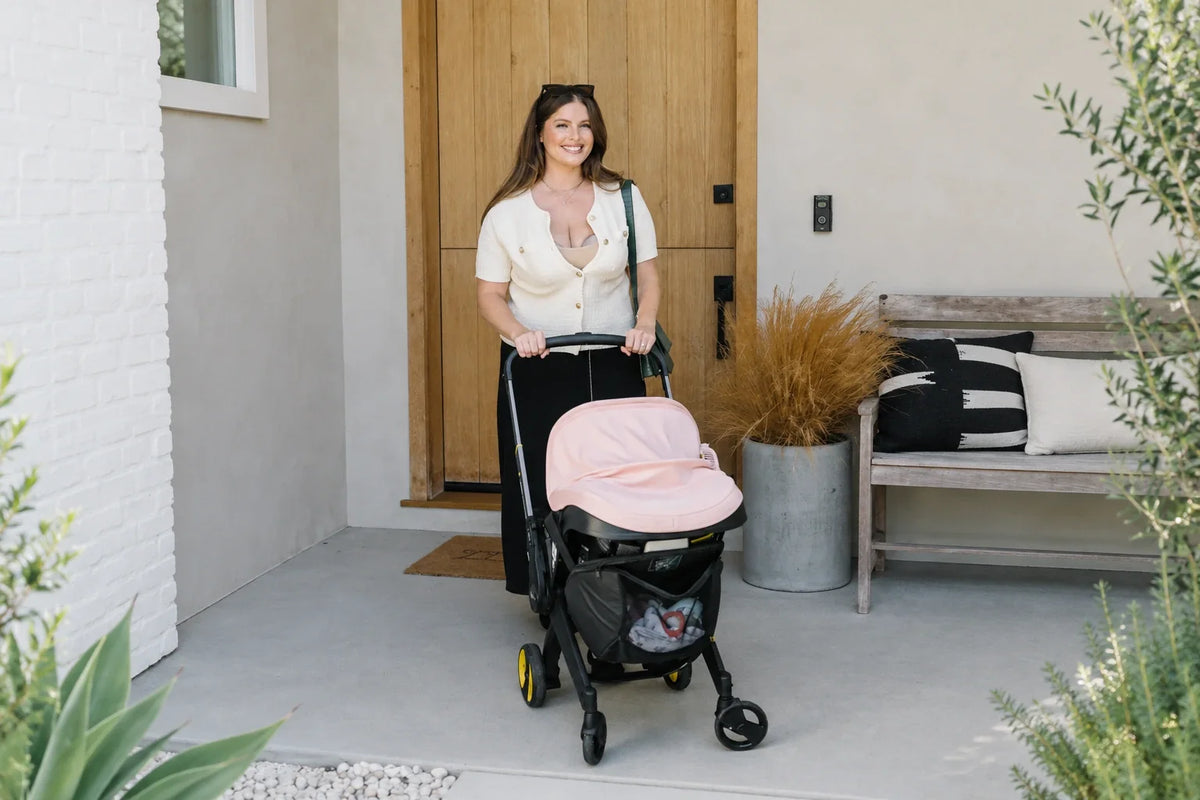
Not all mobile pumping happens at work or on a trip. Many mothers need to pump during everyday activities: while walking a stroller, running errands, attending a baby class, or simply getting through a busy morning. The BabyBuddha 2.0's lanyard carry and the BabyBuddha Wearable and hands-free collection cups make on-the-go sessions genuinely practical.
The wearable cup option allows you to pump while completely hands-free and with no visible hardware—ideal for situations where you want to be present and moving without the flange-and-bottle setup showing under your clothes.
Pumping While Nursing
Many mothers with an oversupply or a premature infant who needs supplemental expressed milk use a portable pump on one side while nursing on the other side. The BabyBuddha 2.0's lanyard means the motor doesn't need to be held or placed on a surface—it hangs freely while you nurse and pump simultaneously.
This simultaneous nurse-and-pump approach is also one of the most effective techniques for maximizing milk output per session, as let-down on the nursing side triggers simultaneous let-down on the pump side.
Overnight and Early Morning Sessions
For mothers who pump in the middle of the night or early morning, backlit displays and quiet operation matter more than any other feature. The BabyBuddha 2.0's low-noise motor and straightforward controls mean you can set up and start pumping without turning on lights or consulting an app—important for sessions that shouldn't wake a sleeping baby or partner.
Your Mobile Pumping Kit: What to Pack
Two sets of flanges, valves, and bottles—one in use, one as clean backup.
|
Need Help Setting Up Your Mobile Pumping Routine?BabyBuddha's lactation consultants can help you build a travel-ready pumping schedule and kit specific to your goals. Connect with a Lactation Consultant |
Frequently Asked Questions
What is the best mobile breast pump?
The best mobile breast pump combines hospital-grade suction (300+ mmHg), a lightweight motor (under 8 oz), 2+ hours of battery life, USB or USB-C charging, and a hands-free carry option.
The BabyBuddha 2.0 meets all of these criteria: 320 mmHg, 6.3 oz motor, 2+ hours battery, 60-min USB-C charge, and a neck lanyard for hands-free pumping anywhere. It's the choice of many exclusive pumpers, working mothers, and traveling moms who need reliable performance on the go.
Can I pump on an airplane?
Yes. Breast pumps are allowed on airplanes in carry-on and checked bags under TSA guidelines. Breast milk is exempt from the 3.4 oz liquid rule and may be carried in any quantity through security. Most airlines allow you to pump in your seat if you're discreet—using the BabyBuddha Wearable or hands-free collection cups makes this even more practical. Airport family or lactation rooms are also available at most major US airports if you prefer a private space.
How long can I go between pump sessions while traveling?
Most lactation professionals recommend pumping at least every 3–4 hours to maintain supply during travel days. Longer gaps can cause engorgement and may temporarily reduce supply. If your travel schedule makes regular sessions difficult, prioritize the first morning session (which sets the supply tone for the day) and the last session before bed.
A BabyBuddha lactation consultant can help you plan a travel-specific pumping schedule that protects your supply while accommodating your itinerary.
Do I need a special bag for a mobile breast pump?
You don't need a dedicated pump bag, but having an organized system makes a real difference. The BabyBuddha bundles include travel totes designed to keep the motor, flanges, tubing, and bottles organized in one place.
For milk transport, any well-insulated bag with ice packs works for trips under 24 hours. For longer trips, a dedicated hard-sided cooler with additional ice packs extends safe storage time.
Is the BabyBuddha 2.0 covered by insurance for travel and work use?
Yes. The BabyBuddha 2.0 is covered by most US health insurance plans under the ACA's breast pump coverage mandate regardless of how or where you plan to use it. Coverage doesn't differentiate between home and travel use—your pump is your pump. Visit the BabyBuddha Get Started page to navigate your insurance coverage and get your pump at little or no out-of-pocket cost.
What's the difference between the BabyBuddha 2.0 and the BabyBuddha Wearable?
The BabyBuddha 2.0 is a primary portable pump: an external motor connected via tubing to flanges and bottles. It delivers the highest suction performance (320 mmHg) and is the best choice when output per session is the priority.
The BabyBuddha Wearable Breast Pump and hands-free collection cups fit inside a pumping bra for fully hands-free, discreet pumping with no visible hardware. Many mothers use both: the 2.0 for high-output morning and evening sessions and the wearable cups for discreet sessions during work hours or travel.
Conclusion
Mobile pumping has evolved from a logistical challenge into a genuinely manageable part of modern nursing life—but only with the right equipment and the right preparation. A pump that delivers hospital-grade performance, fits in a pocket, charges in an hour, and can be worn hands-free changes what's possible across your entire pumping journey.
The BabyBuddha 2.0 was built for this reality: 320 mmHg of suction in a 6.3-ounce motor with a neck lanyard, USB-C charging, and a 2+ hour battery that keeps up with the most demanding work schedules and travel days. Pair it with the BabyBuddha Wearable and hands-free collection cups for in-bra discretion when you need it, and build your mobile kit with the right insulated bag, a portable power bank, and backup pump parts for a setup that's ready for anything.
Before you head back to work or hit the road, visit the BabyBuddha Get Started guide to set up your pumping schedule and insurance coverage, and connect with BabyBuddha's lactation consultant support team if you need personalized guidance for your specific routine. Your breastfeeding journey doesn't stop because your schedule starts—it just needs the right pump to keep it moving.