

"Hospital grade" and "professional" are the most loaded terms in breast pump marketing. Every brand claims professional-level performance. Few explain what the label actually means, or whether it matters for your specific situation. This guide cuts through the marketing to explain what professional breast pumps actually deliver, how they compare to standard personal models, and whether the difference justifies the cost. BabyBuddha bridges this gap with a personal pump that delivers professional-grade suction in a form factor that fits in your pocket.
Summary: Professional vs Standard Breast Pumps
Professional (hospital-grade) breast pumps historically offered stronger suction, more durable motors, and multi-user safety features. They were large, expensive rental units designed primarily for NICU mothers and supply establishment. Modern personal pumps have closed the performance gap significantly. BabyBuddha 2.0 delivers 320 mmHg suction in a 6.8 oz portable design, matching or exceeding the suction range of traditional hospital-grade models. For most mothers, a high-performance personal pump provides better value and convenience. True multi-user hospital rentals are primarily needed for premature babies, severe latch issues, or medically directed supply establishment in the first weeks.
Key Points
- No FDA definition for "hospital grade": The term is a marketing label, not a regulated classification. What the FDA regulates is whether a pump is single-user or multi-user.
- Suction ranges: Professional pumps typically deliver 250 to 350 mmHg. Standard personal pumps range from 150 to 250 mmHg. High-performance personal pumps like BabyBuddha 2.0 hit 320 mmHg.
- Motor durability differs: Hospital rental motors are rated for 1,500+ hours. Personal pumps are rated for 500 to 800 hours. For a typical 6 to 12 month pumping journey, personal pump motors are more than sufficient.
- Multi-user vs single-user: True hospital-grade pumps are designed for multiple mothers with individual accessory kits. Personal pumps are single-user only. This is the real FDA distinction.
- Cost comparison: Hospital rentals run $50 to $100 per month. Personal pumps like BabyBuddha are often free through insurance at $204.99 retail.
- Performance gap is closing: Modern personal pumps match professional suction specs while adding portability, battery power, and lower noise levels.
- Who needs a true rental: NICU mothers, severe latch issues, medically directed establishment in the first 2 to 4 weeks. Most other mothers are better served by a personal pump.
Professional Suction in a Portable Design
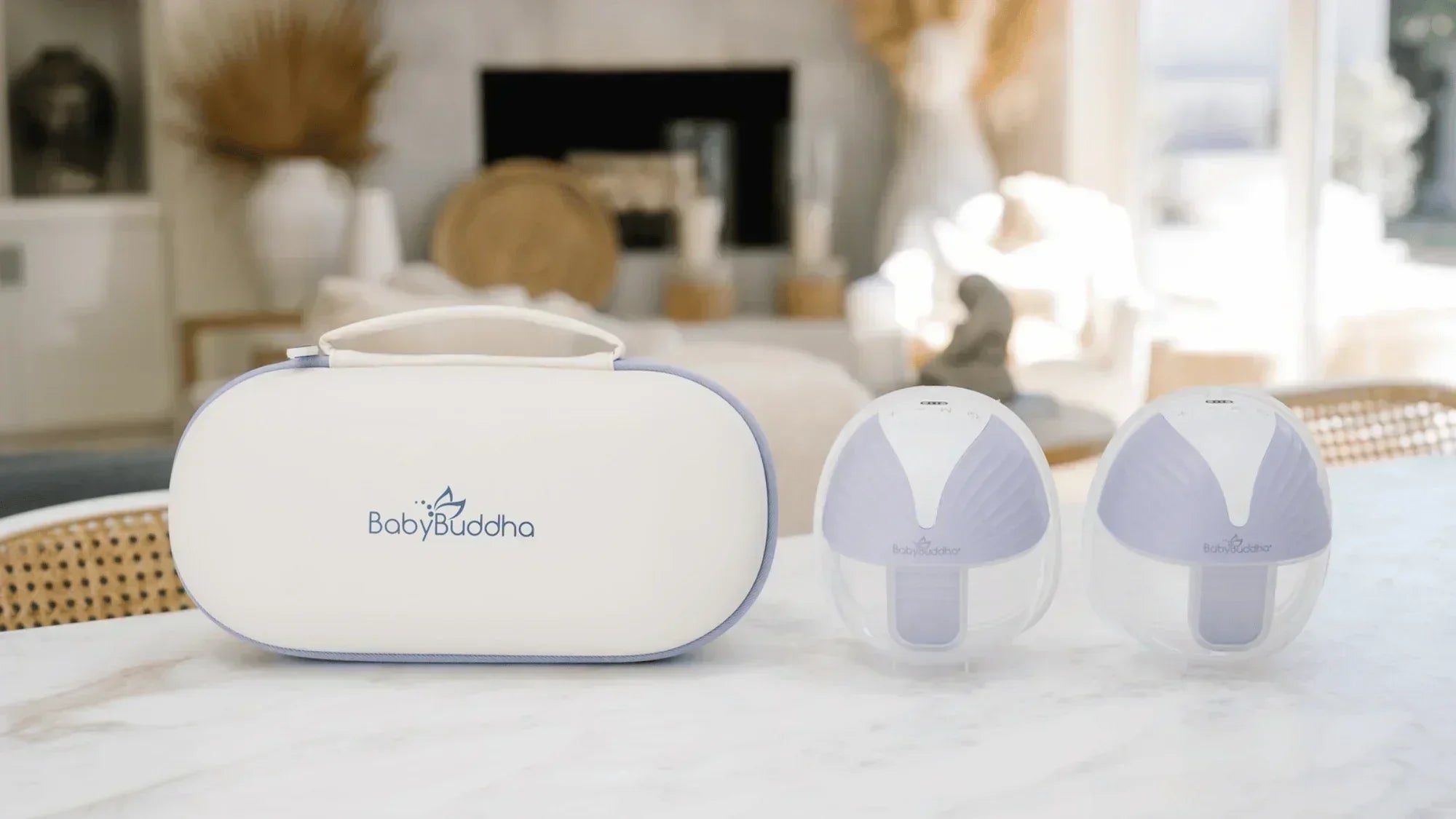
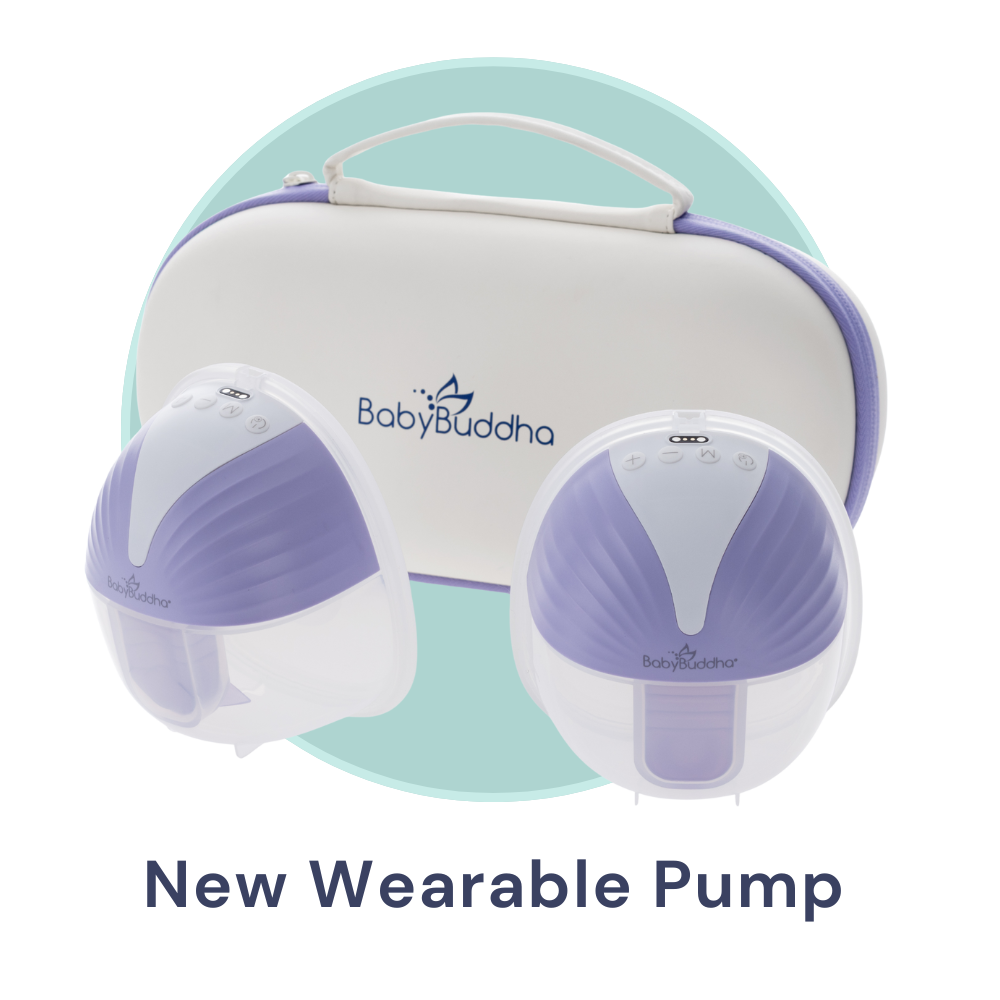
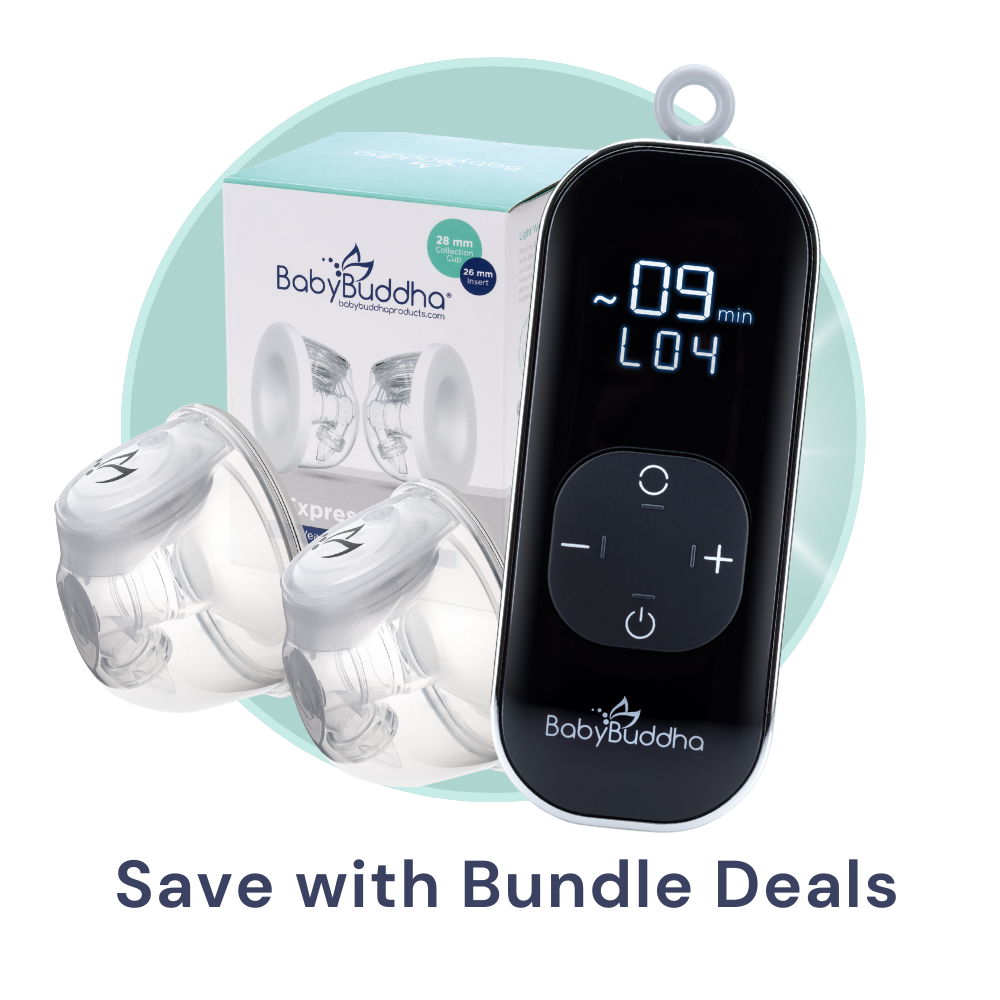
BabyBuddha 2.0 delivers 320 mmHg of suction at just 6.8 ounces. See the full pump lineup and find the model that fits your pumping life.
What "Professional Grade" Actually Means
The Traditional Definition
In the traditional sense, a professional or hospital-grade breast pump was a multi-user device designed for hospital use. These pumps feature motors rated for thousands of hours of continuous operation, maximum suction ceilings above 300 mmHg, and closed-system designs that prevent cross-contamination between users. The classic example is the Medela Symphony, a rental unit that weighs over 10 pounds and sits on a rolling cart in hospital lactation rooms. According to Hygeia Health, the distinction between hospital-grade and personal pumps historically centered on multi-user capability, motor longevity, and suction consistency over extended use.
The Modern Reality
"Hospital grade" has no standardized definition from the FDA. The agency classifies breast pumps as either single-user (personal) or multi-user (hospital), but it does not define "hospital grade" as a performance standard. As Aeroflow Breastpumps explains, many personal pumps now match or exceed the suction specifications that were once exclusive to hospital rental units. BabyBuddha 2.0 delivers 320 mmHg in a single-user, portable design, landing squarely in the professional suction range while weighing less than a smartphone.

Performance Comparison: Professional vs Standard
Suction Strength
Professional and hospital-grade pumps typically operate in the 250 to 350 mmHg range. Standard personal pumps sit between 150 and 250 mmHg. BabyBuddha 2.0 delivers 320 mmHg, placing it firmly in the professional range despite being a personal, single-user pump. Higher suction does not automatically equal more milk, because flange fit and pump cycle pattern also play critical roles. But stronger suction gives mothers who respond to it a measurable advantage in extraction speed and completeness.
Milk Output and Emptying Speed
Research suggests that professional-grade pumps can help mothers extract more milk in less time, particularly during the critical first weeks when supply is being established. Faster, more complete breast emptying signals the body to produce more milk, creating a positive feedback loop. According to data cited by Breastpumps Direct, hospital-grade pumps can support better initial supply establishment through consistent suction patterns and higher motor reliability. For mothers with established supply and a healthy latch, the gap between professional and personal pump output narrows significantly.
Motor Durability and Lifespan
Hospital rental pump motors are engineered for 1,500 or more hours of continuous operation because they serve dozens or hundreds of mothers over their lifetime. Standard personal pumps are rated for 500 to 800 hours. High-end personal pumps, including BabyBuddha, carry warranties covering up to 2 years of typical use. For the average pumping journey of 6 to 12 months, even a standard personal pump motor provides more than enough lifespan. Motor durability becomes a meaningful factor only for mothers who pump 8 or more times per day for extended periods.
Wondering Which Level of Pump You Need?
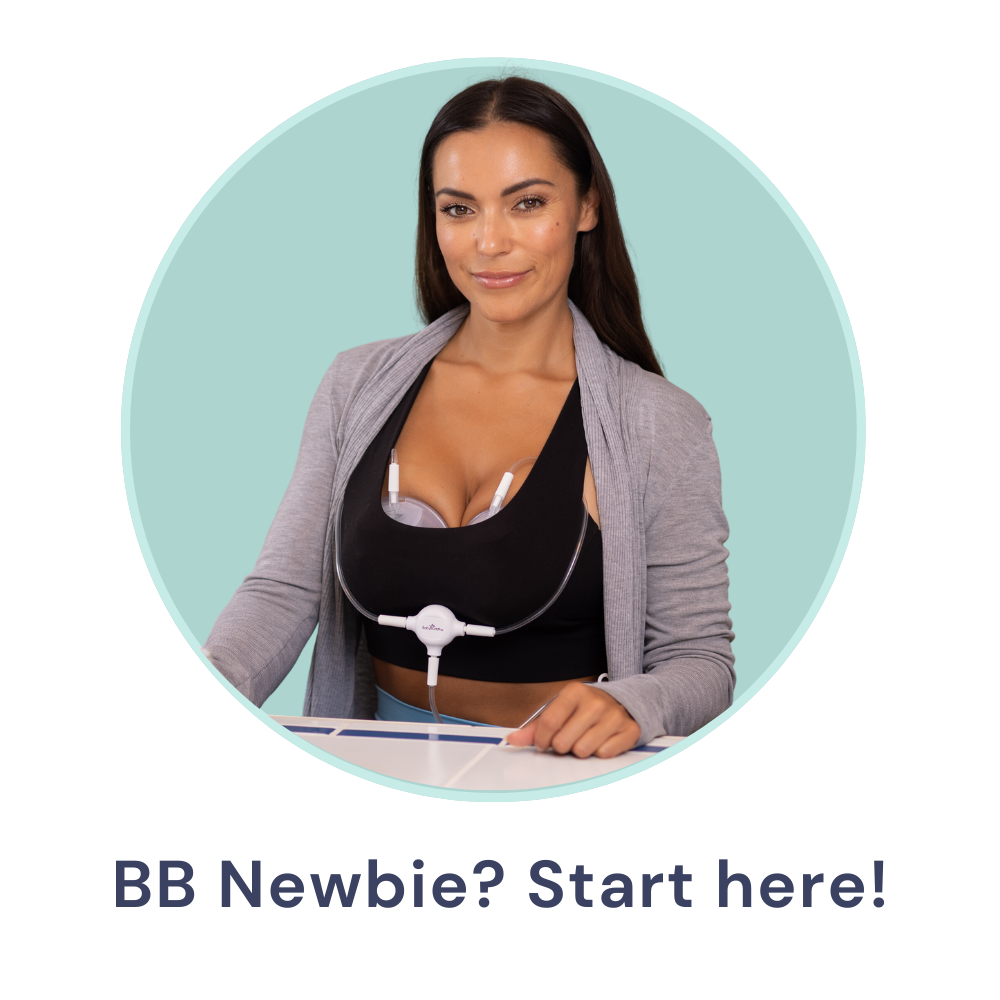
Most moms are surprised to learn that a personal pump can match hospital-grade suction. Explore BabyBuddha's getting started guide to see which setup matches your pumping goals.

Who Actually Needs a Professional-Grade Pump?
True hospital-grade rental pumps serve a specific population. Mothers of premature or NICU babies who cannot latch yet need the strongest, most reliable suction to establish supply while their baby is being cared for. Moms with significantly delayed milk production who need maximum stimulation to initiate the letdown response may benefit from the consistent power of a hospital-grade motor. Exclusively pumping mothers who pump 8 or more times per day for extended periods place demands on a motor that exceed what some personal pumps are designed for.
However, many of these mothers will find that a high-performance personal pump meets their needs. The line between "needs a hospital rental" and "needs a strong personal pump" has shifted dramatically as personal pump technology has improved. Discuss your specific situation with a lactation consultant or your provider before committing to a rental.
Who Is Better Served by a Personal Pump?
The vast majority of pumping mothers fall into categories where a personal pump is not just adequate but preferable. Moms returning to work who pump 2 to 3 times during the workday benefit from portability and discretion that no hospital rental can match. Moms who nurse primarily but pump to build a stash or for occasional bottles do not need multi-user durability. Any mom who values portability, including commuting, traveling, or pumping while caring for older children, will find a 10-pound rental unit impractical. If your baby latches well and is gaining weight normally, a high-performance personal pump delivers everything you need. BabyBuddha's primary vs wearable comparison can help you decide which personal pump style fits your specific routine.

The Cost Reality: Rental vs Purchase
Hospital Pump Rental
Hospital-grade pump rentals typically cost $50 to $100 per month, plus $40 to $60 for a personal accessory kit, including flanges, tubing, and bottles. Over a 6-month rental period, total costs range from $340 to $660. At the end of the rental, you return the pump and own nothing. Some insurance plans cover rental costs, but coverage varies and often requires prior authorization and a prescription specifying medical necessity for a multi-user device.
Personal Pump Purchase
BabyBuddha 2.0 retails at $204.99 and is covered by most insurance plans at no out-of-pocket cost under the ACA. You own the pump, can use it for subsequent pregnancies, and have no monthly fees. Insurance coverage for personal pumps is straightforward through DME suppliers like Aeroflow, Byram, and 1 Natural Way, or through direct processing on the BabyBuddha insurance page. For most families, the math is simple: a covered personal pump costs $0, performs at professional suction levels, and belongs to you permanently.
Check What Your Insurance Covers
Most plans cover a personal breast pump at no cost under the ACA. Some also cover upgrades to portable and wearable models. Check your BabyBuddha insurance coverage to see your options before you commit to a rental.
6 Things Every Pumping Mom Should Know About Professional vs Personal Pumps
Save this for your next pump shopping session.
- "Hospital grade" is not an FDA term. It is a marketing label. What matters is suction strength, motor durability, and single-user vs multi-user classification.
- Modern personal pumps match professional suction. BabyBuddha 2.0 delivers 320 mmHg, which falls in the 250 to 350 mmHg range of traditional hospital-grade models.
- Rentals cost $340 to $660 over 6 months. A personal pump through insurance costs $0 for most families, and you keep it.
- Motor durability only matters for extreme use. Personal pump motors handle 500 to 800 hours. A typical 12-month pumping journey uses a fraction of that.
- Most moms do not need a hospital rental. Unless you are pumping for a NICU baby or have a medically directed need, a high-performance personal pump delivers everything you need.
- Portability matters. Professional pumps are typically wall-powered and stationary; BabyBuddha offers true portability without sacrificing performance.
Share this with a friend deciding between rental and purchase.
Conclusion
The professional vs personal breast pump distinction has narrowed dramatically. A decade ago, you needed a hospital rental to access strong suction and reliable extraction. Today, personal pumps deliver equivalent suction in portable, battery-powered designs that cost a fraction of the price, often nothing through insurance. For the vast majority of mothers, a high-performance personal pump like BabyBuddha 2.0 delivers professional-grade results with far greater convenience and value. BabyBuddha brings 320 mmHg of suction into a 6.8 oz package, backed by IBCLC support, a comprehensive flange sizing system, and insurance coverage that makes it accessible to every pumping parent.
Ready to Get Professional-Grade Pumping Without the Rental?
BabyBuddha 2.0 matches hospital-grade suction at a fraction of the size and cost. Get started with BabyBuddha and set up the pump that grows with your journey.