




You can hit every session on the schedule and still watch your output slide. The count is the part everyone talks about, and it's the easier half of the problem.
The other half happens inside the session: how completely you drain, which mode you're running and when you switch it, how the flange fits, and whether the routine survives a week that goes sideways. This guide covers that half, including what to do when one side falls behind the other.
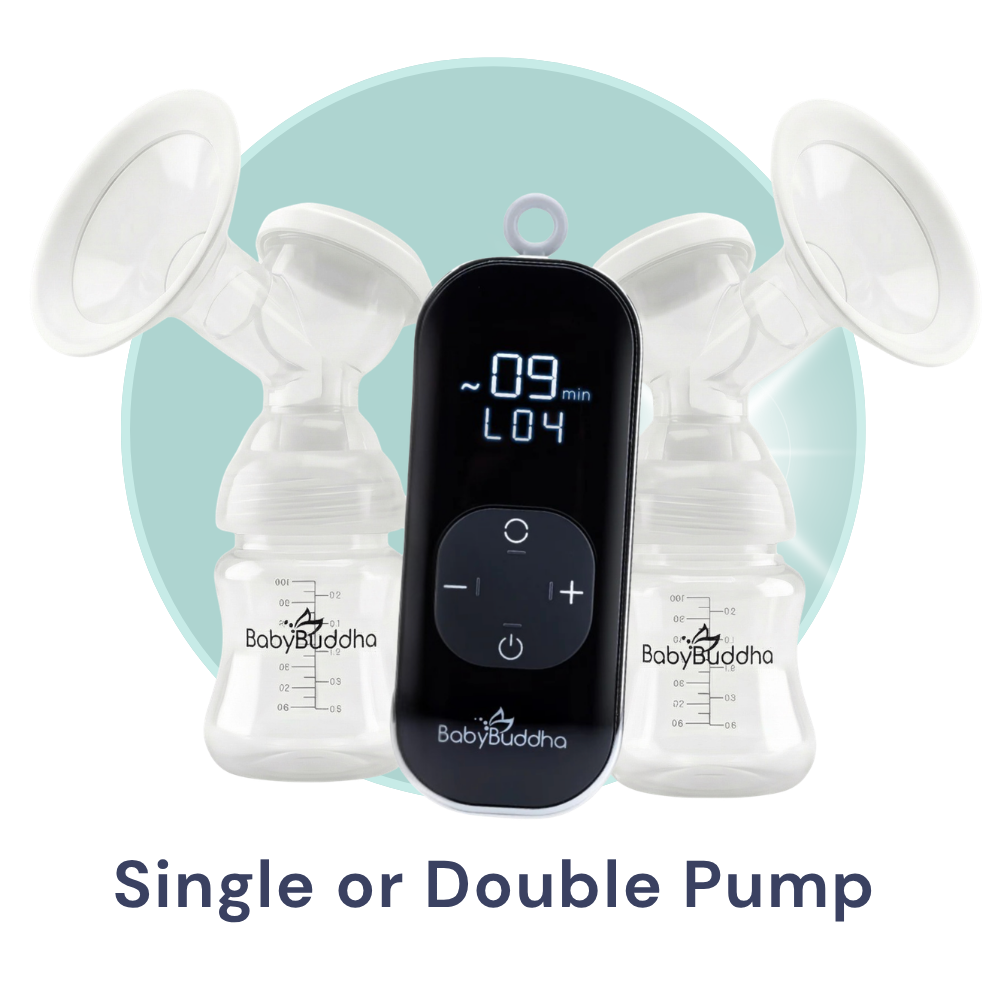
For how many sessions a day your situation calls for, the posts below answer that better than a second take would. Everything here assumes you've already landed on a number and want each of those sessions to count. The BabyBuddha 3.0 Primary Portable Breast Pump gives you four modes across 30 settings, which is the range this guide puts to use.
Also Read
- How Many Times a Day Should I Be Pumping? An Honest Guide by Situation
- How Long Should a Pumping Session Last? A Stage-by-Stage Guide
- What Is Power Pumping? Schedule, Steps and When It Works
What You Need to Know
Supply responds to two signals: how often milk leaves and how much of it leaves each time. A routine that nails the first and misses the second stalls. A complete session means staying on past the last visible drop, moving through stimulation and expression rather than parking on one setting, and running a flange that fits. If one side consistently produces less, start the same way: check fit on that side first, then add time there rather than adding sessions overall.
Key Points
- Drainage drives the signal. Frequent sessions that leave milk behind send a weaker message than fewer sessions that finish the job.
- Your modes have jobs. Stimulation starts letdown, expression moves volume, and switching between them mid-session does more than cranking suction.
- Two to five minutes past the last drop. The tail of a session is where the richer milk comes and where the demand signal lands.
- Anchor sessions to events, not clock times. A routine tied to the commute and the first meeting survives a week that a 9:40 alarm won't.
- Protect the overnight and early-morning session. Prolactin runs highest then, which makes that session the one to defend when something has to give.
- Check fit before you change the schedule. A wrong flange size caps output no matter how good the routine is, and it's the usual reason one side lags.
Why Session Count Alone Doesn't Move Supply
Milk removal signals production. Milk left in the breast signals the opposite, whether you pumped eight times or four. That's the whole mechanism, and it explains why two moms on identical schedules can end up in different places by week six.
Set the floor first. The American Academy of Pediatrics describes exclusively breastfed infants under six months feeding roughly 8 to 12 times in 24 hours, which is the removal frequency a pumping routine stands in for. The Academy of Breastfeeding Medicine notes that after the early weeks, demand governs supply rather than hormones alone. Those two facts set the baseline, and the rest of this guide covers what happens inside each removal. Our explainer on how breastfeeding works covers the physiology in more depth.
The pattern this guide addresses runs like this: a mom holds her session count steady, output drifts down over two or three weeks, and the instinct is to add a session. More often, the problem is drainage, fit, or consistency, and adding a session to a routine that isn't draining well adds fatigue without adding milk.
Inside a Complete Session
Start with letdown, not volume. The first job is triggering the ejection reflex, and warmth, a few minutes of hands-on massage, and a stimulation pattern do more here than raising suction does. Turning the dial up before milk is flowing mostly buys you discomfort.
Move to expression once milk flows steadily. That transition is easier to feel than to time, which is why a clock face can be misleading: it shifts between moms and between hours of the same day. Watch the flow rather than the minutes.
Go back to stimulation for a second letdown. Many moms get a second and a third ejection in a single session, and cycling back to a stimulation pattern is how you reach them. A session that stops after the first letdown leaves behind the later, higher-fat milk.
Finish two to five minutes past the last drop. The end of a session carries the richer milk and the clearest demand signal, and it's the part most often cut when a meeting runs over. Hands-on compression through the expression phase raises what a session removes without changing any setting.
A shortened session costs more than the minutes it saves, and the pattern matters more than any single day: a routine of eight clipped sessions can remove less milk than five complete ones. If your week only has room for five that finish, that's the better routine.
Using Your Four Modes Across One Session
The 3.0's four modes aren't a menu to pick from once; they're a sequence to move through. Here's what each one does and where it belongs.
Soft Stimulation opens the session across six settings. It's the gentler starting point, useful when you're sore or when a fast pattern stalls letdown rather than triggering it.
Classic Expression runs nine settings. It's the slower, deeper pattern that moves volume once milk flows steadily, and it does the bulk of the work in most sessions.
Double Drop Expression adds nine more settings. It cycles faster at the same suction strength as Classic Expression, with a rhythm between Soft Stimulation and Classic Expression, giving you a second way to work a session that has slowed down without reaching for more suction.
Classic Stimulation runs six settings and carries BabyBuddha's signature long pull, the pattern the brand built its first pump around. Many moms find it triggers letdown fastest, and it's the one to come back to for a second ejection.
The point of 30 settings is range, not a number to find and never touch. Match the session to the hour rather than to last week. Our guide to pump settings and suction levels walks through how the levels relate to each other. One honest note on suction: hospital-strength suction up to 320 mmHg is headroom, not a target, and the comfortable setting you can hold for a full session beats the high one you cut short.
Building a Routine That Survives a Hard Week

Anchor sessions to events instead of clock times. Before the commute, after the first meeting, during the afternoon block. Event anchors hold when a clock-based plan falls apart, because events happen whether the morning ran late or not.
Build around the day in front of you, including the meetings you can't move and the commute you can't shorten. A plan that assumes an ideal week falls apart in week one, and an abandoned plan costs more than a modest one you keep.
Keep the gap between sessions from stretching, and know why it matters: a long stretch of fullness is itself the signal that slows production. The gap does more damage than the missed minutes.
Write the routine down for the first two weeks. Tracking turns a vague sense that output dropped into a pattern you can act on, and it's the difference between guessing and knowing which session is slipping.
Name the sessions hardest to protect and give each one a workaround in advance. The early meeting, the school run, the evening that runs long. Decide now what happens to each, because deciding in the moment usually means skipping.
The Overnight and Early-Morning Session
This one carries extra weight. Prolactin runs highest overnight and in the early hours, making that session the highest-yield one of the day and the worst one to drop by default.
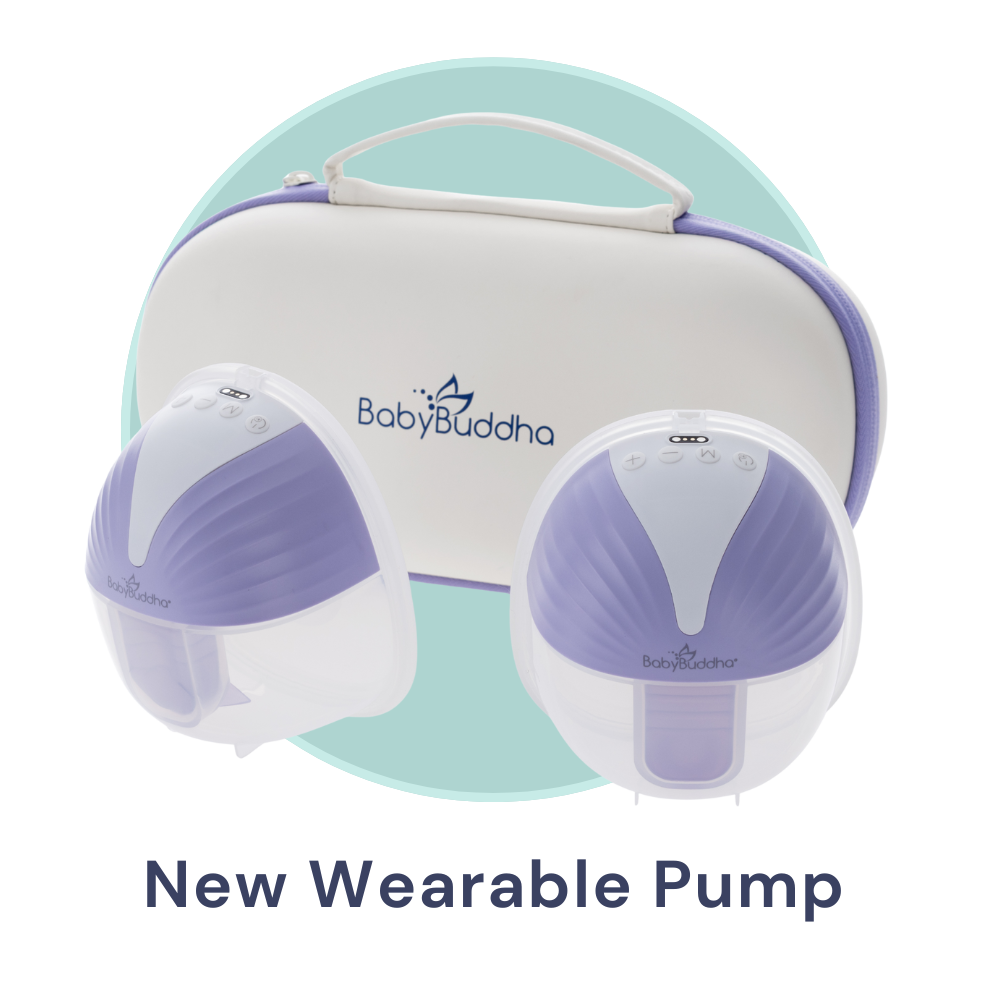
Make it survivable rather than heroic. Everything laid out the night before, cups or bottles ready, nothing that needs assembling at 3 a.m. The BabyBuddha Wearable Breast Pump's in-cup LED lights keep the lamp off, which matters when the goal is getting back to sleep.
Sometimes a session has to end, and that's a legitimate choice rather than a failure. If it does, shift the first morning session earlier rather than dropping the window entirely, so the longest gap doesn't land where your body is most primed to produce.
When Power Pumping Earns a Slot
Power pumping works as a temporary addition to a routine that's already complete and consistent. It doesn't work as a patch over a routine that isn't, which is the most common way moms end up exhausted without results.
The schedule, the steps, and the cases it suits live in our power pumping guide. Expect it to take days rather than one session, and results vary enough that a flat week isn't a verdict.
Power pumping is the wrong tool in one case. A supply that's meeting your baby's needs doesn't need pushing, and oversupply brings its own problems, from clogs to a baby who can't keep up with fast flow. More isn't the goal. Enough is.
Fit: The Lever Most Routines Miss

Check this before changing anything else. A flange that's too large or too small caps what a session can remove, so a routine fix layered on a fit problem shows nothing and costs you two weeks finding that out.
Fit is also the first place to look if you're wondering how to even out breast milk supply between sides. Breasts aren't identical, and the same size on both can fit one well and the other poorly. If one side consistently produces less, measure both before you add sessions.
The 3.0 ships the EasyFit Flange Kit: two 24mm flanges, ten inserts sized 13 to 21mm, and a nipple-sizing ruler, for a total fit range of 13 to 24mm, so sizing happens on day one. Sizing also changes postpartum, and measurements taken in the first weeks often stop fitting later, which is why re-measuring belongs in any routine review.
Research in the Journal of Human Lactation shows that flange-sizing methods affect both comfort and milk output. Measure with the flange fitting guide, browse flanges and inserts, and read how flange inserts work if you're between sizes.
Adjusting When Output Drops

Work the checklist in order: fit, session completeness, gap length, hydration and illness, then frequency. Changing the schedule first is the common move and the least likely to help, because it treats the one variable that was probably fine.
Separate a dip from a trend. A single low session says little. Three low days make a pattern, and that's the point to act rather than the point to worry.
Check the parts. Worn duckbill valves and stretched diaphragms quietly cost suction, and the drop is gradual enough that most moms blame themselves before they blame a two-dollar part. Include them in any routine review.
For a cause-by-cause walkthrough, see 9 reasons for a sudden decrease in milk supply.
When the Routine Isn't the Problem
Some situations call for a professional rather than a schedule change: pain that doesn't resolve, a baby who isn't gaining, signs of mastitis, or a supply that won't respond to a routine that's complete and consistent.
An IBCLC or pediatrician handles those questions, and BabyBuddha's lactation consultant support page is the route to one. A pump is a tool for removing milk well, not a treatment.
Most routines don't need that call. Most need a fit check and a consistency fix, and saying so matters as much as naming the exceptions.
Conclusion
Come back to the two signals: how often milk leaves and how much leaves each time. A routine built on event anchors, complete sessions, the right mode at the right moment, and a flange that fits will hold a supply through a week that doesn't cooperate.
If one side keeps falling behind, start with fit on that side rather than adding sessions across the board. And if you're building a routine from scratch, the BabyBuddha 3.0 Primary Portable Breast Pump gives you the four modes and 30 settings to shape a session around what your body is doing that hour, rather than what it did last week.