


Many pumping sessions take about 15 to 20 minutes with a double electric pump. That range is a starting point. Your session may be shorter or longer based on milk flow, comfort, pump fit and why you're pumping.
Instead of stopping at an exact minute, watch how your milk is flowing and how your breasts feel. A useful session usually ends after milk flow has slowed and your breasts feel softer. Pain, nipple rubbing or swelling are signs to stop and check your flange fit or settings.
Also Read
- How Much Milk Should I Be Pumping? Week-by-Week Guide for New Parents
- Breast Pumping Schedule for Exclusive Pumping
- BabyBuddha Pump Settings: Modes and Suction Level Guide
Quick Answer
Plan for about 15 to 20 minutes when double pumping. Some people need closer to 10 minutes, while others need 20 to 30. Pumping frequency often matters more than adding extra minutes to one session. If you're away from your baby or exclusively pumping, the CDC recommends pumping as often as your baby drinks breast milk.
Signs That a Pumping Session Is Finished
- Milk flow has slowed to occasional drops.
- Your breasts feel softer than they did before pumping.
- You aren't feeling another let-down after briefly returning to stimulation mode.
- Your usual amount of time has passed and continued pumping isn't producing more milk.
You don't need to force a breast to become completely empty. Breasts keep making milk during and after a session. “Well drained” is a practical description of slower flow and softer breast tissue.
Why Let-Down Matters More Than an Exact Time
A let-down is the milk-ejection reflex that moves milk toward the nipple. Some parents feel tingling or pressure when it happens. Others only notice that milk starts spraying or flowing faster.
You may have more than one let-down during a session. Their timing and number vary. If milk flow slows early, switching back to stimulation mode for a short period may help trigger another let-down. Return to expression mode when milk begins flowing again.
Foremilk and hindmilk aren't two separate kinds of milk with a sharp dividing point. Milk fat usually rises as milk is removed. You don't need to chase a specific let-down to reach “hindmilk.” Focus on comfortable milk removal and your baby's feeding needs.

Pumping Time by Situation
Establishing Milk Production
In the first weeks, frequent milk removal is often more useful than very long sessions. Newborns commonly feed 8 to 12 times in 24 hours. If you're exclusively pumping or separated from your baby, try to match that feeding pattern unless your care team gives you a different plan.
A double-pumping session often lasts 15 to 20 minutes. Early colostrum may come in drops, so hand expression can help collect small amounts. Parents of premature or medically fragile babies should follow the hospital's pumping plan.
Maintaining an Established Supply
Once milk production is established, session length often becomes more predictable. Many parents finish in 15 to 20 minutes. Your time can still change with the time since the last feed, your pump setup and your body's response that day.
If a pumping session replaces a feeding, try to pump around the time your baby would normally eat. If you're pumping between feeds, you may collect less milk or finish sooner. Pump output alone doesn't show how much milk you make in a full day.
Pumping at Work
The Office on Women's Health says milk expression often takes 15 to 20 minutes. Setup, cleanup and travel to the pumping space require extra time. Many parents pump every two to three hours during the workday, based on their baby's feeding pattern.
Practice with your pump before returning to work. This gives you time to check flange fit, learn the controls and find a routine that fits your breaks.
Power Pumping
Power pumping uses several short pumping periods with breaks between them. A common pattern is 20 minutes pumping, 10 minutes resting, 10 minutes pumping, 10 minutes resting and a final 10 minutes pumping.
This takes about one hour and is different from a normal session. If you're worried about low milk production, ask a lactation professional to review feeding, pumping frequency, flange fit and possible medical causes before relying on power pumping.
Relieving Engorgement
When pumping only for engorgement relief, use comfort as the stopping point. Express a small amount until the breast softens and pressure eases. Removing more milk can signal the body to keep making more.
Contact a healthcare professional if you have a fever, flu-like symptoms, worsening breast pain or a hot swollen area. These can be signs of mastitis or another problem that needs care.
What Can Make a Session Longer
Session length can change from day to day. Common causes include a long gap since the last feeding, slow let-down, an uncomfortable setting, poor flange fit and a pump that doesn't match your expected use.
Use the highest suction level that feels comfortable. Stronger suction isn't always faster. Pain can interfere with milk flow and may injure the nipple or breast tissue.
Check the flange during pumping. The nipple should move through the tunnel without scraping the sides. Too much areola shouldn't be pulled deeply into the tunnel. The BabyBuddha flange fitting guide explains how to measure and check your fit.

Using Pump Modes During a Session
Many electric pumps have a faster stimulation mode and a slower expression mode. Start with stimulation mode to encourage let-down. Switch to expression mode after milk begins flowing. If flow slows and the session still feels incomplete, a brief return to stimulation mode may help.
Keep every setting comfortable. A pump's maximum suction is a specification, not a target. Begin low and increase only while the setting remains comfortable.
The BabyBuddha 3.0 has four modes and 30 total settings. Its EasyFit Kit includes two 24mm flanges and ten inserts, with two each in 13mm, 15mm, 17mm, 19mm and 21mm. Those size choices can help you find a closer fit without buying a separate insert first.
When to Ask for Pumping Help
Talk with a lactation professional or healthcare provider when pumping stays painful, your nipples are damaged or sessions keep getting longer without more milk. Get help if your baby has too few wet diapers, isn't gaining weight as expected or seems unsatisfied after feeds.
A trained professional can review the full picture. That includes your baby's feeding, your pumping schedule, flange fit, settings and health history. BabyBuddha customers also have access to the company's trained lactation consultants.
Six Pumping-Time Reminders
- Use 15 to 20 minutes as a starting range for double pumping.
- Match pumping frequency to your baby's feeding pattern when you're apart.
- Watch milk flow and breast softness instead of chasing an exact minute.
- Use comfortable suction and stop if pumping hurts.
- Check flange fit when sessions run long or output changes.
- Express only enough for comfort when relieving engorgement.
Finding Your Usual Pumping Time
Most parents find a repeatable range after several sessions. Track the time, milk flow and comfort for a few days. Patterns are more useful than judging one low-output or slow session.
Your usual pumping time can change as your baby grows or your schedule changes. Recheck your fit and routine when sessions suddenly become painful or much longer.
Review the BabyBuddha 3.0
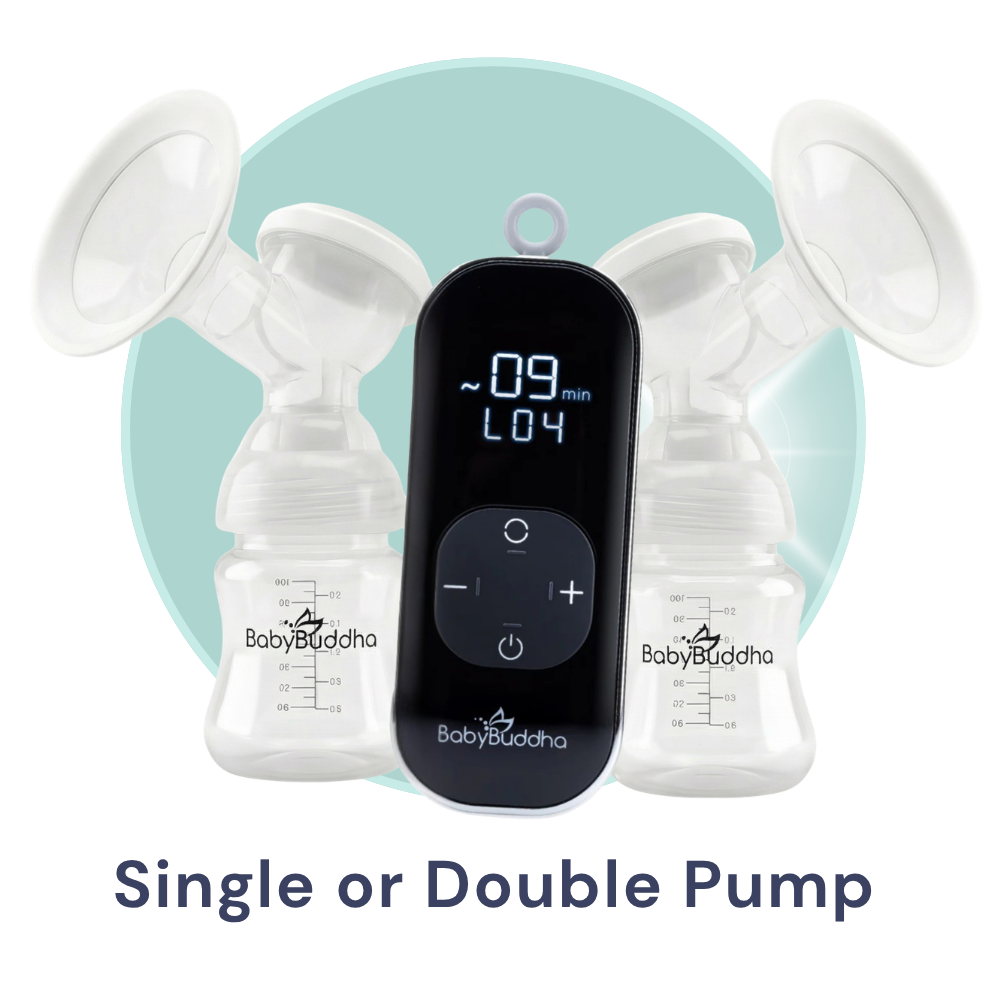
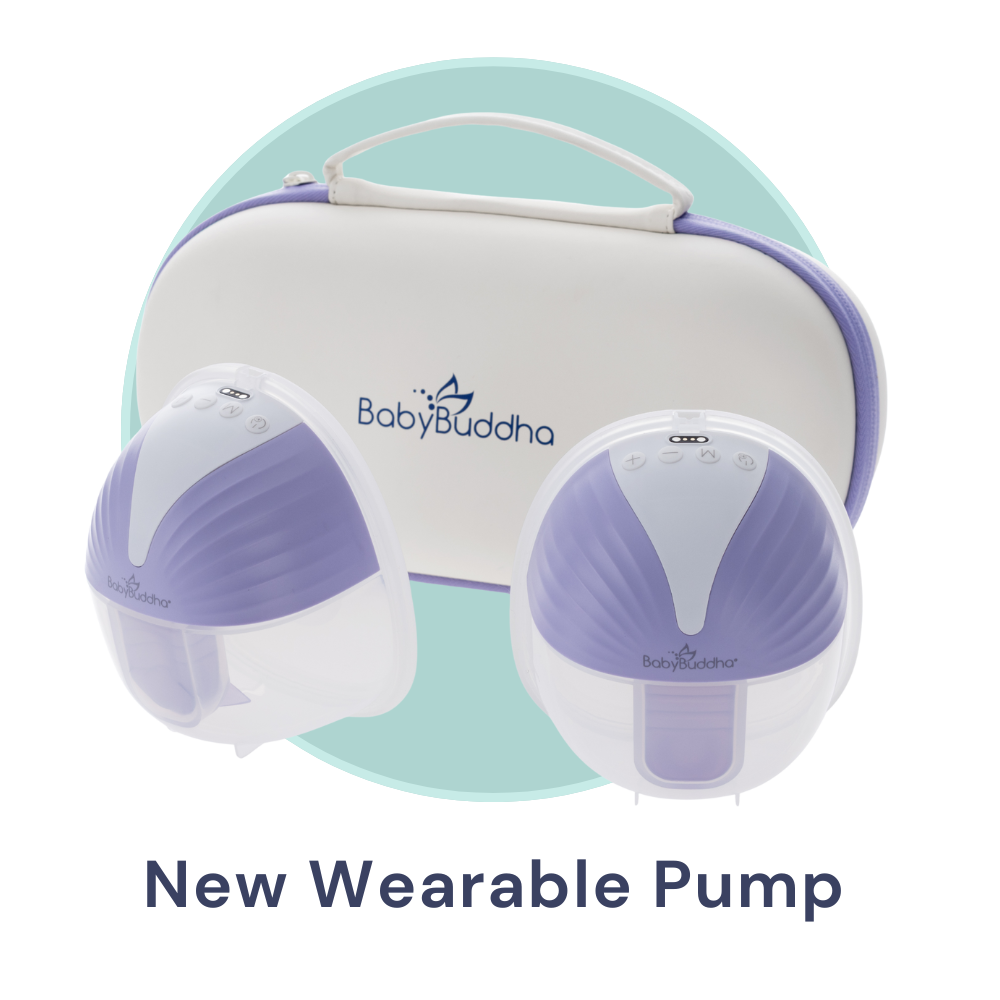
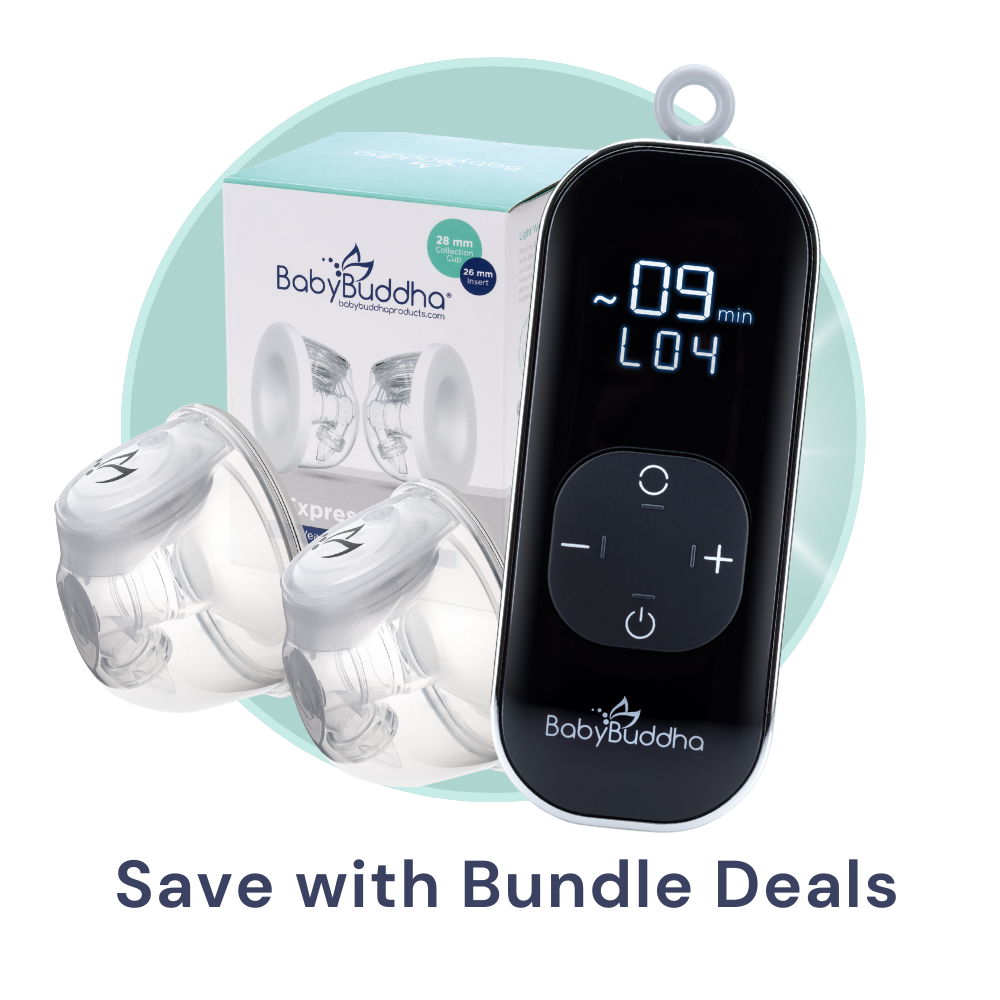
The BabyBuddha 3.0 is a primary portable pump with an external motor, four modes and 30 settings. Review the BabyBuddha 3.0's modes and included EasyFit sizes, or compare current BabyBuddha pumps before choosing a pump for regular sessions.