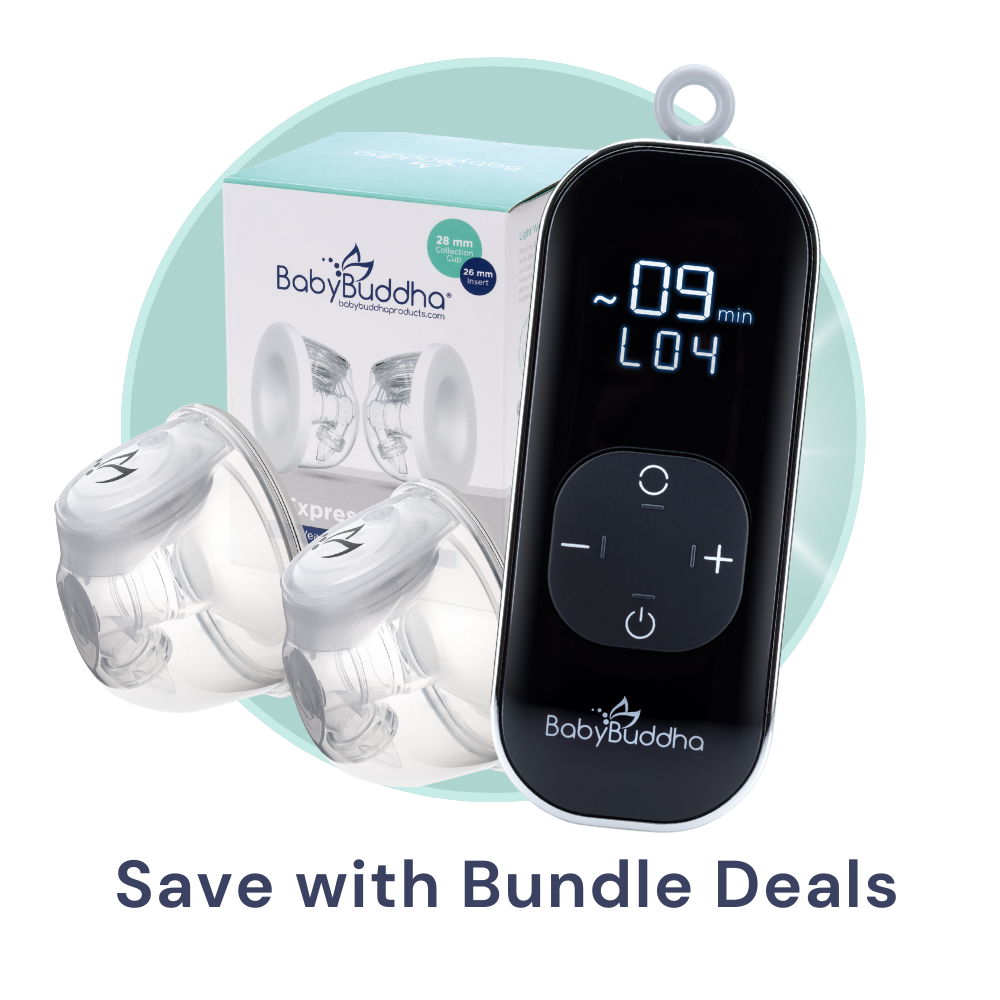


Comparing the BabyBuddha vs Spectra S1 Plus is one of the most common searches new parents make before ordering a breast pump. Both pumps are highly rated, widely recommended by lactation consultants, and available through insurance. But they serve very different pumping lifestyles, and choosing between them comes down to how, where, and how often you plan to pump. BabyBuddha designed the 2.0 as a portable primary pump that travels with you, while Spectra built the S1 Plus as a rechargeable hospital-grade pump for dedicated pumping sessions at home or work.
This guide compares the two pumps across every category that matters: suction power, portability, noise, comfort, flange options, price, and insurance coverage. By the end, you will know exactly which pump fits your daily routine.
TL;DR: BabyBuddha vs Spectra S1 Plus
BabyBuddha 2.0 wins on portability, suction strength, and size, offering 320 mmHg of suction in a 6.8 oz package that fits in a pocket. Spectra S1 Plus wins on a long track record with lactation professionals and a rechargeable battery that lasts up to 3 hours per charge. Both pumps use closed systems and both are covered by most insurance plans. Neither pump is objectively better; the right choice depends on whether you need true pocket-sized portability or prefer a larger, proven pump for longer sessions.
Key Points
- Suction strength: BabyBuddha delivers 53 to 320 mmHg compared to Spectra's range up to 270 mmHg, giving it the edge for moms who respond well to stronger extraction.
- Portability: BabyBuddha weighs 6.8 oz with a rechargeable USB-C battery. Spectra S1 Plus weighs 2.9 lbs with a built-in rechargeable battery.
- Noise levels: BabyBuddha operates at 42 dB (whisper quiet). Spectra runs at 45 dB (still quiet by pump standards).
- Mode options: BabyBuddha offers 3 modes with 21 suction levels. Spectra offers massage mode and expression mode with 12 levels.
- Flange fit: BabyBuddha ships with an EasyFit Kit (22 to 24mm) with additional sizes from 13mm to 32mm available. Spectra ships with 24mm and 28mm flanges.
- Price: BabyBuddha 2.0 retails at $204.99. Spectra S1 Plus retails at $225.99. Both are covered by most insurance plans.
- Battery: BabyBuddha charges via USB-C and lasts up to 4 sessions per charge. Spectra S1 Plus has a built-in rechargeable battery lasting up to 3 hours.
- Closed system: Both pumps use a closed system design, preventing milk from entering the tubing or motor.
Find the Right Pump for Your Routine. Not sure which style fits your life? Compare BabyBuddha pump models to see which combination of portability, suction, and hands-free options works for you.

Suction Power and Milk Output
Suction strength is the first spec most parents compare, and the numbers here are clear. BabyBuddha 2.0 delivers a comfortable range of 53 mmHg up to 320 mmHg of maximum suction, while Spectra S1 Plus offers a range from approximately 50 mmHg up to 270 mmHg. That 50 mmHg gap at the top end is meaningful for moms who respond better to stronger suction or who need to empty their breasts quickly during short pump breaks.
That said, higher suction does not automatically mean more milk. Flange fit, cycle pattern, and individual anatomy all influence output. A pump set too high with a poorly fitted flange will produce less milk and more discomfort than a lower-suction pump with the right fit.
BabyBuddha 2.0: 320 mmHg with 21 Comfort Settings
BabyBuddha 2.0 offers three distinct modes: Soft Stimulation, Classic Stimulation, and Expression. The Soft Stimulation mode is new to the 2.0 and is designed to mimic a natural letdown more gently, which many moms find helps trigger milk flow faster. Across all three modes, there are 21 total suction levels (6 Soft Stimulation, 6 Classic Stimulation, and 9 Expression), giving you precise control over intensity throughout your session.
Spectra S1 Plus: 270 mmHg with Proven Cycle Patterns
Spectra S1 Plus uses a two-phase expression system with a massage mode that simulates natural suckling rhythm to trigger letdown, followed by a longer expression mode for extraction. With 12 suction levels across both modes, the range is narrower than BabyBuddha's but has been validated by IBCLCs over years of clinical use. According to Consumer Reports' 2026 breast pump evaluation, the Spectra S1 Plus remains one of the top-rated pumps for consistent performance.
Portability and Lifestyle Fit
This is where the two pumps diverge most dramatically. Both have rechargeable batteries, but the size and weight difference fundamentally changes how and where you pump.
BabyBuddha: True Pocket-Sized Portability
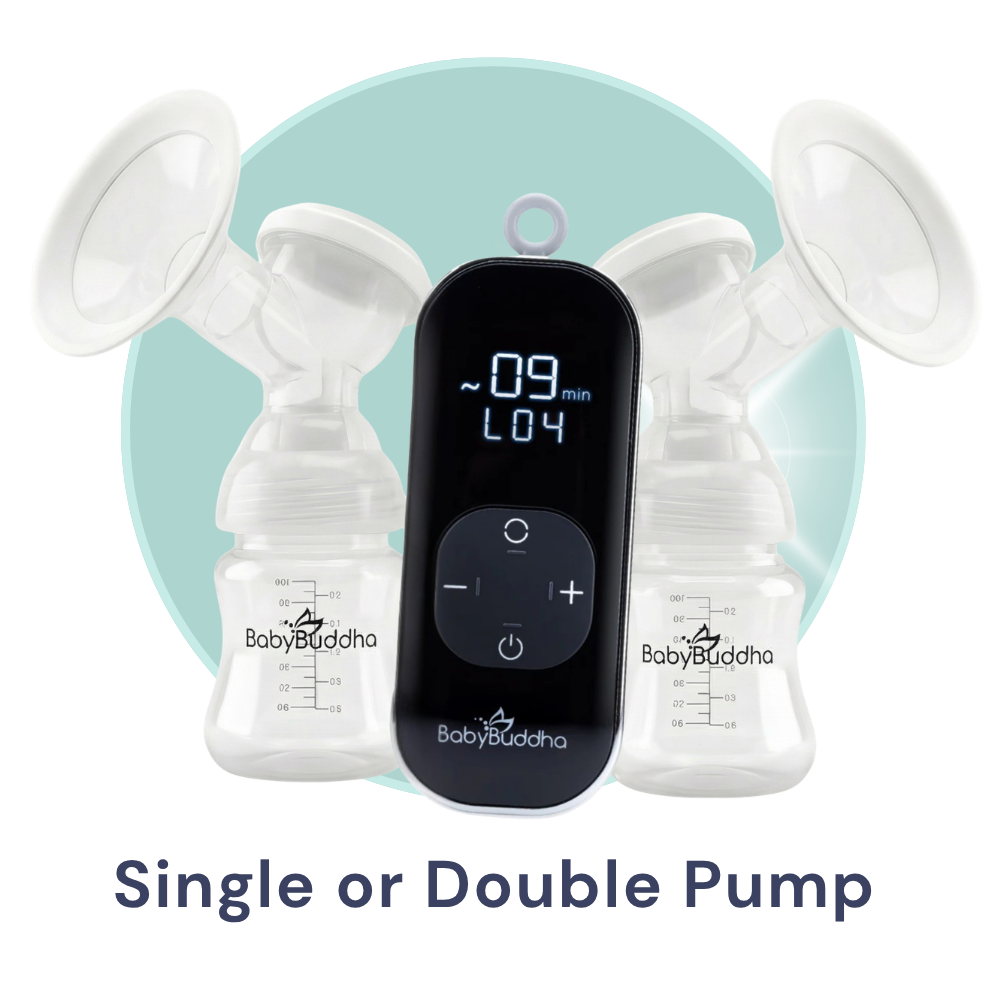
At 6.8 ounces, BabyBuddha 2.0 is smaller and lighter than most smartphones. It fits in a pocket, clips to clothing, or drops into a bag without adding noticeable weight. The rechargeable battery lasts up to four sessions on a single USB-C charge, and a full charge takes about 4 hours. That means you can pump at work, in the car, at a park, or anywhere you need to without searching for an outlet.
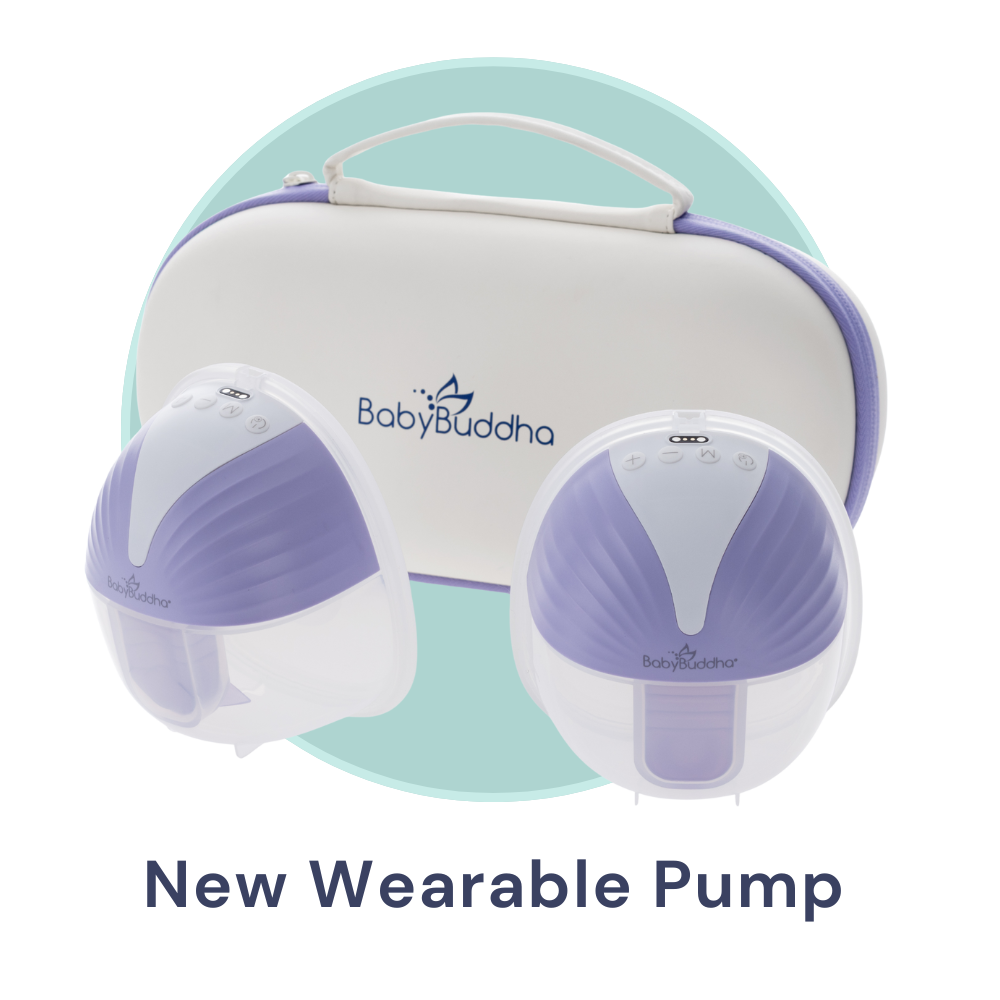
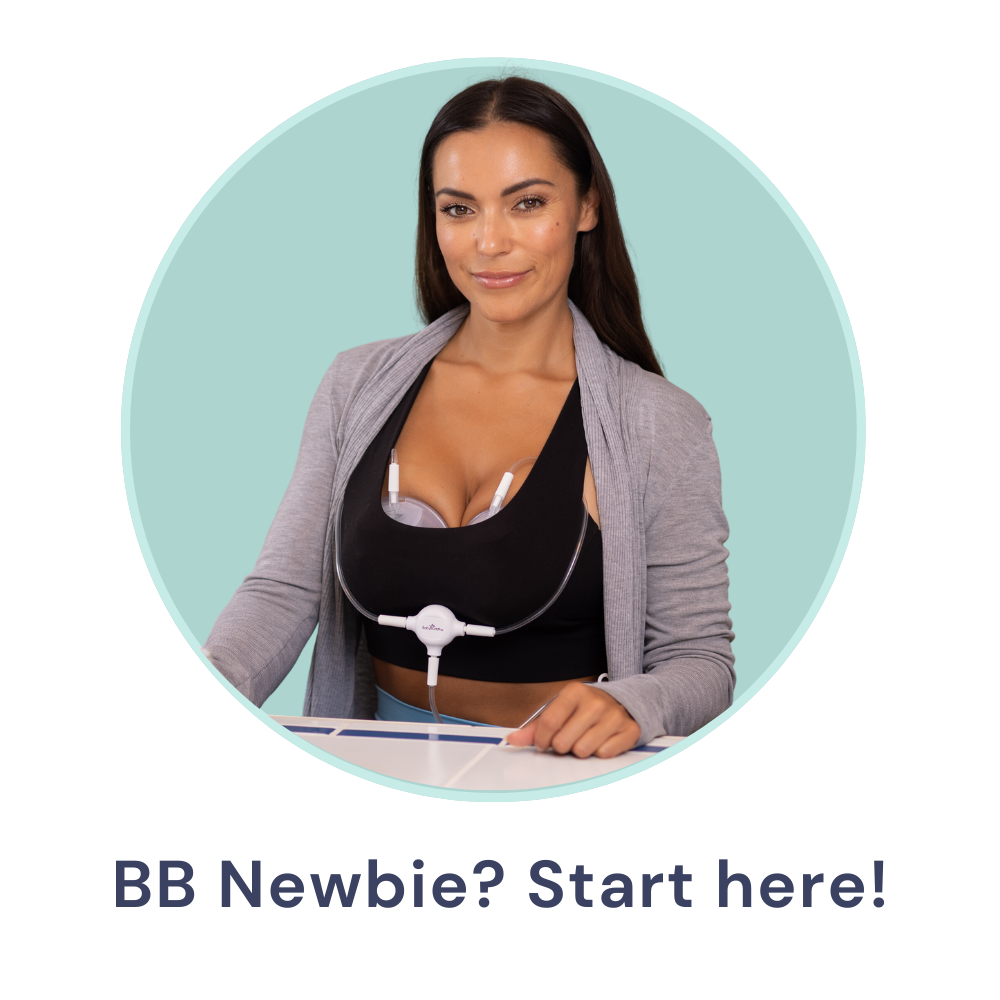
For fully hands-free pumping, BabyBuddha pairs with collection cups that let you pump discreetly inside a nursing bra. You can also use traditional bottles for a more conventional setup. The included travel tote keeps everything organized on the go. Explore the BabyBuddha getting started guide for setup tips and real-world pumping routines.
Spectra S1 Plus: A Rechargeable Workhorse
Spectra S1 Plus weighs about 2.9 pounds and includes a built-in rechargeable battery that lasts up to 3 hours per charge. That battery is the key difference between the S1 Plus and the less expensive Spectra S2 Plus, which requires a wall outlet for every session. The S1 Plus gives you the freedom to pump away from an outlet, though at nearly 3 pounds, it is not something you slip into a pocket.
What you get in exchange for the larger design is a robust motor, a built-in nightlight for late-night pumping sessions, and a backlit LCD screen that makes it easy to adjust settings in the dark. The S1 Plus is best suited for a dedicated pumping station at home or at your desk at work, with the flexibility to move between rooms or locations when needed.
See What Portable Pumping Looks Like. Curious how moms pump on the go? Explore the BabyBuddha getting started guide for setup tips, flange fitting, and real-world pumping routines.

Noise, Comfort, and Daily Experience
Both pumps are quiet by industry standards, but BabyBuddha edges ahead at 42 dB compared to Spectra's 45 dB. For context, 42 dB is roughly the volume of a whispered conversation, quiet enough to pump on a conference call without anyone noticing. At 45 dB, Spectra is still well below the noise level of a normal conversation, but the difference is audible in a silent room.
Flange options also differ. BabyBuddha ships with the EasyFit Kit sized at 22 to 24mm, with additional sizes available from 13mm through 32mm using inserts and separate flange kits. The EasyFit system includes 10 inserts (2 each of 13mm, 15mm, 17mm, 19mm, and 21mm) for precise sizing. Spectra ships with 24mm and 28mm flanges, and replacement flanges are widely available from both the brand and third-party suppliers. BabyBuddha also includes soft massage inserts designed to reduce friction during longer sessions, while Spectra relies on its massage mode cycling pattern for comfort. If you are new to pumping and not sure where to start with sizing, BabyBuddha's flange sizing guide walks you through measuring and selecting the right fit.
Cleaning is faster with BabyBuddha because the design uses fewer parts that contact milk. Spectra has more components to wash after each session, though replacement parts are stocked at most baby retailers.
Price, Insurance, and Value
BabyBuddha 2.0 retails at $204.99 and is available through insurance via Aeroflow, Byram, 1 Natural Way, Edgepark, and direct through the BabyBuddha insurance page. Spectra S1 Plus retails at $225.99 and is one of the most widely covered pumps through insurance networks. Both pumps qualify under the ACA breast pump coverage mandate, which requires most health plans to cover breastfeeding equipment with no cost-sharing. According to HealthCare.gov, your plan must cover the cost of a breast pump, though specific brand availability may vary by carrier and DME supplier.
One value factor worth considering: BabyBuddha's portability means you may not need a second wearable pump for on-the-go sessions. Many moms who buy a larger pump like the Spectra S1 eventually purchase a separate portable or wearable pump for work and travel, doubling their total cost. With BabyBuddha, one pump covers both scenarios.
Head-to-Head Comparison
Here is how the two pumps stack up across the most important categories.
Feature |
BabyBuddha 2.0 |
Spectra S1 Plus |
Suction |
53-320 mmHg |
~50-270 mmHg |
Weight |
6.8 oz |
2.9 lbs |
Noise |
42 dB |
45 dB |
Battery |
USB-C, ~4 sessions |
Built-in, up to 3 hours |
Modes/Levels |
3 modes, 21 levels |
2 modes, 12 levels |
Flange Sizes |
13-32mm range |
24mm, 28mm |
Closed System |
Yes |
Yes |
Price |
$204.99 |
$225.99 |
Insurance |
Yes (ACA) |
Yes (ACA) |
Best For |
On-the-go pumping |
Home/desk pumping |
Which Pump Is Right for You?
Choose BabyBuddha 2.0 If
You pump on the go, at work, while commuting, or during travel and need a pump that goes wherever you do. Maximum suction strength is a priority because you respond well to stronger expression or need to pump quickly during short breaks. You want one pump that works hands-free with collection cups and as a traditional bottle pump, eliminating the need for a separate wearable. You prefer fewer parts to clean after each session and the convenience of USB-C charging.
Choose Spectra S1 Plus If
You primarily pump at home or at a desk and prefer a pump with a proven track record recommended by lactation consultants and backed by years of clinical validation. You want a rechargeable battery that lasts up to 3 hours for longer pumping sessions without needing to plug in. You value a built-in nightlight and backlit LCD screen for late-night pumping sessions. You prefer a pump that has been a go-to recommendation from IBCLCs for years.
Not Sure Yet? Start with the Basics. Whether you choose BabyBuddha or Spectra, the right flange size makes a bigger difference than the pump itself. Use BabyBuddha's flange sizing guide to measure before you order.

6 Things Every Expecting Parent Should Know Before Choosing a Breast Pump
Save these before you shop:
- Suction strength is not everything. Flange fit and cycle pattern matter just as much for milk output. A 320 mmHg pump with the wrong flange will underperform a 270 mmHg pump with the right one.
- Portability determines your daily experience. A pocket-sized pump means you pump anywhere. A larger pump means you build your schedule around a location.
- Battery life matters more than you expect. BabyBuddha gets 4 sessions per rechargeable USB-C charge. Spectra S1 Plus offers up to 3 hours on its built-in rechargeable battery.
- Insurance covers both. Under the ACA, most plans cover a breast pump at no cost. Check your coverage before assuming you need to pay retail.
- One portable pump can replace two. If your portable pump is strong enough, you may not need a separate wearable for on-the-go sessions.
- Noise level is a real factor. If you pump on calls, near a sleeping baby, or in shared spaces, every decibel matters.
Share this with a friend who is building their registry.
Conclusion
Both the BabyBuddha 2.0 and the Spectra S1 Plus are excellent breast pumps backed by strong communities and real results. The choice comes down to your lifestyle. If you need a pump that fits in your pocket, delivers hospital-grade suction on a rechargeable battery, and works hands-free without a separate wearable, BabyBuddha 2.0 is built for you. If you prefer a rechargeable pump with a proven track record, a gentle cycle pattern loved by lactation consultants, and a built-in nightlight for midnight sessions, the Spectra S1 Plus delivers exactly that. Either way, check your insurance first, because most plans cover both pumps at no out-of-pocket cost. BabyBuddha is here to support you from the moment you start pumping, with IBCLC-backed resources, a flange sizing system designed for real bodies, and a pump that grows with your journey.
Ready to Get Your Pump Through Insurance? Most plans cover BabyBuddha at no cost. Check your insurance coverage now and have your pump before the baby arrives.